Morocco tightens rules on electric scooters and passport security
Rabat’s latest regulatory moves aim to modernize mobility and identity verification standards. In a decisive session, the Moroccan government endorsed two pivotal decrees on Thursday, one reinforcing passport security and the other establishing a strict framework for electric scooters on public roads.
Next-gen biometric passports to curb fraud
The first decree, introduced by Interior Minister Abdelouafi Laftit, updates the 2008 biometric passport regulation. The revised legislation introduces a new generation of passports equipped with advanced anti-fraud technologies, designed to shield the document from falsification while accentuating Morocco’s national identity.
The government spokesperson, Mustapha Baitas, highlighted that the updated passport will integrate state-of-the-art security features, making it nearly impossible to replicate. An upcoming joint ministerial order will outline the issuance process, while existing biometric passports will remain valid until phased out.
Electric scooters face stricter urban mobility rules
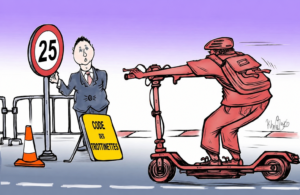
The second decree reshapes traffic regulations to include electric scooters, a rapidly growing urban mobility solution. Authorities have capped their speed at 25 km/h, mandated the use of certified helmets, and banned headphones or audio devices during rides to enhance road awareness.
Additionally, children under eight are prohibited from operating these vehicles on public roads, and specific provisions have been made for transporting young children safely. These measures reflect Morocco’s commitment to balancing innovation with public safety in its bustling cities.
Urban mobility reform aligns with evolving transport trends
Government officials emphasize that these reforms address the surge in alternative transport methods across Moroccan urban centers. By providing a clear legal framework, the new rules aim to mitigate risky behaviors while fostering sustainable and orderly growth in personal mobility solutions.
As cities adapt to changing commuting habits, Morocco positions itself at the forefront of regulatory innovation, ensuring that progress in mobility does not compromise safety or public order.