Malians face new us visa hurdles as processing moves to Dakar
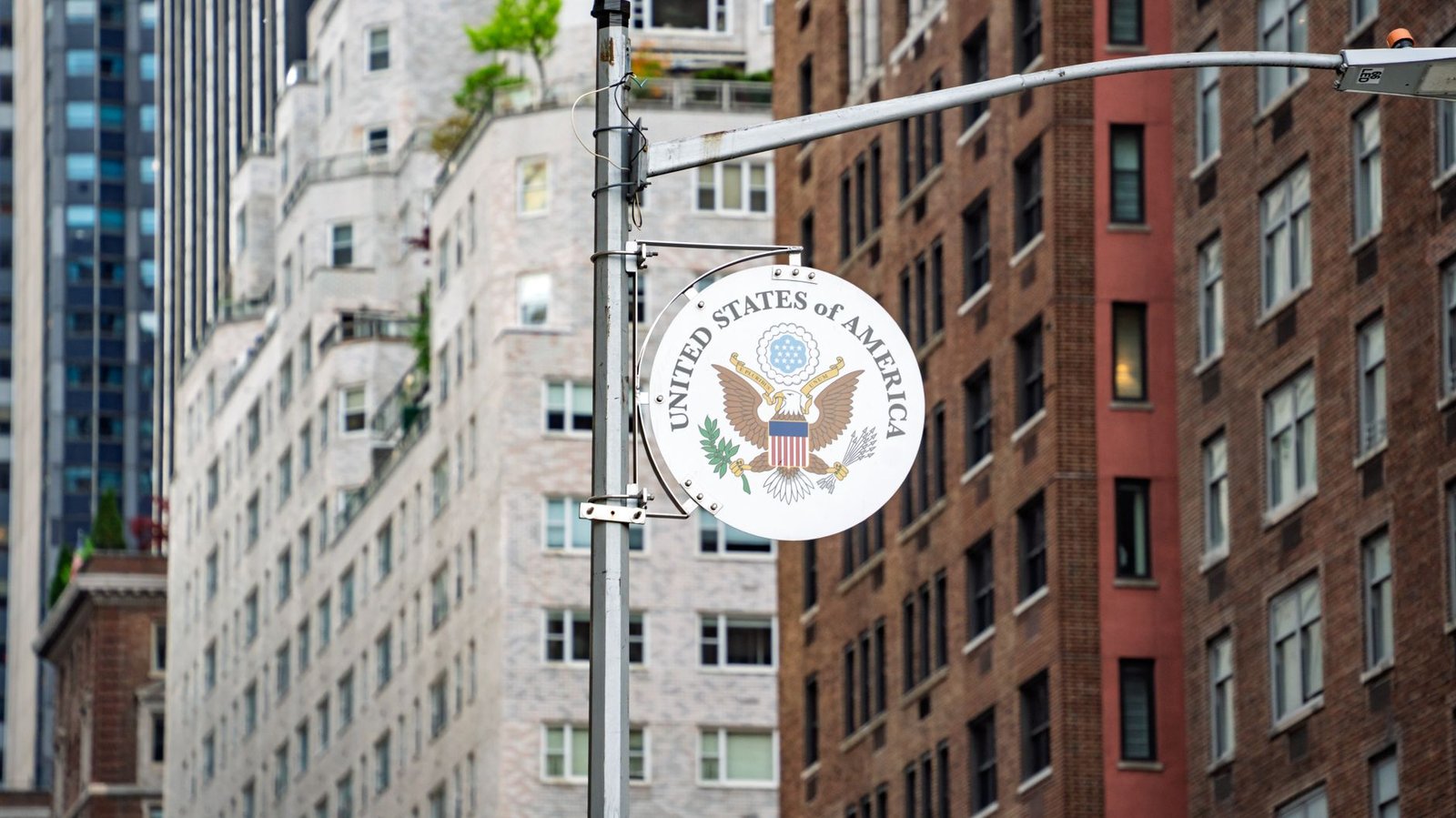
Securing a United States visa from Bamako has become a logistical challenge for Malian applicants. American consular authorities have redirected all visa procedures for Malians to Dakar, Senegal, making the Senegalese capital the mandatory transit point for those seeking entry into the US. This shift follows months of strained diplomatic relations between Washington and Mali’s ruling military junta, altering consular flows across West Africa.
Regional repercussions of consular relocation
The new policy requires Malian applicants to travel to Dakar for biometric enrollment and visa interviews. The US consulate in Dakar is now handling a higher volume of cases from Mali, part of a broader downsizing of American diplomatic presence in the Sahel. Similar reductions have been observed in other West African posts following the political transitions in Mali, Burkina Faso, and Niger.
For applicants, the financial burden is substantial. Travel expenses to Dakar, accommodation during processing, and consular fees add up quickly. This economic barrier disproportionately affects students, researchers, and business professionals, limiting access to American opportunities to wealthier or well-connected individuals. The shift risks deepening social inequality in mobility toward the United States.
Dakar emerges as diplomatic hub
The decision to route Malian visas through Dakar is strategic. Senegal remains one of the few West African countries where the US maintains a robust diplomatic footprint, with operational consular services and reliable security infrastructure. As a long-standing US partner and recipient of development aid, Senegal’s role as a regional hub is reinforced. Dakar already hosts multiple consulates handling cross-border missions for European and Asian countries.
This centralization underscores Senegal’s position as a Western anchor in a changing West Africa. It coincides with the Sahel States Alliance—comprising Mali, Burkina Faso, and Niger—strengthening ties with Moscow while distancing itself from traditional partnerships. The diplomatic divide now extends to the administrative pathways available to ordinary citizens.
Political tensions reshape mobility pathways
American authorities cite security and service quality as reasons for the transfer. Following political instability in Bamako, several Western embassies have scaled back operations or relocated staff. Visa processing is often among the first functions outsourced when diplomatic or security conditions deteriorate. This approach has become common in other African regions and is now standard practice in the Sahel.
The decision complicates family reunification for Malians in the US, where remittances from the diaspora contribute significantly to the national economy. A decline in mobility could weaken these financial flows. Business sectors, including trade and digital services, also face disruptions due to reduced movement of skilled professionals.
In the coming months, the effectiveness of Dakar’s consular section in managing the increased caseload will be closely watched. For Malians, the US visa process has become an unmistakable indicator of the ongoing geopolitical realignment in the Sahel. The new system is already in effect across all affected visa categories.