Mali security crisis: assassination plot against colonel-goïta exposed
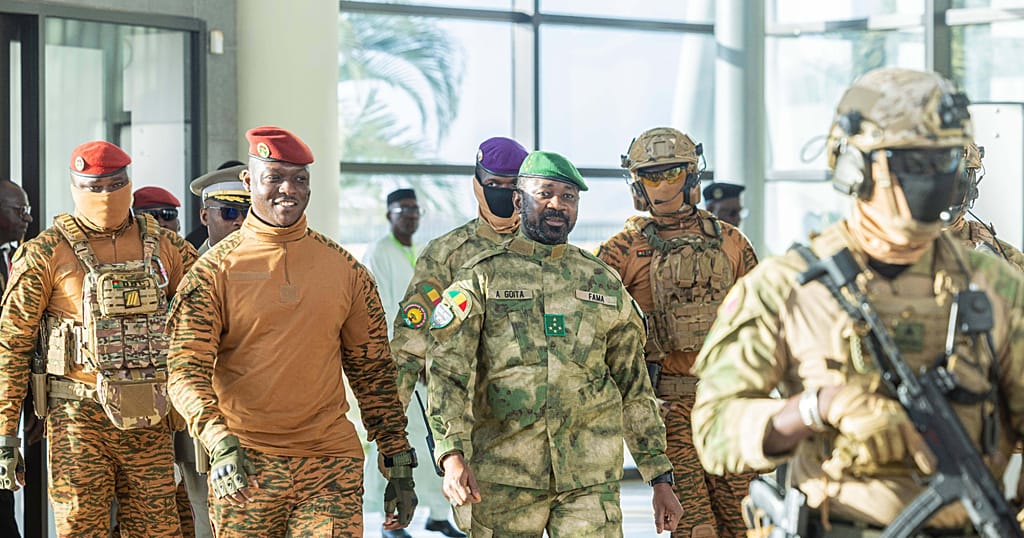
Mali faces fresh turmoil as military reveals brazen attack plan against transitional leaders
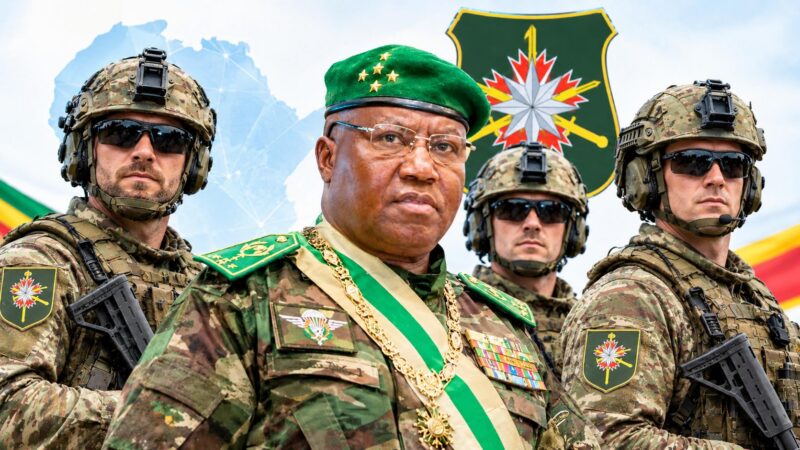
Bamako remains under heightened military surveillance following the violent incidents of April 25, which claimed the life of General Sadio Camara, the nation’s second-highest-ranking military figure. Defense officials now allege a meticulously planned assassination scheme targeting Colonel Assimi Goïta and other key figures in the transitional government.
Vehicle-borne explosives: the alleged weapon of choice
According to military spokespersons, multiple vehicle-borne explosive devices were deployed during the operation. The commander overseeing public relations for the Malian Armed Forces, Djibrila Maiga, emphasized that one of the vehicles was specifically aimed at the presidential residence. This carefully coordinated attempt sought to eliminate our national leadership, Maiga stated during a press briefing held in the capital.
Burkina Faso joins regional response by banning international broadcaster
The sudden decision by Burkina Faso to halt broadcasts by TV5monde has sent ripples through regional media circles. The country’s media regulator, the Superior Council of Communication, accused the French-language channel of propagating terrorist propaganda and undermining Mali’s sovereign institutions. Within Burkina Faso’s capital, Ouagadougou, public opinion is divided. Some residents defend the ban, arguing that broadcasters must not become platforms for radical ideologies. Allowing channels that glorify terrorism to air in Burkina Faso would be irresponsible, noted local resident Flore Guigma. Others criticize what they perceive as a pattern of biased reporting targeting Sahel nations. These outlets treat us with arrogance, and we’ve stopped watching them, said Serge Théophile Bancé, a Ouagadougou resident.
Press freedom advocates raise alarm over growing media restrictions
International press freedom organizations have voiced concern over the escalating clampdown on foreign media outlets in the region. Reports indicate that since Captain Ibrahim Traoré assumed leadership in Burkina Faso, several prominent international news organizations—including Le Monde, LCI, France 24, RFI, BBC News, and Voice of America—have faced suspension. Reporters Without Borders condemned the move, calling it an opaque decision that further shrinks the country’s already limited media landscape.
The unfolding events underscore the fragile balance between security imperatives and the preservation of open discourse in the Sahel, where transitional governments navigate complex threats while grappling with shifting public trust.