In Kigali, Wadagni turns a page: Benin-Rwanda ties cross into a new era
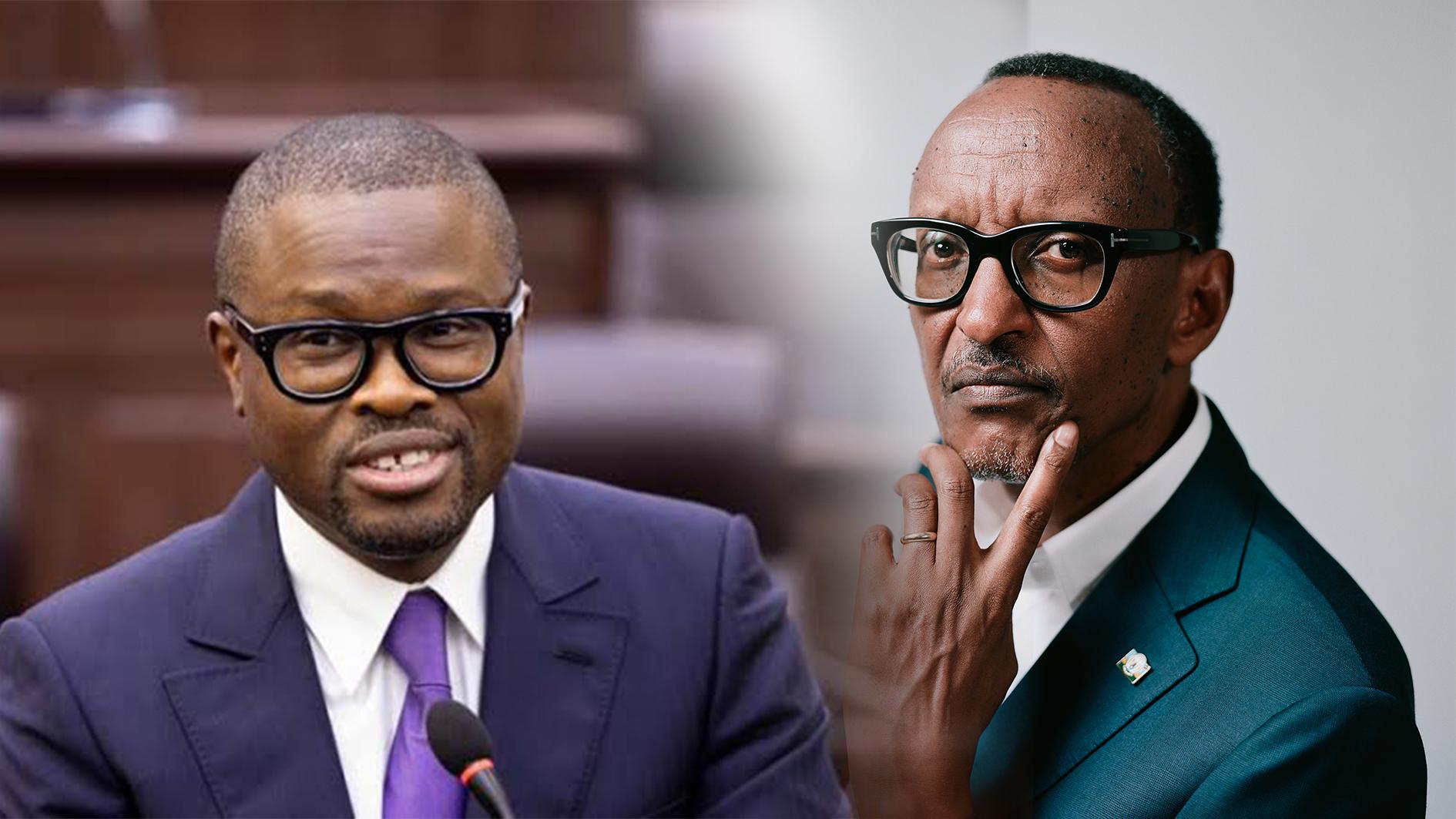
Benin’s head of state, Romuald Wadagni, has just completed a 48-hour working visit to Kigali, his first official trip to Rwanda since taking office in May. What began as a scheduled bilateral meeting with President Paul Kagame has turned into something bigger: the moment the Cotonou-Kigali relationship shifted from a well-regarded partnership into a genuine strategic momentum, with both capitals signalling that the next phase is about delivery rather than declarations.
Forty-eight hours in Kigali, one unmistakable signal
Received with full honours at the Village Urugwiro presidential palace, the Benin leader first held a private one-on-one conversation with his Rwandan counterpart before the talks widened to include the two countries’ ministerial delegations. The sequencing mattered: personal trust first, then the technical work of turning shared intentions into joint programmes.
For Benin, the visit was also an opportunity to demonstrate that its foreign policy is anchored in durable, continent-facing alliances rather than short-lived diplomatic gestures. Kigali, for its part, treated the trip as a working session between two administrations that already speak a similar language on reform and investment.
Security and public governance top the agenda
The expanded working session concentrated on two pillars that have come to define the relationship: stronger security cooperation and a modernised approach to running the state.
- Consolidating regional stability through closer operational coordination
- Extending the exchange of intelligence between the two services
- Continuing mutual technical and logistical support
- Reinforcing the protection of border areas
Intelligence sharing and border protection
Both delegations restated their commitment to the security arrangement that already binds Cotonou and Kigali, describing continued technical and logistical assistance as essential to keeping frontier zones under control. The emphasis was on practical cooperation rather than new architecture: keeping channels open, information flowing and joint capacity growing.
What Cotonou wants to learn from Kigali
On the economic and administrative side, the Benin delegation took a close interest in Rwanda’s track record in attracting foreign direct investment and in digitising public services. Drawing on his own financial and economic background, Romuald Wadagni made the case for pragmatic synergies between the two capitals, arguing that closer commercial links would give intra-African trade the volume and predictability it still lacks. The message was consistent with the wider pivot Benin is pursuing: fewer barriers, more digital tools, and a private sector treated as a partner in growth.
Gisozi: remembrance as a pillar of the relationship
Following the tradition observed by visiting heads of state in Kigali, the Benin president travelled to the Gisozi Genocide Memorial, where he laid a wreath in tribute to the victims of 1994. He paid respect to the resilience of the Rwandan people and to their ability to rebuild a united and prosperous nation from the depths of tragedy, a gesture that carries weight in a bilateral relationship built as much on shared memory as on shared interests.
Continuity becomes strategy for the Cotonou-Kigali corridor
The visit closes with a clear conclusion: the Cotonou-Kigali relationship remains a central pillar of Benin’s foreign policy, organised around three priorities, economic development, technological innovation and collective security. After this Kigali stop, the question is no longer whether the partnership holds, but how fast it can be converted into contracts, digital systems and safer borders for both nations.