Congo-Kinshasa political coalition reaffirms demands ahead of dialogue

Following a high-level meeting with Burundian President Évariste Ndayishimiye, the Article 64 Coalition for the Defense of Constitutional Order (C64) concluded its visit to Bujumbura on July 9, 2026.
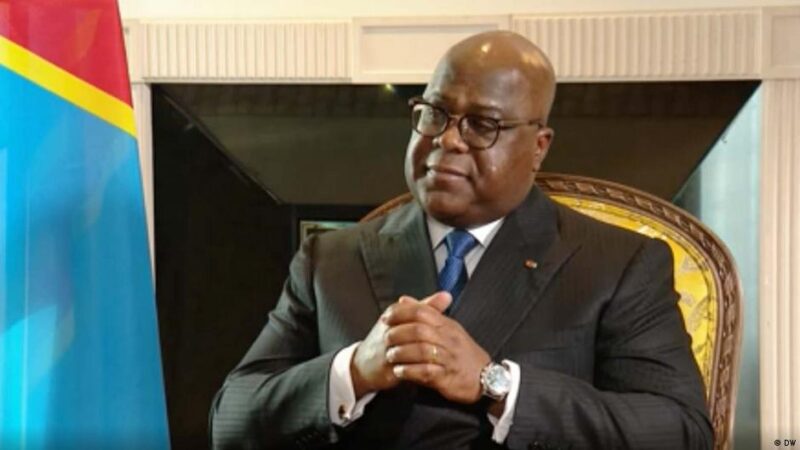
The delegation, led by Martin Fayulu, faced scrutiny over allegations of compromise with President Félix Tshisekedi’s administration. In a swift response, coalition leaders clarified they had not initiated the meeting—it was arranged at the behest of Ndayishimiye, who holds the rotating presidency of the African Union. While welcoming the call for political dialogue and national unity, C64 members emphasized strict conditions for any substantive engagement.
Core demands for credible dialogue
For a meaningful negotiation to unfold, the coalition insists on:
- A public and irreversible abandonment of the constitutional amendment project currently under discussion.
- The immediate release of all political detainees across the country.
- An end to politically motivated prosecutions and judicial harassment.
- The full restoration of civic freedoms, including press freedom and assembly rights.
These prerequisites, they argue, stem from the failure of past peace efforts to address root political causes—a flaw that has perpetuated instability in the Democratic Republic of the Congo.
Uncompromising constitutional principles
The coalition’s stance is anchored in three unshakable pillars: adherence to the Constitution, upholding the rule of law, and recognizing the sovereignty of the Congolese people. They contend that President Tshisekedi’s push for constitutional reform—particularly during ongoing conflict and territorial occupation—undermines these foundations.
In a show of defiance, C64 leaders announced plans to reinforce their demands on July 22 during a peaceful march to the Palais de la Nation, the seat of government. Their ultimate goal: the resignation of President Tshisekedi, whom they accuse of violating his constitutional oath by pursuing reforms deemed incompatible with democratic norms.