Chad’s burgeoning plastic waste: a call for a sustainable recycling economy
Chad’s burgeoning plastic waste: a call for a sustainable recycling economy
Chad generates an estimated 20,000 tons of plastic waste each year, yet its recycling infrastructure remains in its infancy. Key hurdles such as insufficient facilities, limited public awareness, and a lack of support impede the growth of a sector brimming with economic and environmental potential.
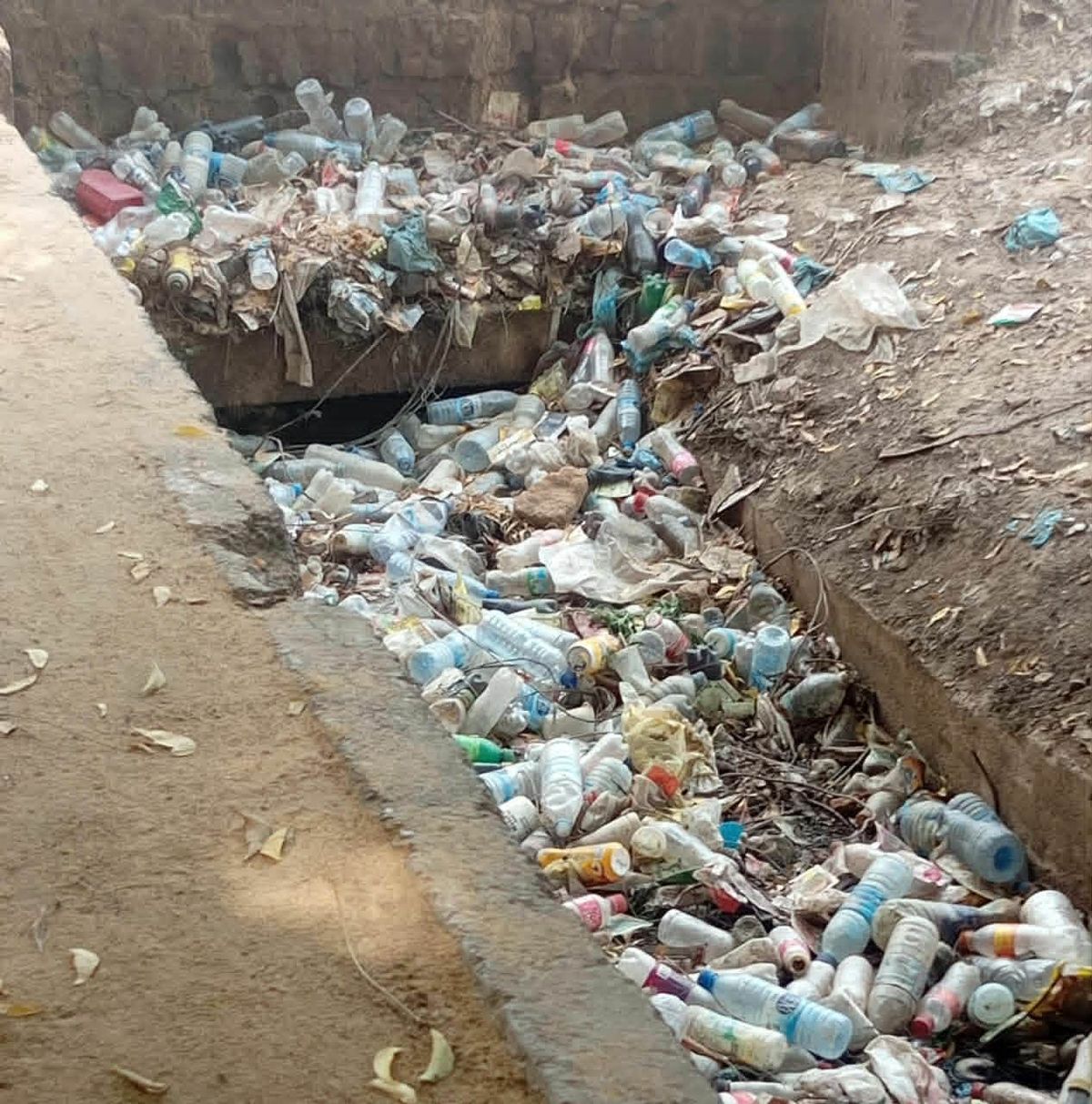
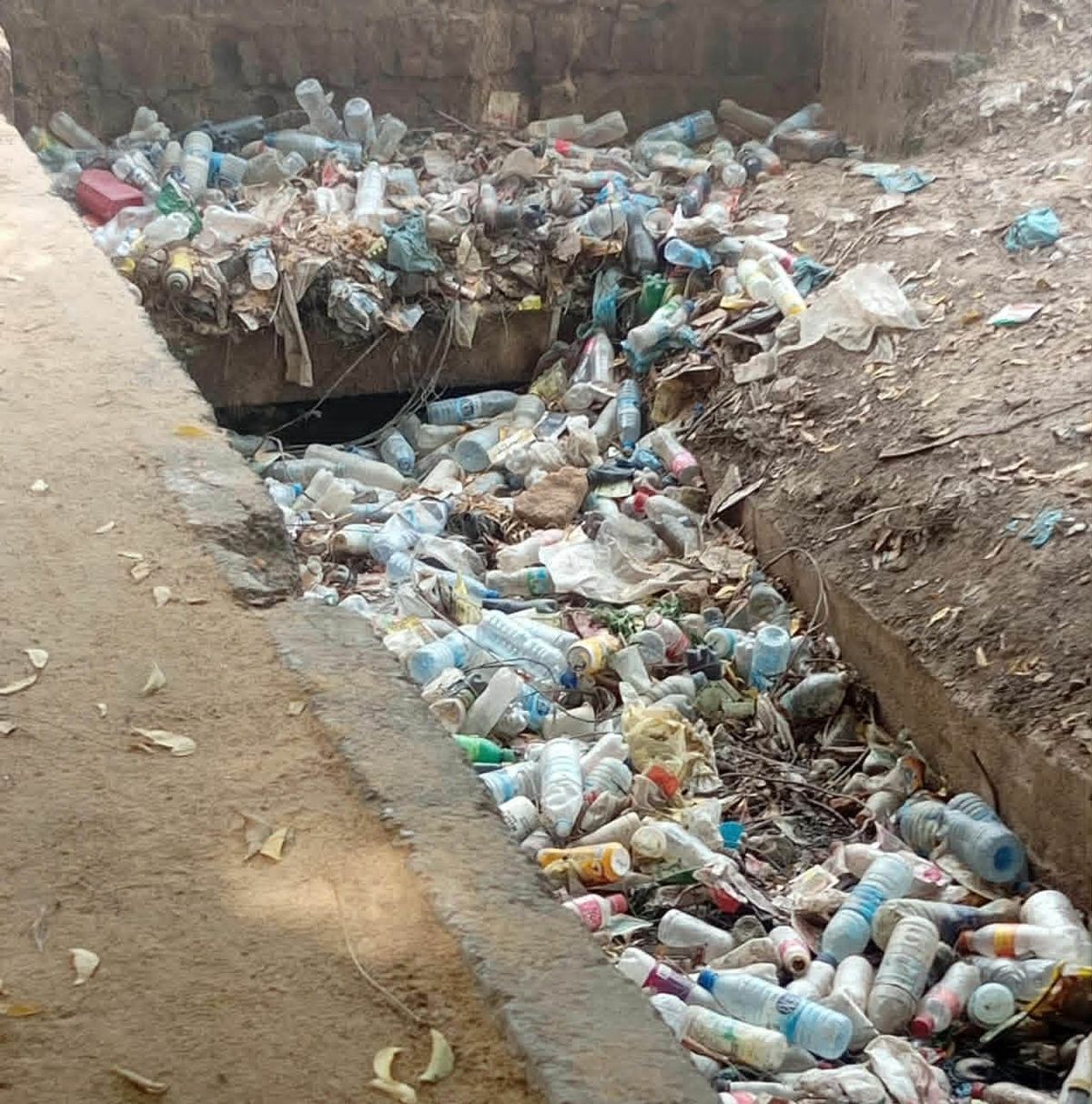
Every day, the streets, drains, and vacant lots of N’Djamena are inundated with thousands of discarded plastic bags, bottles, and various packaging materials. While plastic undeniably simplifies daily life for consumers, it has simultaneously emerged as one of the most pressing environmental challenges confronting the Chadian capital. Current estimates suggest that N’Djamena alone generates nearly 20,000 tons of plastic waste annually, with each individual consuming an average of four to five plastic packaging items daily.
Despite this substantial output, only a minuscule fraction of these discarded materials is ever collected, and an even smaller portion undergoes recycling. This stark reality prompts a critical question: why is plastic recycling struggling to gain traction in Chad? The primary impediment lies in the absence of an efficient selective waste collection system. Across most neighborhoods in the capital, household waste is indiscriminately mixed. Plastics, organic refuse, metals, and glass all end up in the same dumping grounds or are simply abandoned in public spaces.
Obstacles to effective plastic recycling in Chad
The lack of source separation significantly complicates any efforts at recovery and valorization. Compounding this issue is a severe shortage of specialized infrastructure. Chad possesses very few facilities capable of processing plastic waste into reusable raw materials. The limited existing initiatives are driven by private entrepreneurs or associations, which frequently face deficits in funding, modern equipment, and viable commercial outlets. Without a robust industrial framework dedicated to recycling, the majority of waste is relegated to informal dumpsites or incinerated in the open air, releasing toxic fumes that pose serious health risks.
The informal sector currently plays a pivotal role in plastic recovery. Hundreds of young people and women derive their livelihoods from collecting bottles and certain types of sellable packaging. Their efforts contribute to mitigating some of the pollution, but their work is largely unregulated, devoid of social protection, and often conducted under precarious conditions. Despite their crucial utility, these informal actors remain poorly integrated into public waste management policies. The absence of a genuine circular economy also represents a major barrier.
In numerous African nations, plastic waste has been transformed into a valuable economic resource, utilized for manufacturing paving stones, furniture, pipes, artisanal products, and construction materials. In Chad, this sector remains rudimentary, hindered by a lack of investment, technical support, and fiscal incentives for businesses aspiring to enter the recycling industry.
The environmental and economic imperative
Public awareness campaigns are also insufficient. Many citizens remain uninformed about the severe environmental consequences of plastic waste. During the rainy season, plastic bags clog drainage systems, exacerbating the floods that frequently devastate several neighborhoods in N’Djamena. Other plastics are carried by the wind into waterways, where they threaten delicate ecosystems and wildlife. Abandoned plastics can take hundreds of years to degrade, leaving a lasting and detrimental imprint on the environment.
In response to this pressing situation, authorities have intensified cleanliness campaigns and appeals for civic responsibility. However, these initiatives typically yield limited results unless they are accompanied by an ambitious national strategy. An effective policy should encompass waste sorting, enhance the capabilities of local authorities, support recycling enterprises, foster innovation, and encourage producers to reduce single-use packaging.
Technical and financial partners could also play a decisive role by assisting in the development of a robust recycling industry. Beyond environmental protection, this sector presents substantial economic opportunities. It could generate thousands of jobs for young people, stimulate local entrepreneurship, and create new revenue streams, all while improving the overall living environment for the population.
The challenge is immense but not insurmountable. Transforming plastic waste into valuable resources demands political will, sustained investment, and a fundamental shift in behavior. For Chad, recycling is no longer solely an environmental concern; it has become a critical issue for public health, economic development, and urban resilience. Until waste is perceived not merely as a problem, but as a potential resource, the plastic recycling sector will struggle to truly flourish.