Algerian gunship strike on Niger border kills 48 gold miners as Niamey stays silent
A deadly dawn over the Sahara
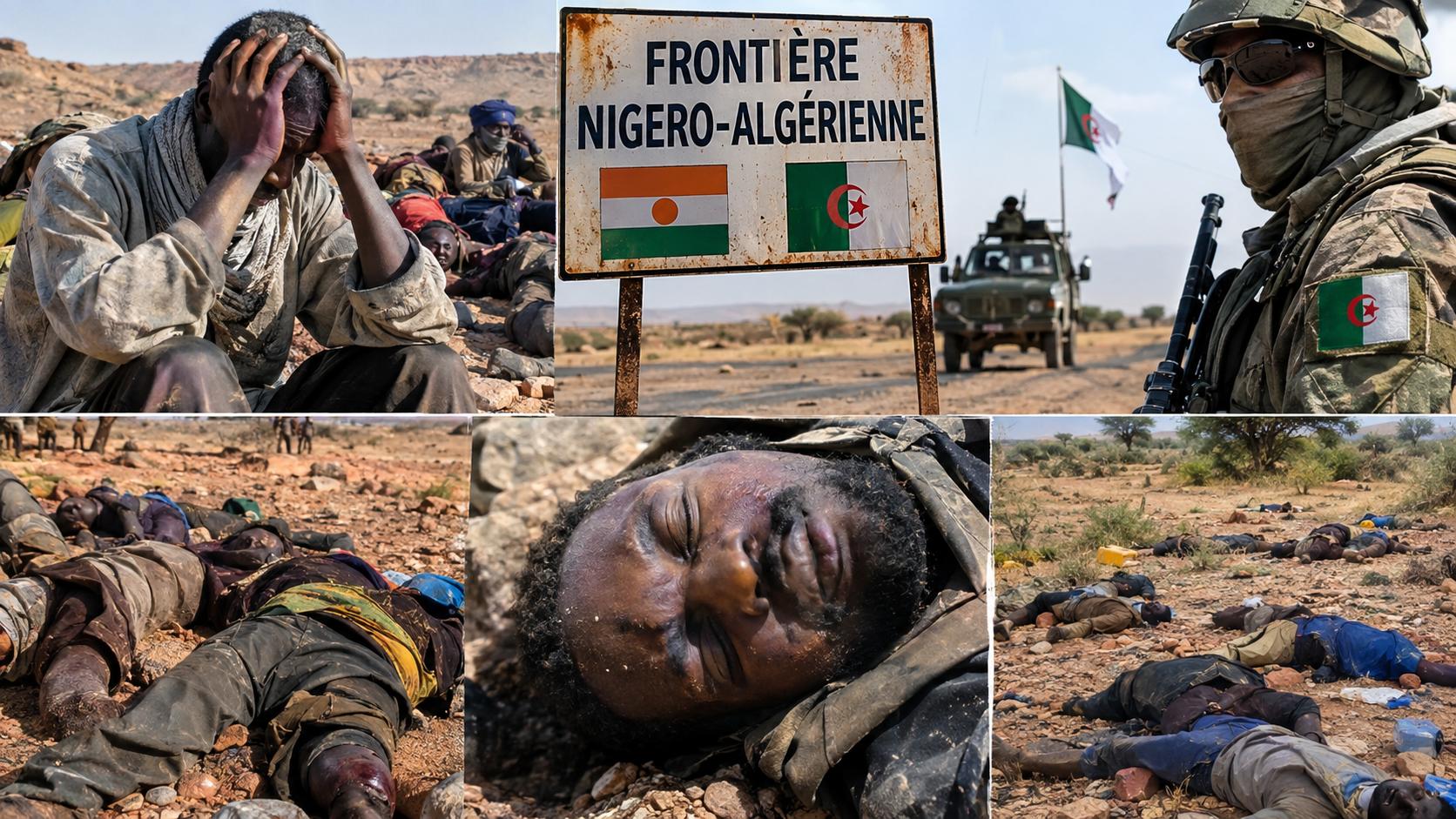
Forty-eight civilians lost their lives when an Algerian military helicopter opened fire on an informal gold mining camp straddling the Niger–Algeria frontier. The victims were unarmed diggers who had travelled from Niger and neighbouring countries to scratch a living from these remote desert deposits. The scale of the bloodshed has left communities in shock and raised hard questions about who actually controls this stretch of the Sahara.
How the attack unfolded
Witnesses describe a Russian-built Mi-171 gunship circling at low altitude in broad daylight before raining fire on makeshift shelters and parked vehicles. Trapped in open desert terrain with nowhere to take cover, the miners had no means of escape. Beyond the confirmed dead, several severely wounded survivors were evacuated in precarious conditions toward the nearest medical facilities.
A pattern of cross-border air patrols
Algiers routinely frames its aerial operations along the southern rim as counter-terrorism and anti-smuggling work. This time, however, the targets were informal labourers, not armed fighters — a distinction that has fuelled outrage across the border region.
Sovereignty on the line: Niamey’s awkward quiet
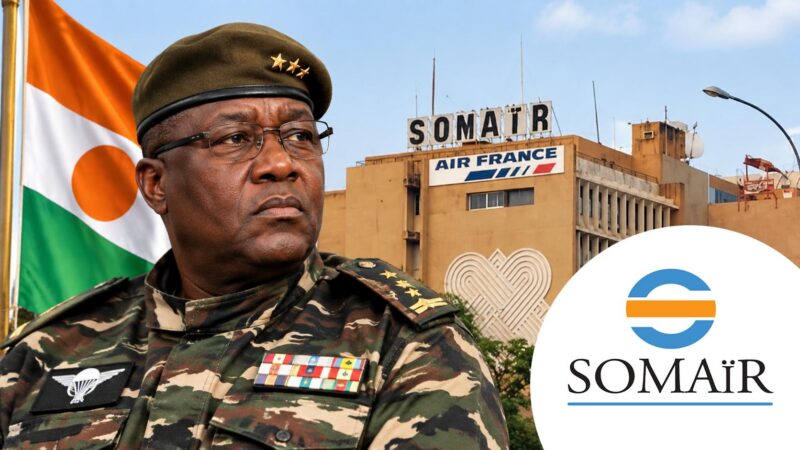
When a foreign power strikes near or inside your territory, the textbook response is a diplomatic protest, an emergency summons, a public outcry. Instead, General Abdourahamane Tiani’s military government has offered nothing but a stony silence.
Regional analysts read that silence as tacit consent. After tearing up its traditional alliances in search of new backing, the junta appears willing to trade territorial integrity — and the lives of its own citizens — for political survival. Algeria, determined to lock down its southern periphery at any cost, has stepped into the vacuum.
An army bleeding from within
The strike lands at a moment of acute internal strain for the Nigerien armed forces. The failed coup attempt on the night of 28–29 August exposed deep rifts in the command structure and among the ranks.
Since then, an unprecedented wave of desertions has swept the military. Officers and soldiers alike, disillusioned with the junta’s political direction, worn down by deteriorating security and unwilling to be complicit in abuses or internal score-settling, are walking away from their posts. The result is a security apparatus too hollowed out to patrol a vast national territory, leaving room for neighbouring armies and non-state armed groups to operate at will.
Public anger finds its voice
Across Niger, bewilderment is hardening into fury. Families of the victims and civil society organisations are demanding answers. How can a government that has made ‘national sovereignty’ its central slogan allow a foreign military to kill its civilians without so much as a formal complaint?
By turning a blind eye to Algerian operations and struggling to hold its own troops together, the Niamey junta is exposing its limits. This desert tragedy marks a grim turning point: a weakened state where the pursuit of gold has become lethal and sovereignty looks increasingly like a slogan rather than a reality.