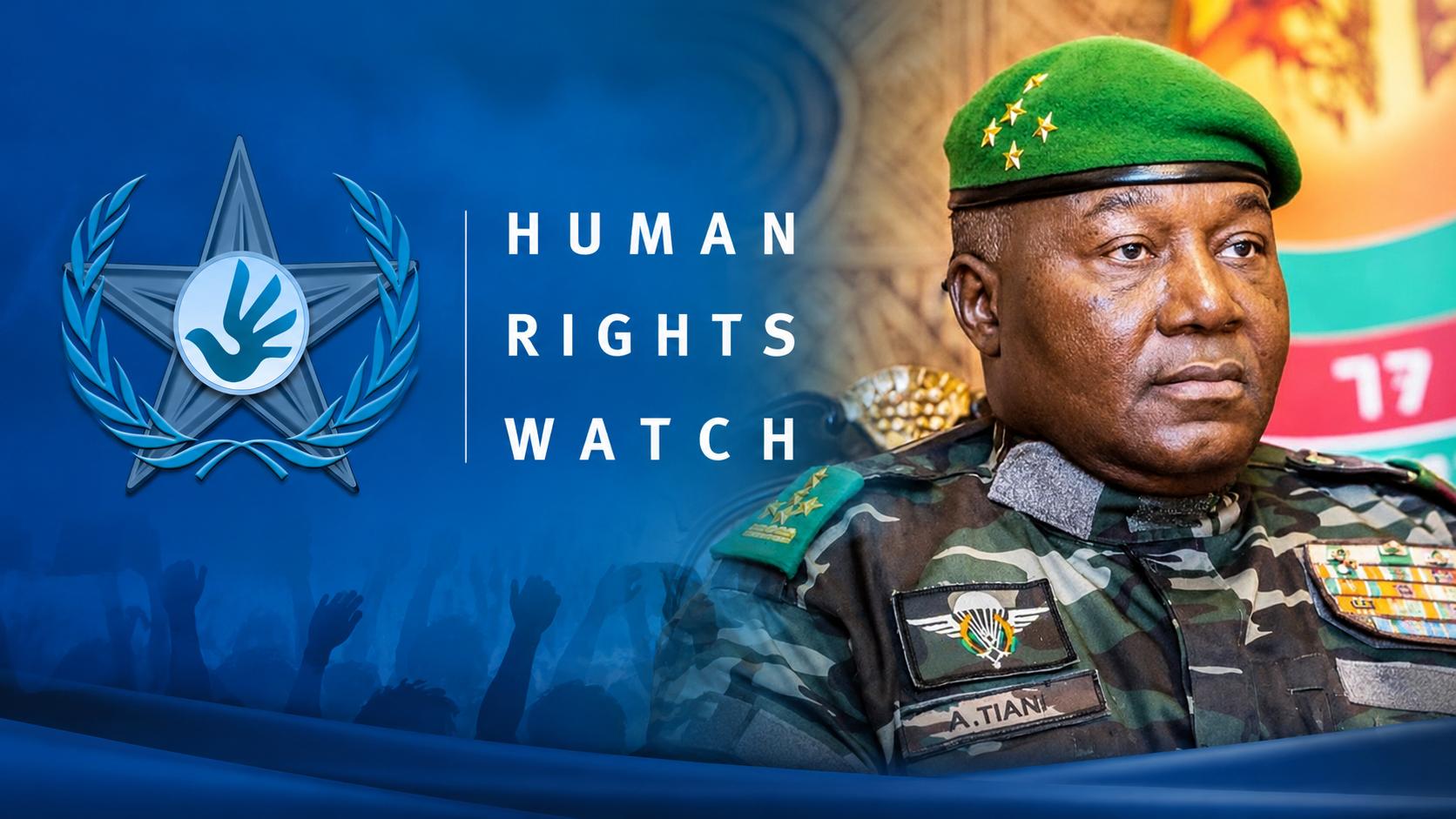
Three years after General Abdourahamane Tiani seized power in Niger, a scathing report highlights the stark deterioration of human rights in the country. Once a bastion of democratic progress, Niger now faces a deepening institutional crisis marked by arbitrary detentions, political repression, and diplomatic isolation.
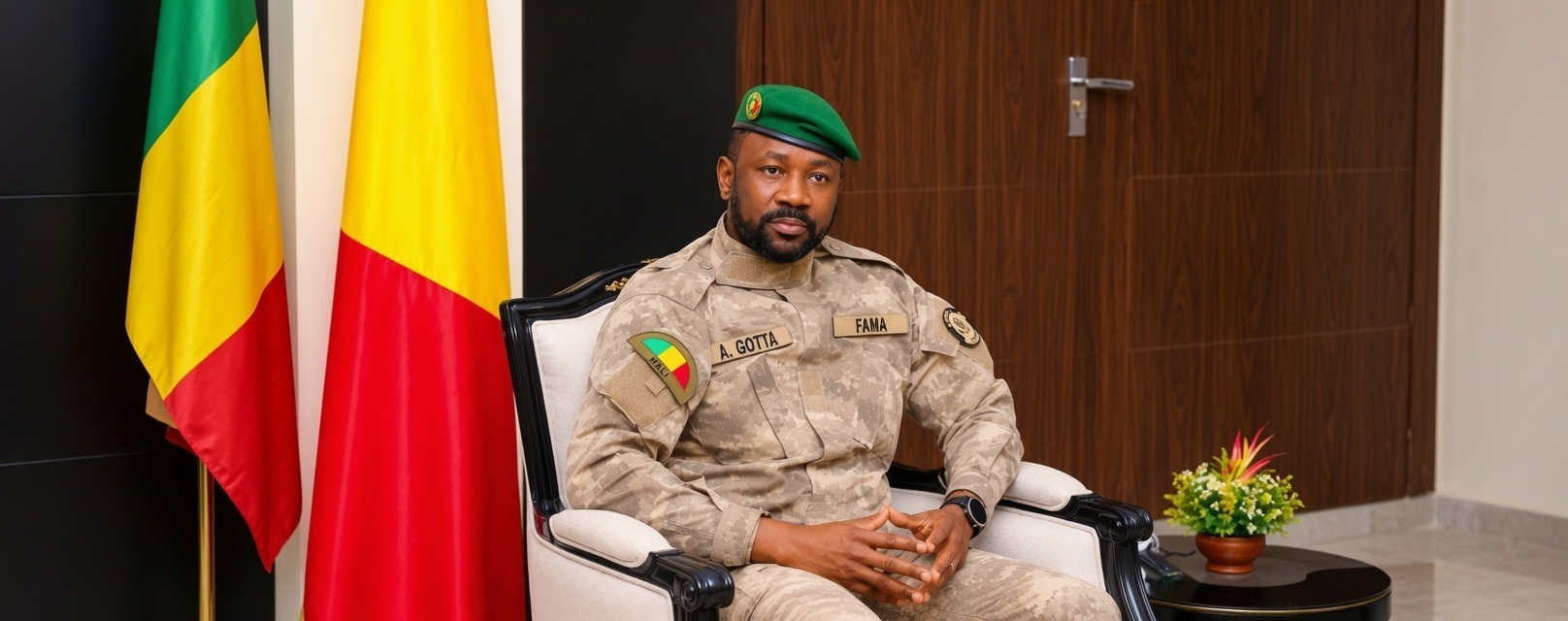
On July 26, 2023, President Mohamed Bazoum was ousted by a military junta led by General Tiani. Since then, the transition has taken a troubling turn, with the National Council for the Safeguard of the Homeland (CNSP) systematically dismantling democratic foundations to consolidate authoritarian rule. Under the guise of security imperatives and national sovereignty, the military regime has progressively clamped down on civic freedoms, shut down legal recourse, and silenced dissent.
weaponized justice and imprisoned dissenters
The fate of former President Mohamed Bazoum and his wife, held in arbitrary detention, stands as a stark symbol of this political impasse. Despite repeated calls from international bodies and a United Nations working group demanding their immediate release, the military leadership remains unresponsive. Their prolonged detention without due process underscores the erosion of judicial independence.
The crackdown extends to civil society. In December 2024, Moussa Tiangari, a respected human rights advocate, was arrested—a move that drew widespread condemnation. His detention, initially within legal limits for terrorism cases (12 months), was prolonged after authorities controversially extended the provisional detention period to four years. Critics argue this change was applied retroactively to justify his continued incarceration.
media suppression and diaspora repression
Public freedoms have suffered severe setbacks under the current regime:
- Political and labor crackdowns: All political parties have been dissolved, while independent unions and NGOs face suspension.
- Media censorship: Revised cybercrime laws empower authorities to target dissenting voices. In October, six journalists in Niamey were arrested for merely circulating a press conference invitation.
- Exile targeting: The junta has intensified pressure on opponents abroad, including stripping citizenships. Recently, opposition leader Mariama Djibrine was stripped of her Nigerien nationality.
societal regression and international isolation
The regime has further entrenched its authoritarian path by amending the penal code in March to criminalize same-sex relations, imposing sentences of 5 to 20 years. This draconian measure has already led to arrests and disrupted critical public health initiatives, including HIV prevention programs.
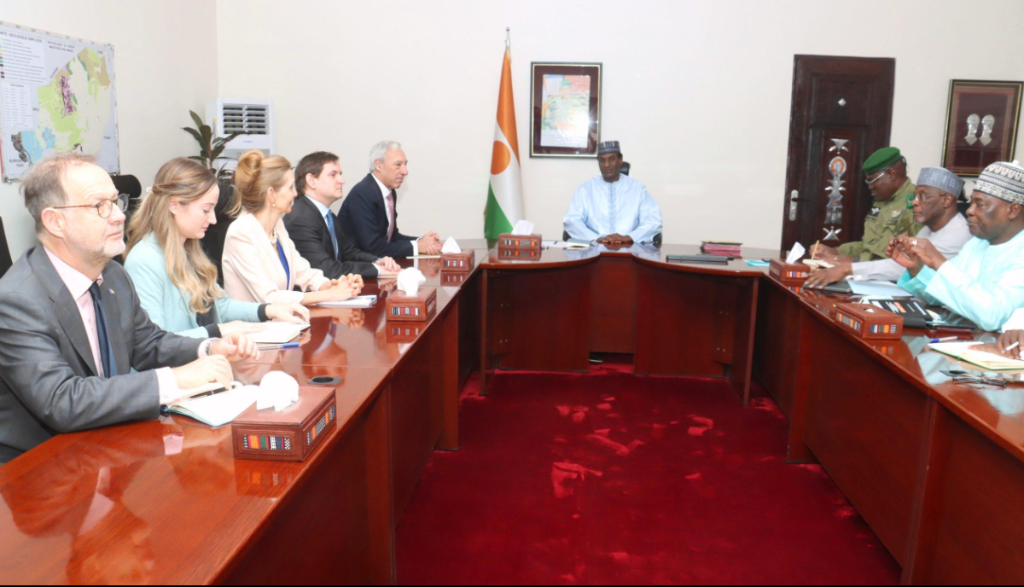
On the diplomatic front, Niger has deepened its isolation by withdrawing from the Economic Community of West African States (ECOWAS) and, in June, from the International Criminal Court (ICC). Analysts warn that these actions leave citizens without legal recourse against abuses, particularly as insecurity persists in regions like Tillabéri, where civilian casualties continue to rise during military operations.
With these developments, human rights organizations urge the international community to abandon pragmatic complacency and demand the release of political prisoners, alongside a clear pathway toward civilian governance.