The bullock incident: reigniting Senegal-gambia border demarcation efforts
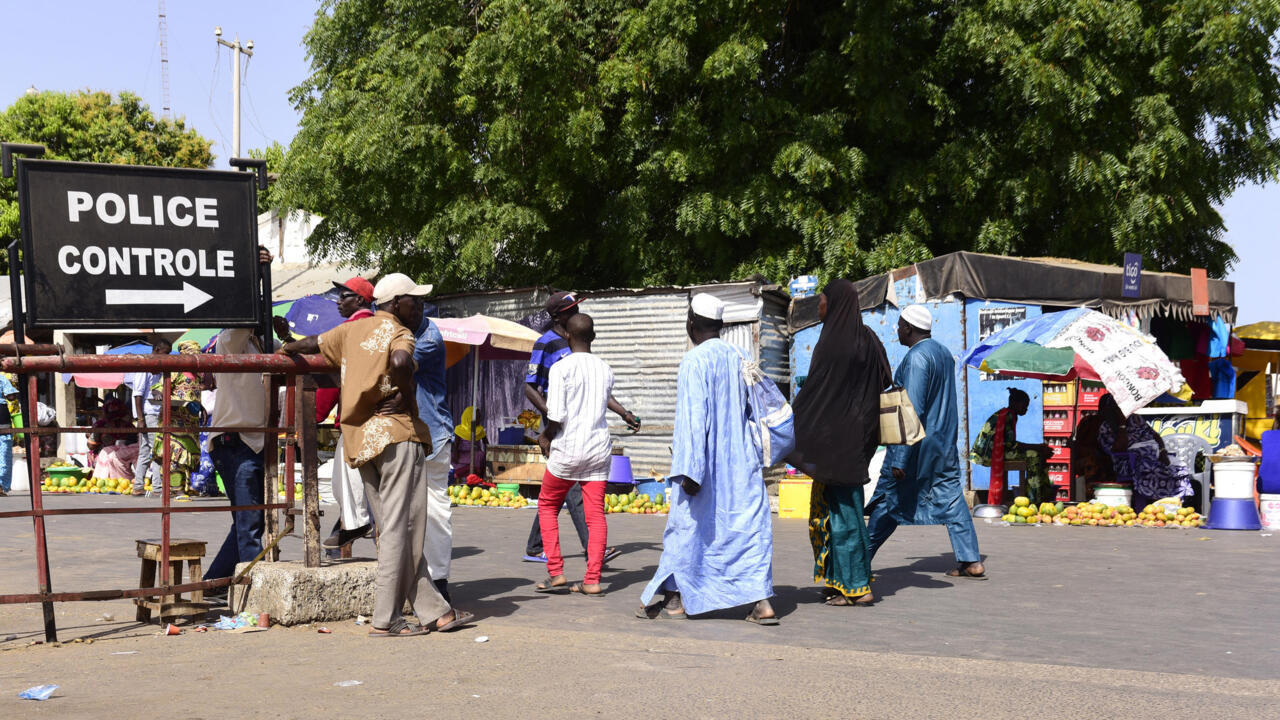
Following a recent incident in Bullock, Senegal and Gambia have announced the finalization of a definitive agreement aimed at precisely clarifying their shared border. Both West African nations are preparing to relaunch joint operations for border demarcation and physical materialization on the ground, scheduled to commence in mid-August. This initiative will involve the installation of physical boundary markers and an extensive awareness campaign targeting communities residing along the frontier.
This renewed focus on border clarification raises crucial questions: What were the underlying causes of past tensions between these two nations? Will this comprehensive agreement lead to a definitive resolution of long-standing disputes, or do potential points of friction still persist on the ground?
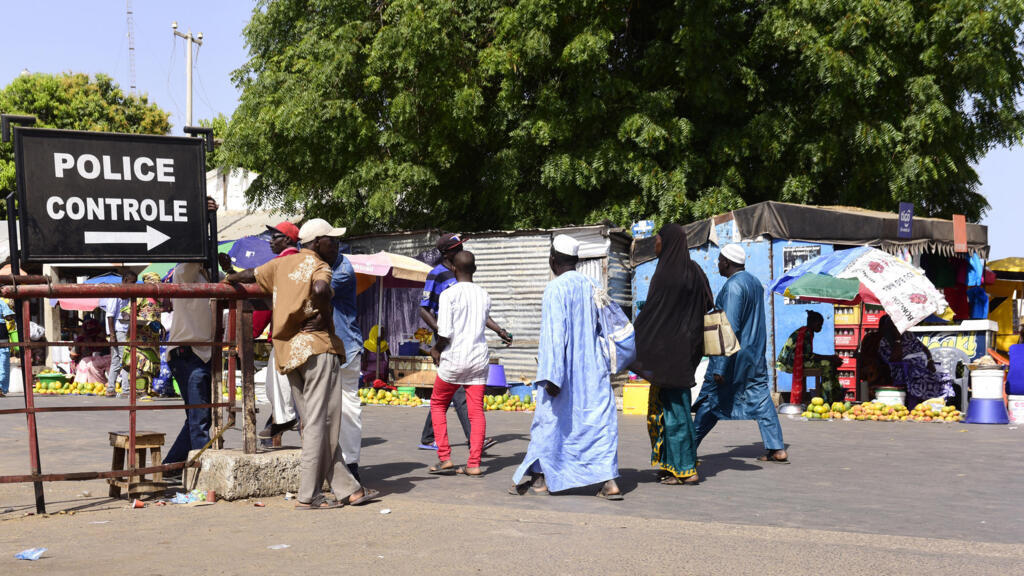
The recent Bullock incident served as a critical catalyst, accelerating diplomatic efforts to address the long-standing issue of undefined territorial limits. For years, the ambiguous nature of the Senegal-Gambia border has been a source of occasional friction, impacting cross-border trade, local communities, and regional stability within West Africa. This new definitive agreement underscores a mutual commitment from both governments to foster clearer boundaries and strengthen bilateral relations.
The path to clear borders in West Africa
The upcoming joint operations are not merely a technical exercise; they represent a significant step towards enhancing border security and promoting harmonious coexistence between the two nations. The physical installation of markers will provide tangible clarity for border communities, who often navigate daily life across poorly defined lines. Coupled with a robust sensitization campaign, this initiative aims to educate local populations on the agreed-upon demarcation, thereby minimizing misunderstandings and potential disputes that can arise from unclear territorial divisions.
Historically, unresolved border issues have posed challenges to political stability and regional integration in the Sahel. By actively engaging in this border demarcation process, Senegal and Gambia are setting a precedent for peaceful resolution and cooperative governance. The success of these operations will be crucial in determining whether this agreement truly ushers in an era of lasting tranquility or if further engagement will be needed to address deeply rooted points of contention on the ground.
The international community will be closely observing these developments, recognizing the importance of stable borders for overall political Sahel and regional prosperity. This proactive approach to resolving border ambiguities is vital for fostering trust and ensuring sustainable development across the shared landscape of these interconnected West African neighbors.