The African Football Confederation has officially acknowledged the joint bid from Burkina Faso, Mali, and Niger for hosting the 2032 Africa Cup of Nations (AFCON). While this marks a symbolic milestone for the three nations within the Alliance of Sahel States (AES), their journey has only just begun—with infrastructure and security now taking center stage.
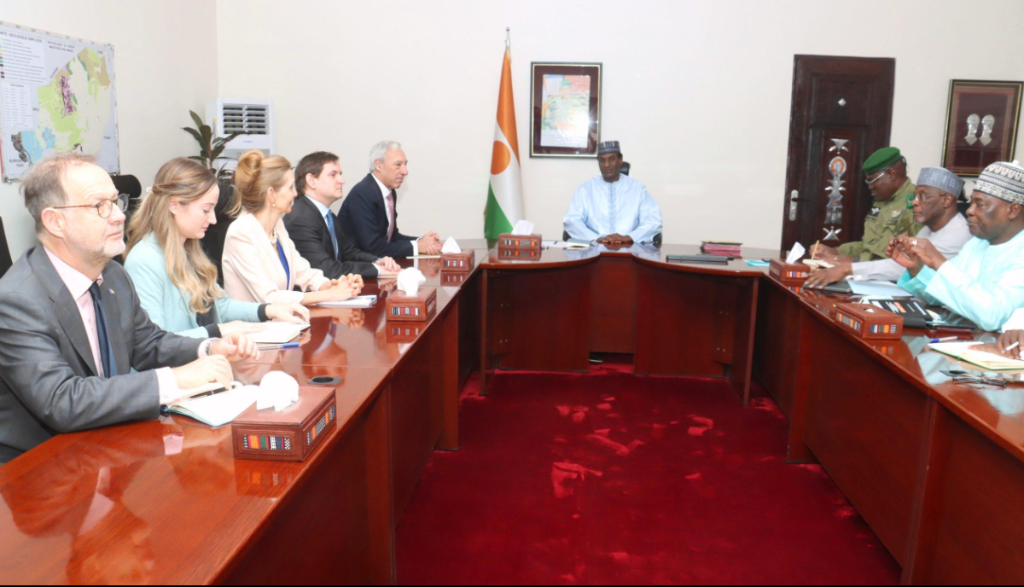
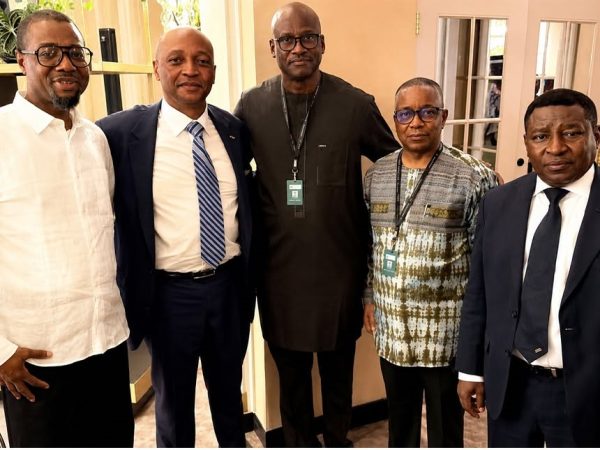
In a significant move concluded in New York on July 18, representatives from the three countries met with CAF President Patrice Motsepe. Colonel Oumarou Sawadogo, Mahamadou Cissé, and Issaka Adamou, presidents of the respective national football federations, received confirmation that their joint expression of interest for AFCON 2032 had been formally recorded. The announcement was made public two days later by the Nigerien Football Federation (FENIFOOT), sparking immediate regional attention.
Administrative nod, but the real test lies ahead
Under CAF regulations outlined in Article 7.3 of the bidding guidelines, the trio has cleared a procedural hurdle by submitting their joint declaration of interest. This initial approval does not guarantee hosting rights but ensures their bid remains in contention as the formal selection process unfolds. According to FENIFOOT, this validation merely allows the dossier to proceed through the official evaluation pathway without prejudging future outcomes.
Why is CAF accelerating the bidding cycle?
In early July 2026, the CAF simultaneously invited bids for AFCON 2028, 2032, and 2036—an unprecedented move aimed at long-term tournament planning. This extended timeline gives bidding nations ample opportunity to develop robust, sustainable proposals. Though no final timeline has been set for the 2032 decision, CAF will conduct a rigorous feasibility assessment focusing on stadiums, hospitality, transportation, and overall logistical readiness across the three candidate countries.
A proven model for tripartite hosting
The CAF has already embraced a three-nation co-hosting model, with Kenya, Uganda, and Tanzania set to jointly organize AFCON 2027. This precedent could serve as a blueprint for the Sahel bid, enabling Burkina Faso, Mali, and Niger to share resources, reduce costs, and leverage existing infrastructure rather than building from scratch to meet international standards.
CAF leadership has praised the initiative’s cooperative spirit, emphasizing that adherence to established procedures remains essential. A communiqué from FENIFOOT on July 20, 2026, reaffirmed this balanced approach.
Football as a pillar of Sahel unity
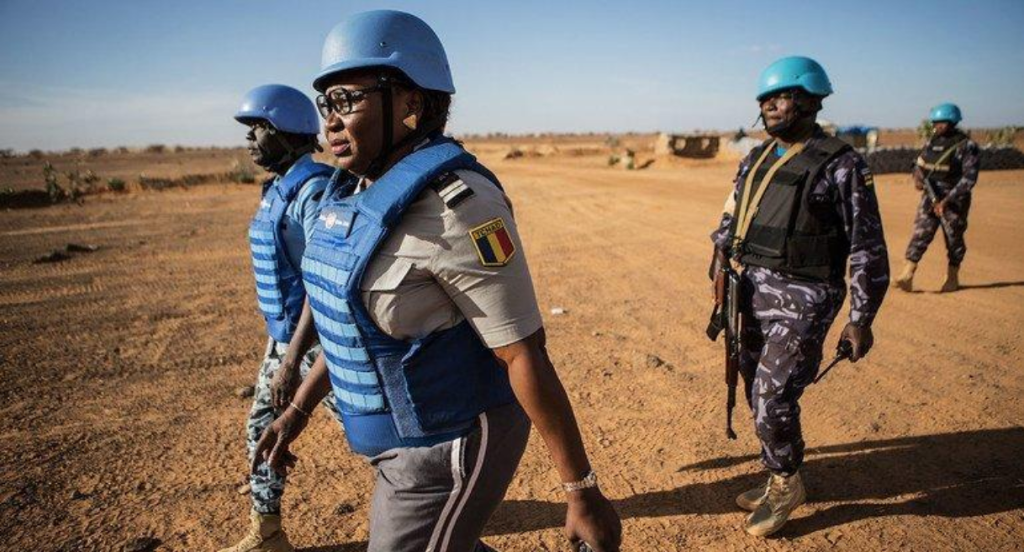
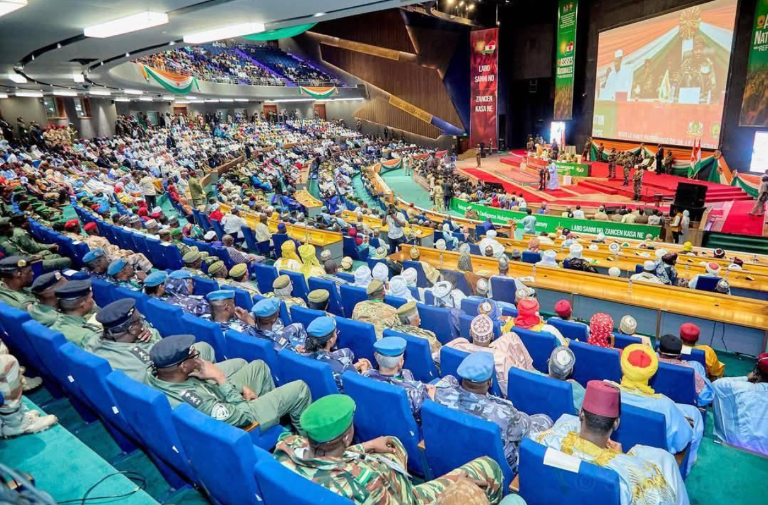
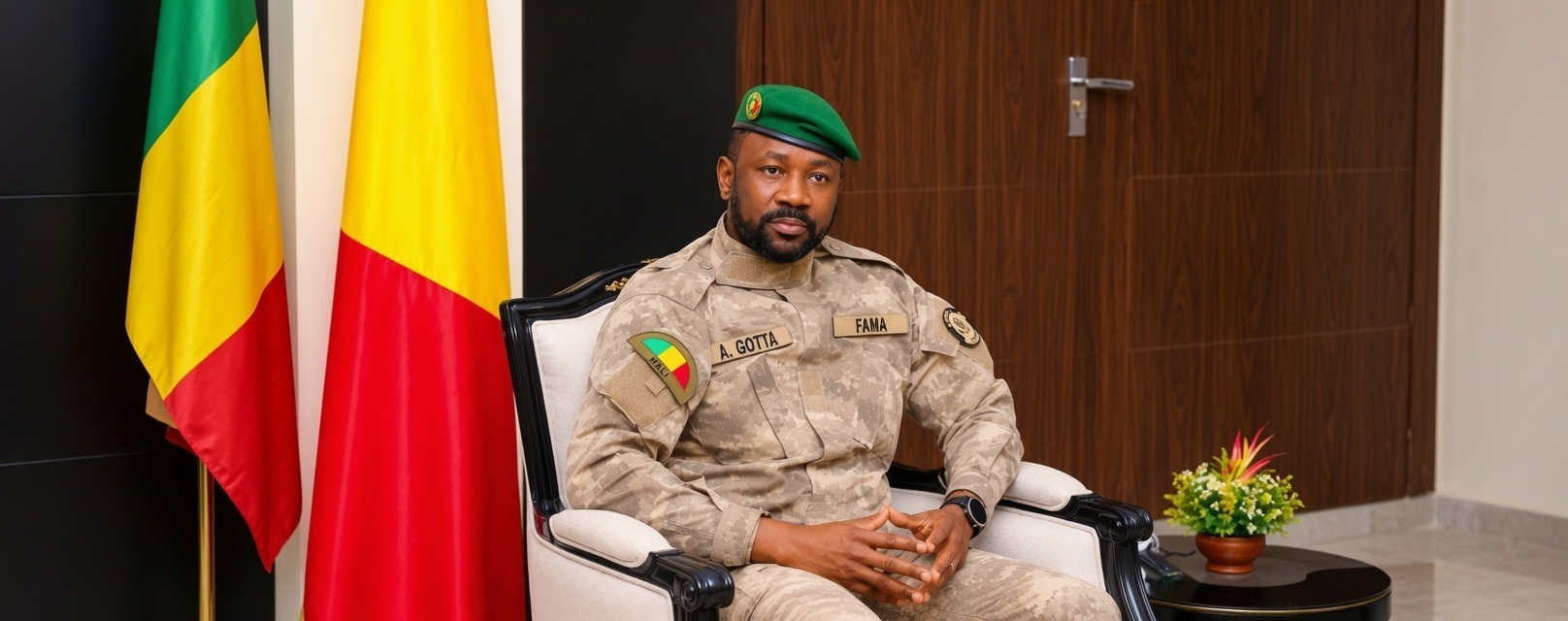
The joint bid reflects broader geopolitical ambitions. Since severing ties with ECOWAS, the military-led governments in Ouagadougou, Bamako, and Niamey have intensified regional collaborations—from monetary initiatives to diplomatic alliances. A successful AFCON bid would provide the Alliance of Sahel States with a rare international platform, especially amid ongoing security challenges. The African Union recently condemned deadly attacks in Niger and Mali on July 17 and 18, underscoring the fragile environment in which the bid is being pursued.
The CAF’s evaluation will weigh heavily on security readiness, stadium capacity, accommodation, and transport networks. Success hinges not on symbolic gestures, but on the trio’s ability to deliver tangible, long-term infrastructure and operational excellence.
Key takeaways: a journey, not a destination
The July 18 validation represents only the first administrative step—a declaration of intent, not a guarantee. While the path to 2032 remains uncertain, the Sahel trio has signaled its determination to build a competitive bid in close coordination with their governments. The real challenge lies in transforming political unity into a practical, world-class hosting capability. AFCON 2032 may ultimately become more than a tournament—it could symbolize the Sahel’s emergence as a unified, capable host on the global stage.