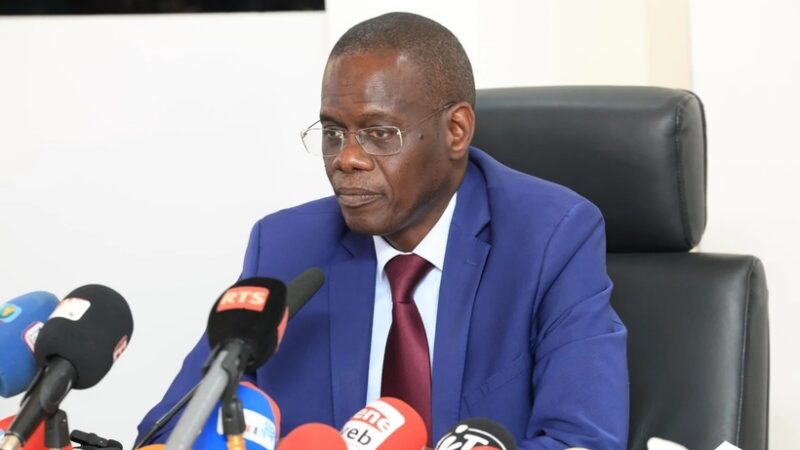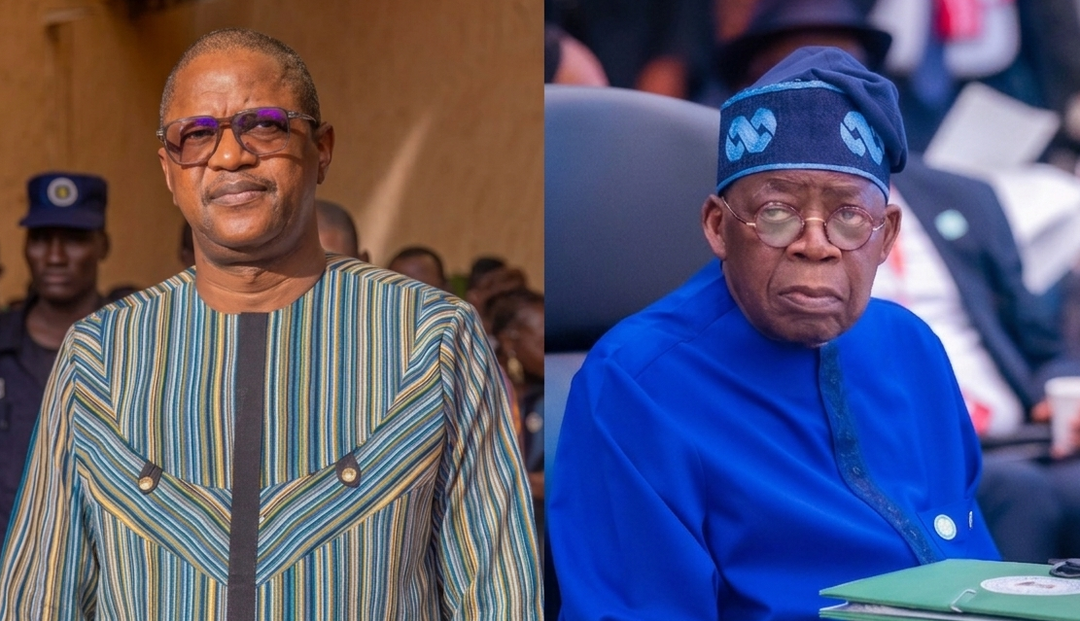
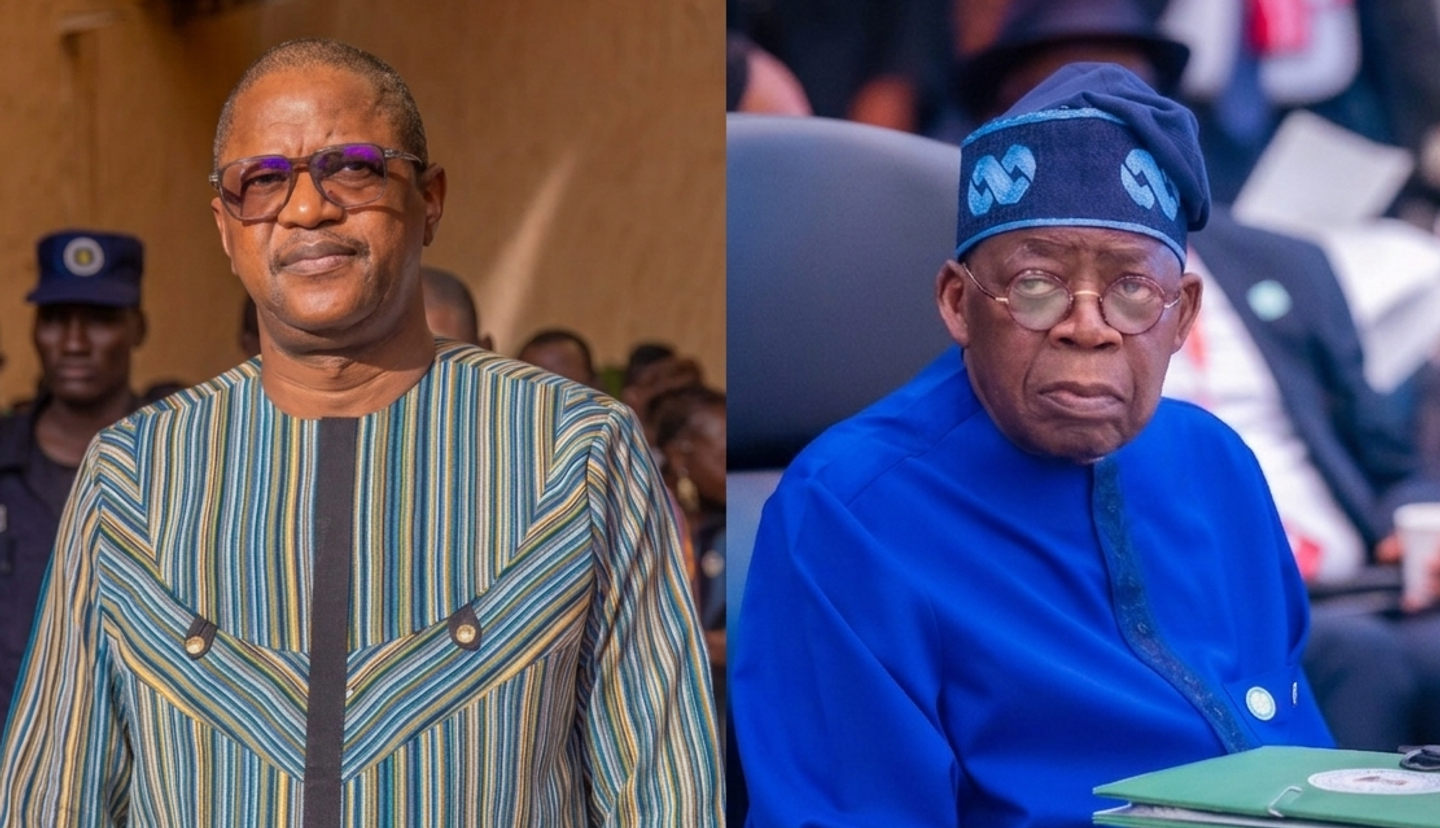
Burkina Faso’s Minister of Foreign Affairs, Karamoko Jean Marie Traoré, convened a meeting on Thursday with the Chargé d’Affaires of the Federal Republic of Nigeria’s Embassy in Burkina Faso. This diplomatic engagement followed recent declarations by Nigerian President Bola Ahmed Tinubu concerning the security landscape within the Sahel States Confederation (AES).
The meeting underscored a unified stance among the AES member states, with Chargés d’Affaires from the Embassies of Mali and Niger also in attendance, highlighting a concerted and collective position from the three nations.
On July 30, President Tinubu, during discussions with Nigerian traditional leaders, had attributed the surge in kidnappings and terrorist incursions across Nigeria to what he termed a ‘collapse’ of security in adjacent Sahelian countries. This perspective was communicated in a statement from Burkina Faso’s Ministry of Foreign Affairs.
President Tinubu had explicitly stated to the traditional leaders: “Some of them (the terrorists) are not Nigerians. You see, the problem of insecurity in Mali, in Burkina Faso, and in Niger only exacerbates our difficulties.” These remarks have become a central point of contention in the ongoing political Sahel dialogue.
The Burkinabè foreign minister characterized this interpretation of the regional security situation as “a hasty, overly simplistic, and surprising analysis.” He further noted that it reveals “a troubling bias” on the part of Nigeria’s highest authority. Traoré expressed a preference for the security context to be presented with greater accuracy, rather than assigning responsibility for a complex situation to neighboring nations. Such an approach, he warned, risks fostering misunderstandings and frustrations among peoples bound by shared history, geography, and brotherhood across West Africa.
Traoré emphasized that President Tinubu’s assertions disregard the profound sacrifices made by the Nigerian army in its long-standing fight against Boko Haram, a conflict that predates the widespread terrorism now affecting the AES countries. This highlights the intricate nature of security Sahel challenges.
The head of Burkina Faso’s diplomacy also pointed out that despite established links between Boko Haram and various terrorist factions operating in the Sahel, the AES member states have consistently refrained from public accusations against Nigeria. Instead, they have prioritized an approach rooted in cooperation and collective responsibility for regional security.
“Burkina Faso, Mali, Niger, and Nigeria confront a common adversary,” Traoré affirmed. “Consequently, the successes achieved by the defense and security forces of the AES nations contribute to the overall security of the entire sub-region, including Nigeria, by curtailing the destructive capabilities and mobility of terrorist groups.” This perspective is crucial for understanding the broader security Sahel news English.
Traoré concluded by urging Nigerian authorities to foster unifying narratives that promote solidarity, rather than making statements that could fuel division or discord among neighboring populations.
In response, Nigeria’s Chargé d’Affaires confirmed receipt of the message and pledged to accurately convey its contents to the authorities in Abuja, as detailed in the communiqué from Burkina Faso’s Ministry of Foreign Affairs.