Richard Bona criticizes cameroonian youth over corruption
Richard Bona criticizes cameroonian youth over corruption
Recent findings from an Afrobaromètre survey, published in March, revealed that a significant 57% of Cameroonians admitted to paying bribes to avoid issues with law enforcement. Nearly half of the population in Cameroon has resorted to bribing public officials for identity documents, and 37% for access to medical care.
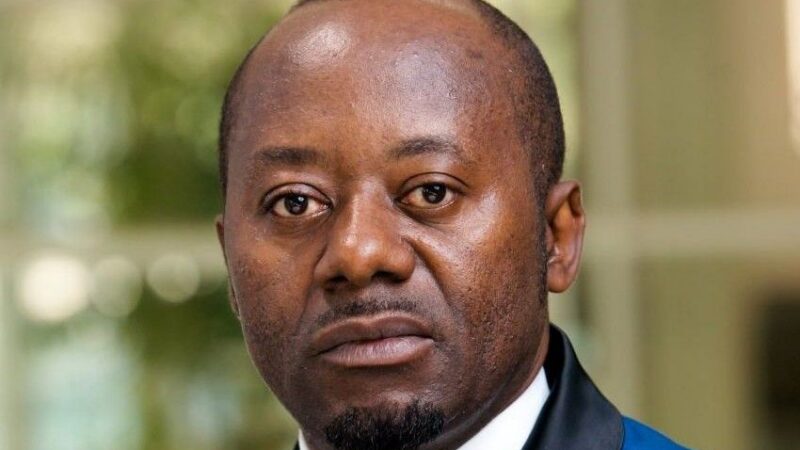
Speaking in an exclusive interview, the exiled Cameroonian bassist, Richard Bona, expressed profound concern about the pervasive corruption within his homeland, specifically targeting the younger generation.
“The Cameroonian youth, he asserted, is fundamentally corrupt. ‘They have been raised in this manner,’ Bona stated, ‘adopting a mindset of merely awaiting handouts from above. Aside from a few truly exceptional cases, this generation is tainted by corruption. I even doubt Cameroon’s ability to recover from this.'”
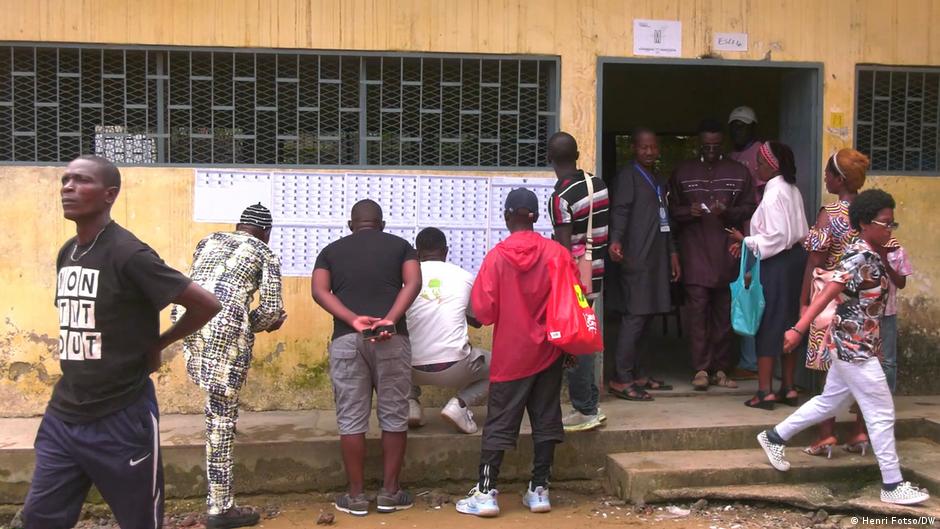
This stance resonated across social media platforms, with one Cameroonian netizen observing, “Children understand that police officers are on patrol not for their safety, but to collect 500 francs.” Similar sentiments were echoed on the streets of Yaoundé.
“While some young people are indeed corrupted,” one resident noted, “a significant majority are victims of corruption.”
“Yes, a generation exists that experiences shortcuts. Yes, there are reprehensible behaviors. But no society builds itself by judging an entire generation based on its deviations.”
Cameroon’s ongoing struggle with corruption
Cameroon continues to face significant challenges in combating corruption, as highlighted by recent international assessments. The nation currently ranks 142nd out of 182 countries in Transparency International’s latest index, published in February.
The National Anti-Corruption Commission (CONAC), an institution under the Cameroonian presidency, detailed in its 2024 report that “Cameroon remains burdened by corruption. Billions of CFA francs continue to be embezzled from state coffers by individuals.”
An individual claiming to work for the Cameroonian government observed that “many young people no longer even recognize what is abnormal. They thrive on corruption.”
Nevertheless, many Cameroonians argue that these instances do not define the entire youth population. “Crucially, a substantial portion of this youth is highly resilient, combative, and strives to act with integrity, inspiring hope,” one individual emphasized. Another remarked, “Cameroon progresses largely thanks to its young people. If all were corrupt, the country would be at a standstill.”
Youth as victims and tacit accomplices
According to Attorney Akere Muna, founder of Transparency International Cameroon and an international consultant on anti-corruption efforts, Cameroonian youth are more accurately described as victims and “tacit accomplices” of corruption. He characterizes them as a generation “ambushed” by the system.
“Corruption in Cameroon, Muna explained, is systemic. ‘To suggest that young people are primarily responsible is misguided,’ he asserted. ‘They are not in charge; they are subjected to it. They must survive. Consequently, they become complicit. I believe it is vital for young people to recognize how this pervasive corruption mortgages their future. They should actively speak out against it.'”
“For forty years, we have cultivated a culture where advancement isn’t driven by competence or hard work. Young people learn quickly. It’s about knowing someone, nepotism, tribalism to get ahead,” the former vice-president of Transparency International further elaborated.
Muna advocates for an educational culture that instills the value of hard work, demonstrating that “if one is lazy and does nothing, they will go nowhere.”
CONAC, for its part, urges all public and private sector agents, as well as citizens, to mobilize and report corruption. The commission operates a green line, 1517, for reporting any corrupt acts.