Renewed friction between Nigeria and the alliance of Sahel states over counter-terrorism efforts
Renewed friction between Nigeria and the alliance of Sahel states over counter-terrorism efforts
A new wave of tension has emerged between Nigeria and the member states of the Alliance of Sahel States (AES). This latest diplomatic friction stems from recent remarks made by the Nigerian president, which have been met with strong disapproval in Bamako, Niamey, and Ouagadougou. This situation highlights the complex political Sahel landscape and ongoing security Sahel challenges in West Africa.
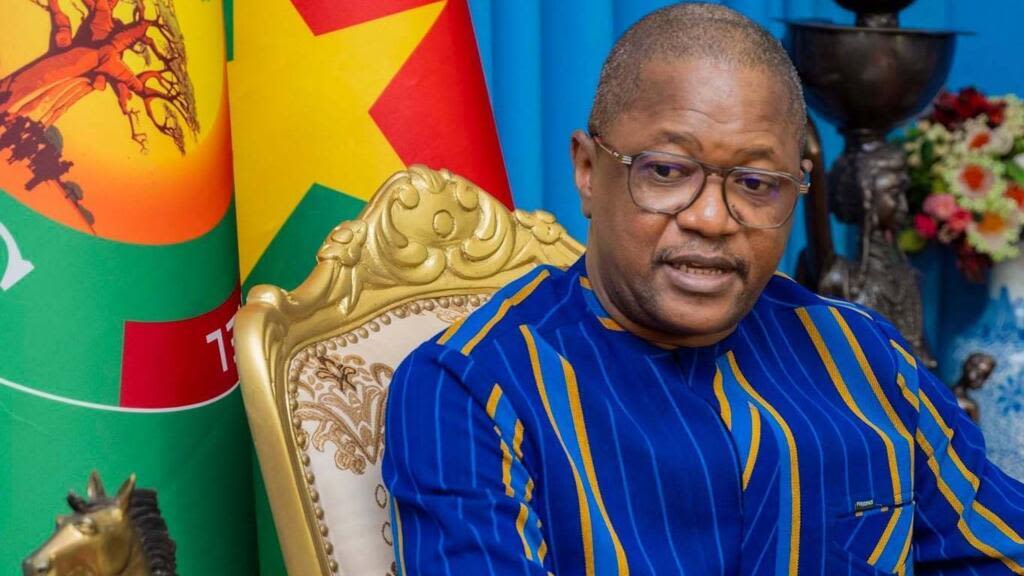
During a meeting with traditional Nigerian leaders on July 30, President Bola Ahmed Tinubu reportedly attributed some of the insecurity and kidnappings plaguing northern Nigeria to terrorist elements originating from neighboring countries. These statements prompted a swift response from Burkina Faso’s Minister of Foreign Affairs, Karamoko Jean-Marie Traoré, who issued a communiqué on Friday, August 7. The communiqué emphasized that terrorism is a shared threat across the region, stating, “Burkina Faso, Mali, Niger, and Nigeria confront the same adversary.” The AES conveyed its profound disappointment regarding the Nigerian president’s declarations.
“The real enemies are elsewhere”
On the same Friday, representatives from the three confederation countries – Burkina Faso, Mali, and Niger – convened in Ouagadougou. They formally summoned the Nigerian chargé d’affaires to convey their strong condemnation of President Bola Ahmed Tinubu’s comments, labeling them as “inaccurate.” Burkina Faso’s chief diplomat asserted that the Nigerian president’s remarks diminished the considerable efforts undertaken by AES armies in their persistent struggle against terrorism. He further underscored, “We are not responsible for our current predicament. The real enemies are elsewhere.”
In recent years, the security situation in northwestern Nigeria, particularly along its shared border with Niger, has significantly deteriorated. Relations between Abuja and its Sahelian neighbors had previously grown strained in 2023 following the coup d’état that ousted Mohamed Bazoum in Niamey, adding to the regional political Sahel dynamics.