Olympe Bhêly-Quenum at 100: behind the forces that forged a literary century
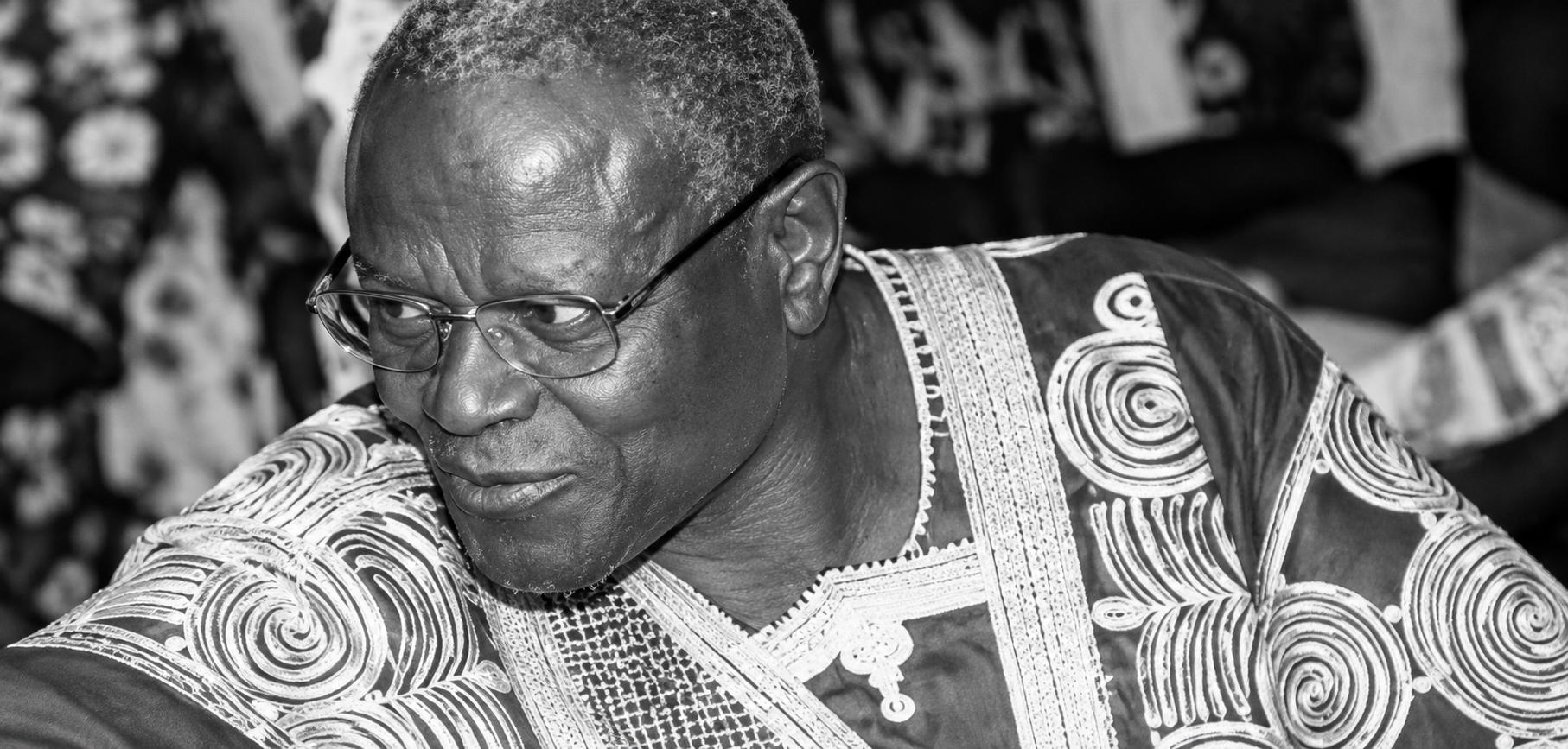
The forces behind a literary life that crossed a century
Olympe Bhêly-Quenum, born on September 20, 1926, in Ouidah, has reached his 100th birthday. That landmark invites more than celebration; it calls for an examination of the deeper forces that shaped one of the most enduring voices in French-language African literature. His long career as a writer, journalist, and literary critic did not emerge in a vacuum. It grew from a specific place, a specific family, and a specific set of cultural tensions that would define his work for decades.
Roots in Ouidah: where the sacred and the social meet
Born in Gléxwé, known today as Ouidah, Bhêly-Quenum entered a world where Vodoun culture and the history of the Dahomey kingdom were not abstract ideas but daily realities. His mother served as a Great Priestess of Vodoun, and his family belonged to an influential noble lineage tied to the region’s royal past. That early immersion in ritual, oral tradition, and social hierarchy left a lasting mark on his imagination. Readers of his fiction will recognize the recurring presence of the sacred, the weight of ancestral belief, and a sharp eye for social realism. These were not literary devices borrowed from elsewhere; they were the materials of his childhood.
How formal education connected two worlds
After schooling in Benin, Bhêly-Quenum continued his studies in France. This dual formation gave him a rare vantage point. He could move between the intellectual circles of Paris and the cultural memory of his homeland without fully belonging to either. That in-between position became a creative engine. It allowed him to write about African spiritual life with intimate knowledge while also engaging the literary currents of his time. The result was a body of work that spoke to local readers and international audiences at once.
The novels that built his reputation
His breakthrough came with Un piège sans fin (1960), a haunting novel about fate and the human condition. The book became a staple in schools and universities across the continent, studied for its psychological depth and its unflinching look at moral traps. Five years later, Le Chant du lac (1965) earned the Grand Prix Littéraire d’Afrique Noire in 1966. Set around Lake Nokoué, it examines the collision between progress, the dismantling of myths, and the enduring pull of ancestral beliefs. Then, in 1998, La Naissance d’Abikou took readers into the mythic figure of the spirit-child within Yoruba and Fon cosmology, showing that his curiosity about the sacred had not faded with time.
Journalism as a bridge between Africa and the world
Bhêly-Quenum’s influence extended well beyond fiction. He was a pioneer in African cultural journalism, serving as director and editor-in-chief of the magazine La Vie Africaine, and later founding L’Afrique Actuelle. Through these platforms, he built intellectual bridges between writers on the continent and readers abroad. He argued persistently for the revaluation of African heritage, not as a nostalgic exercise but as a living, evolving force. His editorial work helped create space for African voices at a time when such space was scarce.
What his centenary reveals about legacy
As Benin’s literary elder reaches 100, the deeper story is not simply one of longevity. It is a story of how a single life can absorb the tensions of a century—colonial education and ancestral religion, local tradition and global modernism, artistic ambition and cultural advocacy. Bhêly-Quenum’s pen has never been still. His work continues to inspire new generations of writers, not because it offers easy answers, but because it asks enduring questions about identity, belief, and the cost of progress.