Niger security overview under president tiani’s leadership
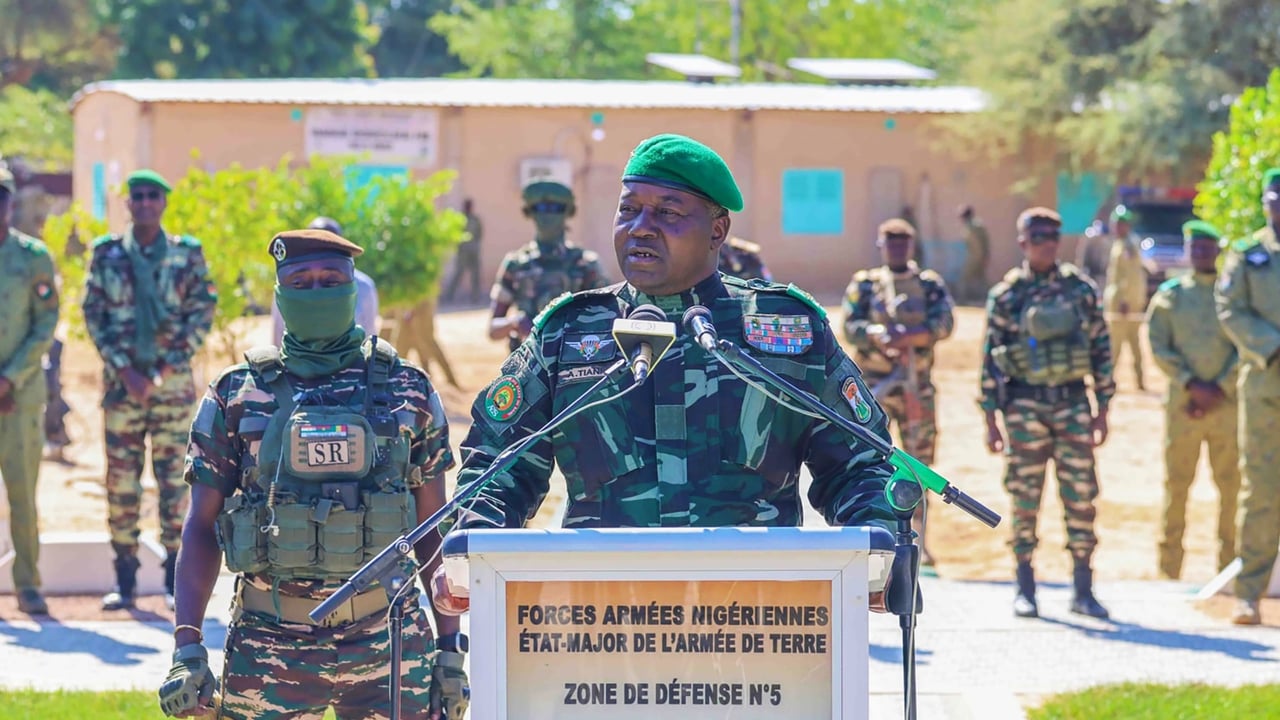

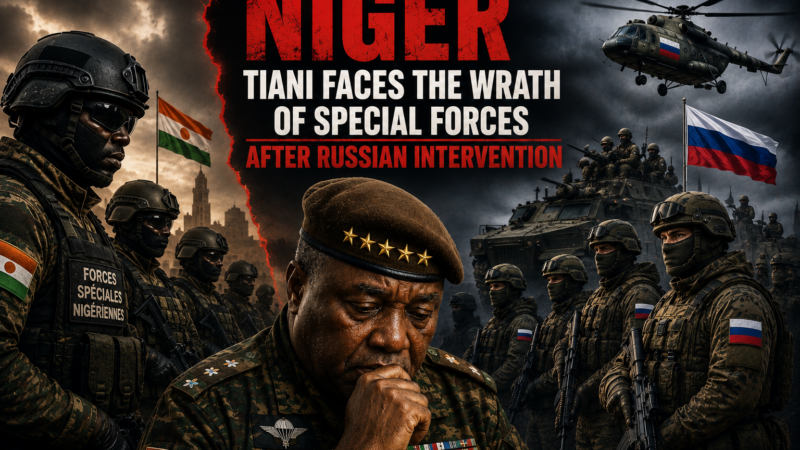
In a bold and unprecedented move, armed factions linked to the Islamic State in the Greater Sahara (ISGS) launched a daring assault on Niger’s capital city, Niamey. On the night of January 28-29, 2025, dozens of militants targeted the international airport and the adjacent military base 101, exposing vulnerabilities in the nation’s security framework.
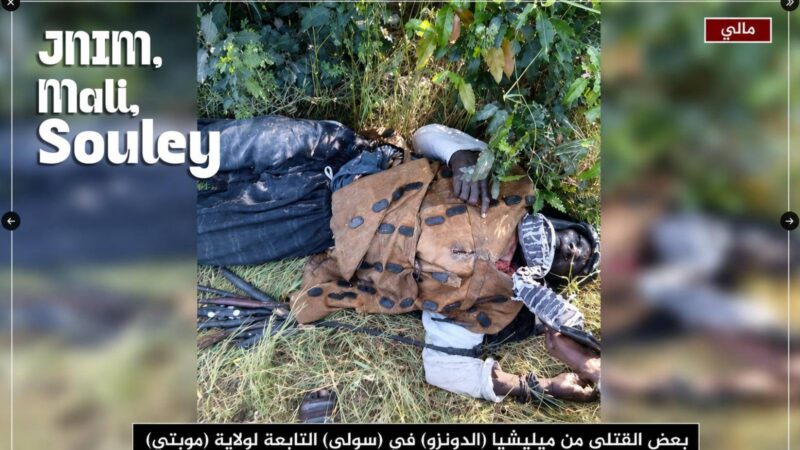
Footage later released by the attackers showed militants engaging in intense combat, destroying civilian aircraft and setting military equipment ablaze. This brazen attack has intensified scrutiny over the security policies implemented by Niger’s current leadership under President Abdourahamane Tiani.
challenges faced by Niger’s security forces
Niger has been at the forefront of regional security efforts, collaborating with neighboring countries in the Sahel to combat extremist threats. However, the January assault on Niamey underscores the persistent challenges facing the Nigerien defense and security apparatus.
The attack highlights several critical issues:
- Border security vulnerabilities: The infiltration of militants into the capital suggests gaps in monitoring and securing national borders, particularly in regions bordering Mali and Burkina Faso.
- Counter-terrorism effectiveness: Despite regional partnerships, extremist groups continue to adapt and execute high-profile attacks, raising questions about the efficacy of current counter-terrorism strategies.
- Military readiness: The ability of Niger’s forces to respond swiftly and decisively to such threats remains a point of concern, as evidenced by the prolonged engagement in Diffa and other hotspots.
- Logistical constraints: Remote and under-resourced areas in the Sahel region pose significant logistical hurdles for rapid deployment and sustained operations.
regional implications of Niger’s security crisis
The incident in Niamey has reverberated across West Africa, drawing attention to the broader security dynamics of the Sahel. Niger’s neighbors, including Burkina Faso, Mali, and Chad, face similar threats from extremist organizations, making regional cooperation essential.
Key areas of concern include:
- Cross-border collaboration: Strengthening intelligence-sharing and joint military operations is vital to preempting attacks and dismantling militant networks.
- Economic impact: Persistent insecurity disrupts trade, agriculture, and development projects, exacerbating poverty and fueling further instability.
- Humanitarian crises: The Sahel region is grappling with one of the world’s fastest-growing humanitarian emergencies, with millions displaced and in need of assistance.
- International partnerships: Support from global allies, including the United Nations and European Union, remains crucial in providing resources and expertise to bolster regional security.
what lies ahead for Niger’s security strategy?
President Tiani’s administration faces mounting pressure to reassess and reinforce the country’s security architecture. Potential steps include:
- Enhanced surveillance: Investing in advanced monitoring technologies and border patrol capabilities to detect and deter threats.
- Community engagement: Building trust with local populations to improve intelligence gathering and reduce the influence of extremist ideologies.
- Military modernization: Upgrading equipment and training programs to enhance the operational readiness of Niger’s armed forces.
- Policy reforms: Strengthening legal frameworks to address the root causes of extremism, including economic disparities and governance gaps.
The January attack on Niamey serves as a stark reminder of the ongoing security challenges in the Sahel. For Niger, the path forward demands a multi-faceted approach that combines military prowess, regional cooperation, and sustainable development initiatives. As the country navigates this critical juncture, the choices made today will shape the future stability and prosperity of the nation and its neighbors.