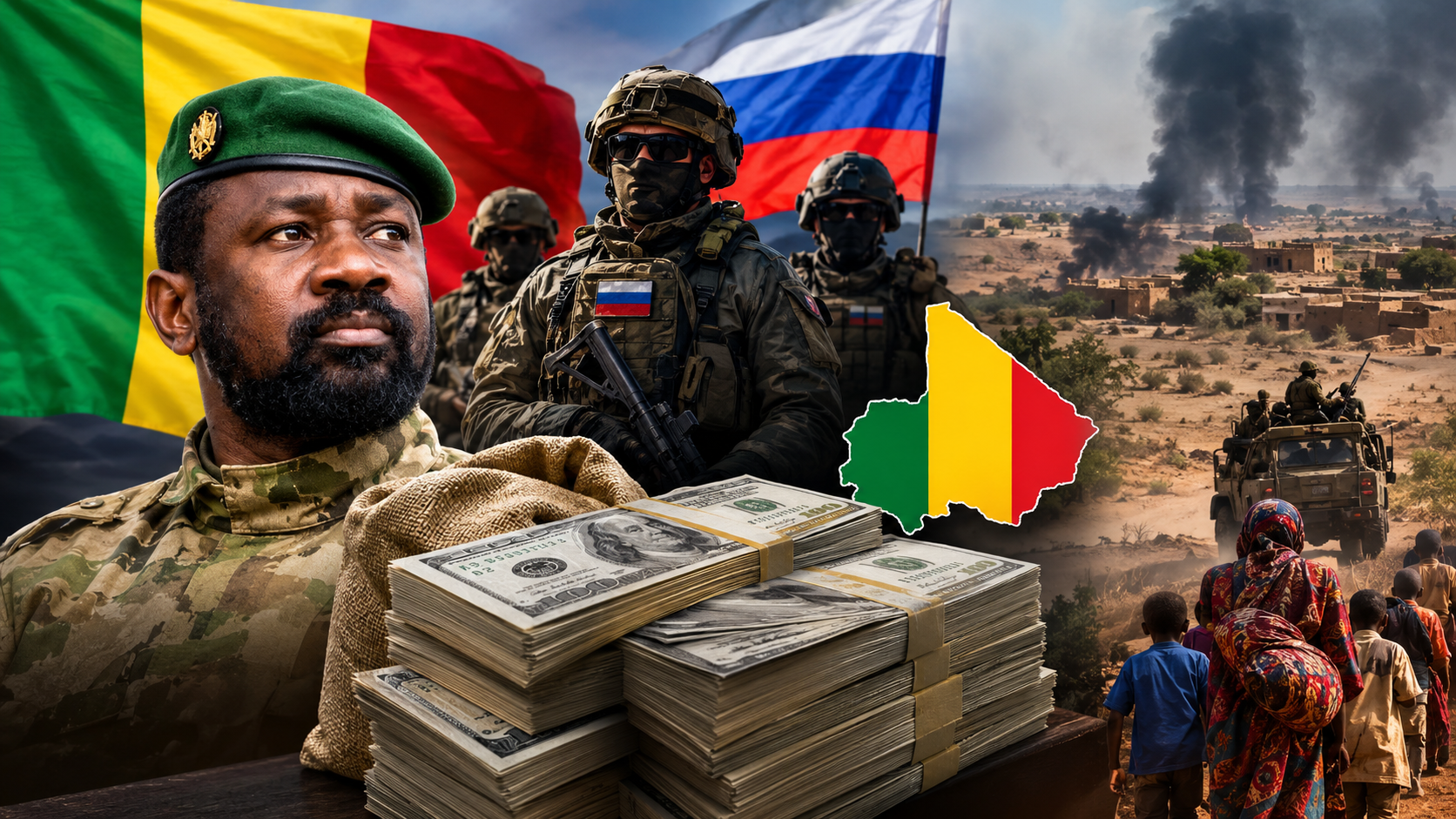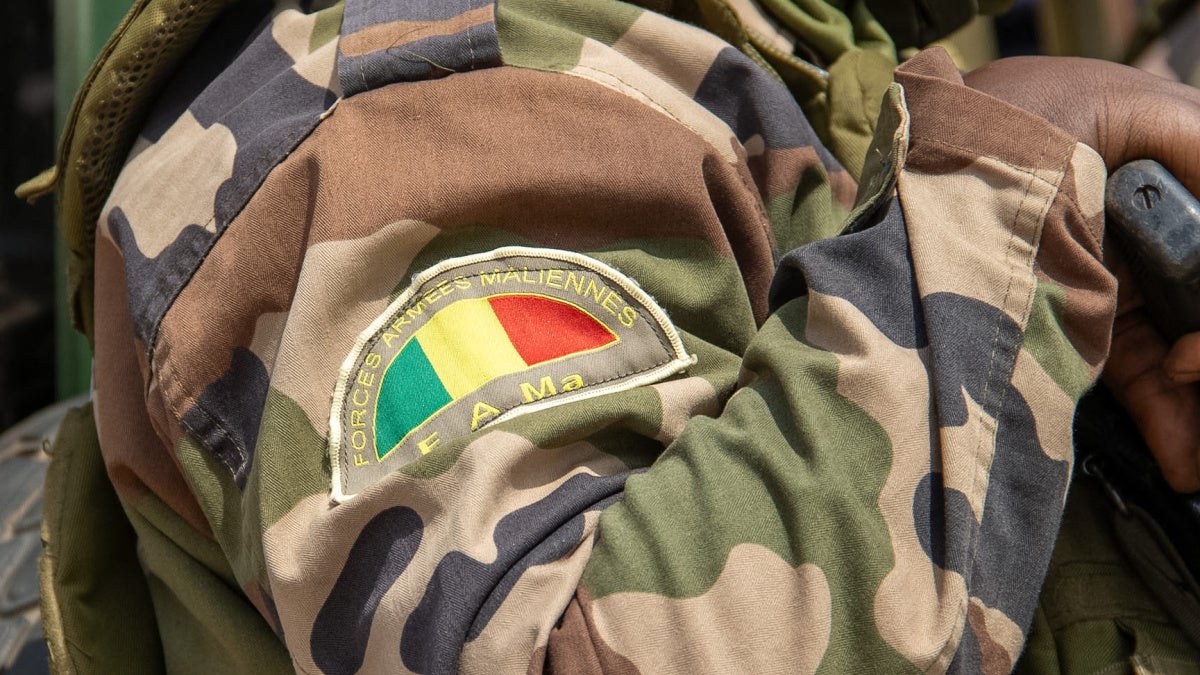
In a chilling account emerging from Mali’s conflict-ridden central region, army troops and allied militias have been accused of carrying out deadly raids on two villages, leaving at least 31 civilians dead and homes reduced to ashes. The attacks, unfolding on October 2 and October 13 in the Ségou area, have sent shockwaves through local communities already grappling with years of violence.
The first incident struck Kamona on October 2, where soldiers from the Malian Armed Forces and Dozos militiamen—traditionally clad in charms and hunting attire—stormed the village in armored vehicles and pickup trucks. Witnesses recount how the assailants, allegedly tipped off about the operation, targeted men, executing at least 21 and setting fire to over 10 homes. A survivor described the scene: “Those who couldn’t flee were rounded up and shot.”
Targeted executions and burning villages
Survivors and local leaders provided harrowing details of the assault. In Kamona, 17 bodies were later found beneath a single tree, while four more were discovered north of the village. The victims, all men aged 20 to 65, had been shot at close range, with some displaying severe head trauma. A 40-year-old shepherd, who hid with his 9-year-old daughter, recounted finding the bodies scattered near his hiding place: “They were riddled with bullets. One man’s head was completely crushed.”
The second attack on Balle on October 13 followed a similar pattern. Soldiers and Dozos, arriving on five pickup trucks and 30 motorcycles, forcibly entered homes, assaulting residents before executing 10 civilians—including a 55-year-old woman—and stealing over 100 cattle. A 33-year-old man described discovering the bodies: “They lay side by side, shot multiple times. Some had broken limbs.”
Denials and shifting narratives
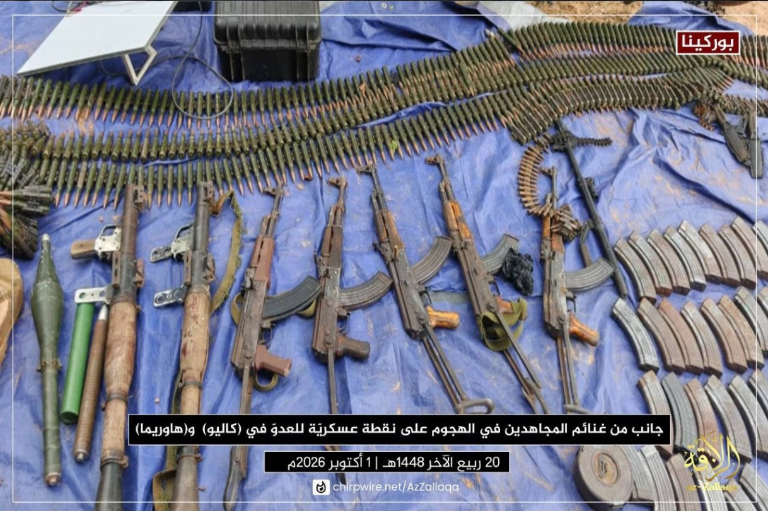
In a statement issued on October 14, the Malian Armed Forces Chief of Staff claimed the October 13 operation in Balle was a successful “offensive reconnaissance” that neutralized “around twenty terrorists” and seized military equipment. However, residents countered that the village had been under the control of the Group for the Support of Islam and Muslims (GSIM) for years, paying Islamic taxes and resolving disputes through jihadist-administered justice. “The army doesn’t distinguish between us and them,” said one local. “They assume we’re all GSIM fighters.”
Both villages lie within areas where the GSIM, an Al-Qaeda affiliate, operates. Witnesses insist there were no armed clashes during the attacks, with the jihadists reportedly fleeing before the soldiers’ arrival. The motive behind the raids, they suggest, stems from retaliatory actions following recent GSIM offensives, including an August assault on the Siribala sugar factory.
Calls for accountability and international scrutiny
Human rights observers have condemned the attacks as clear violations of international humanitarian law, which prohibits attacks on civilians, summary executions, and destruction of property. While Mali withdrew from the International Criminal Court (ICC) in September, it remains bound by the Rome Statute until September 2026—a period during which the ICC retains jurisdiction over alleged war crimes committed since 2012.
The African Union has faced criticism for its limited response to the escalating violence, with calls for the Peace and Security Council to prioritize the crisis. Observers argue that stronger diplomatic efforts and coordinated regional action are urgently needed to hold all parties accountable for their actions.