Marguerite Gnakadé’s hunger strike exposes Togo’s political detention crisis
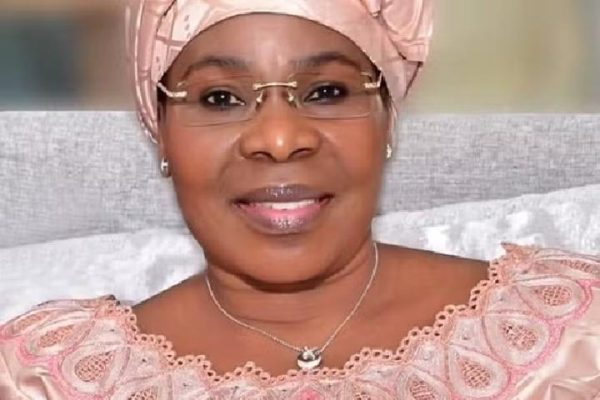
Since July 27, 2026, former Togolese Defense Minister Marguerite Gnakadé has refused all food behind bars to protest the harsh conditions she endures. Eleven months into her detention for criticizing President Faure Gnassingbé’s governance, her hunger strike amplifies the plight of over 60 detained political prisoners across Togo.
On August 30, 2025, as Lomé erupted in protests over rising living costs and a constitutional reform shifting Togo from a presidential to a parliamentary system, Marguerite Gnakadé joined the demonstrations. The former Defense Minister, Togo’s first woman to hold the post (2020–2022), was intercepted by security forces and briefly sent home. Weeks later, on September 17, 2025, she was arrested for publicly questioning President Faure Gnassingbé’s leadership.
From political insider to imprisoned activist
Gnakadé’s background once placed her firmly within Togo’s elite. Appointed Defense Minister in October 2020 without prior military experience, she was also the widow of Ernest Gnassingbé, the late brother of the sitting president. Yet when she aligned with public dissent instead of suppressing it, this proximity to power offered no protection.
« We embark on this hunger strike not out of despair, but conviction. When justice remains silent, our bodies become the final cry for freedom. »
Desperate measures amid systemic detention abuses
Gnakadé’s strike mirrors a broader pattern. Since early 2025, hunger strikes have emerged as the only tool available to imprisoned political activists in Togo. In November 2025, 37 detainees launched a collective fast. By December, activists Grâce Koumayi and Abdoul Aziz Goma endured 50 days without food at Lomé Central Prison, forcing authorities to address their demands. Human rights groups now demand urgent medical access for all hunger-striking detainees.
Contrasting fates of former regime figures
While Gnakadé’s case is frequently cited alongside those of former high-ranking officials like Kpatcha Gnassingbé and General Félix Kadanga, their trajectories differ markedly. Kpatcha Gnassingbé, half-brother of the president and former Defense Minister, spent 16 years imprisoned for alleged coup plotting before receiving a presidential pardon in late December 2025. General Kadanga, former army chief of staff, has served a 20-year sentence since 2023 for complicity in a colonel’s assassination. Gnakadé stands alone as the only detainee imprisoned solely for exercising free speech.
How constitutional reform fueled Togo’s unrest
Adopted in March 2024, the constitutional amendment abolished presidential term limits by transforming Togo into a parliamentary system. President Gnassingbé now leads as Council of Ministers Chairman. Opposition factions labeled the reform a constitutional coup, igniting 2025’s youth-led « Gen Z » protests. The government responded with violent crackdowns and mass arrests, swelling the ranks of political prisoners.
Late December 2025 saw a presidential pardon release 1,511 detainees, hailed as a conciliatory gesture. Civil society groups estimate 70 political prisoners remain jailed, including Gnakadé.
Civil society rallies for detained voices
The campaign to free Togo’s political prisoners, spearheaded by the « Touche pas à ma Constitution » collective and opposition parties, continues unabated. Reports indicate at least nine detainees have died in custody since repression began, with others suffering lasting injuries from alleged mistreatment. Activists demand immediate, unconditional release of all political prisoners and guaranteed medical care for hunger strikers like Gnakadé, whose health has deteriorated after 11 months behind bars.