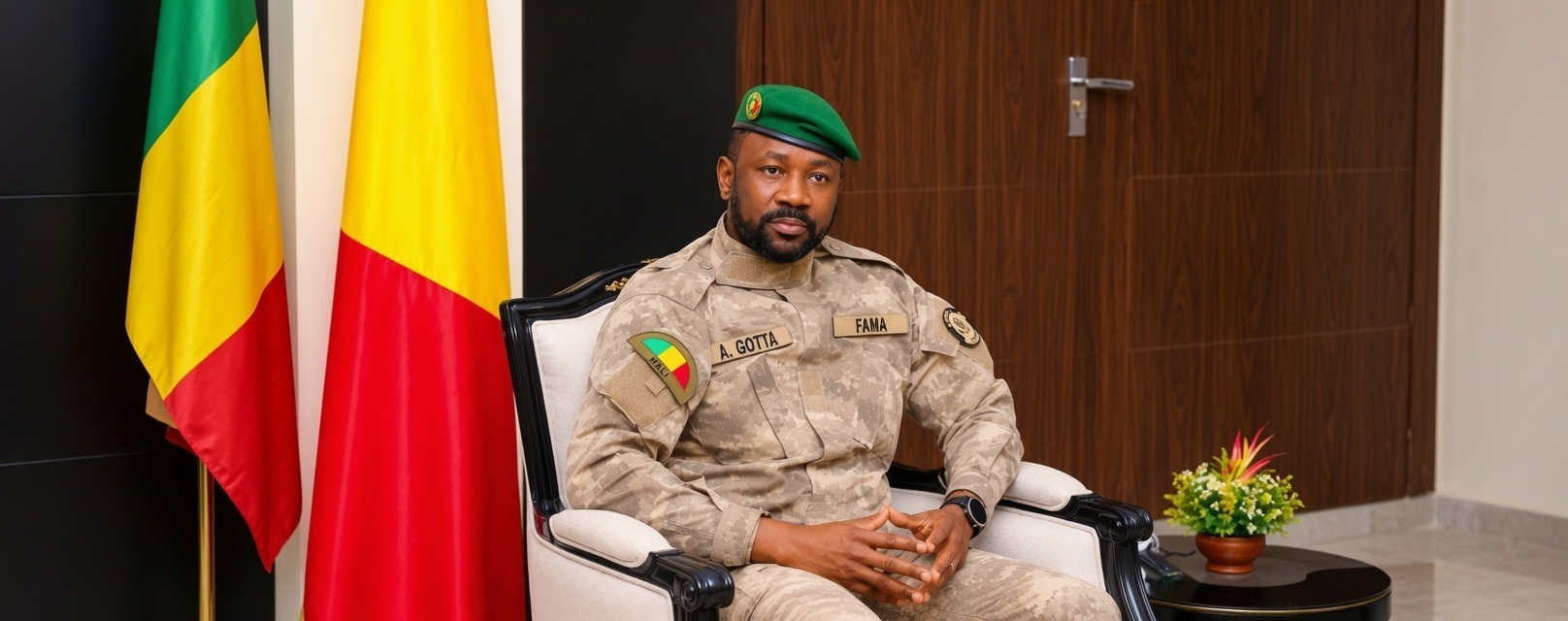
The hopeful vision of a swift resolution through alignment with Moscow has, regrettably, dissipated in Mali. While the Malian transitional government maintains a stance of self-reliance and skepticism towards Western allies, the reality on the ground is stark: security continues to erode, and the approach championed by Russian paramilitaries finds itself at a critical dead end. This situation demands a re-evaluation of the current Mali security strategy.
The security setbacks of Africa Corps in the Sahel
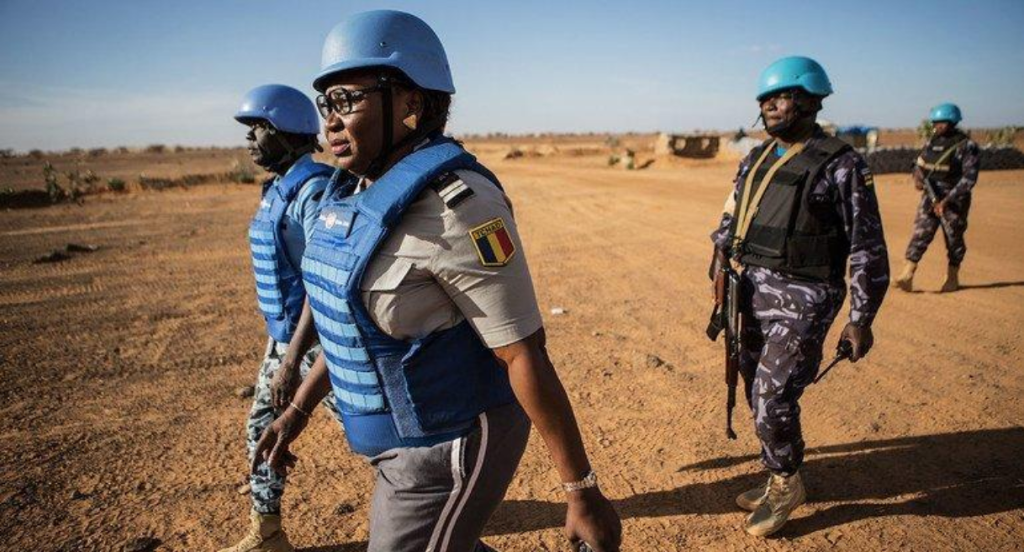
Three years following the deployment of Russian contractors, initially operating under the Wagner banner and now known as Africa Corps, the impact of Moscow’s assistance has proven particularly challenging for the security Sahel. The heavy toll is evident:
- Operational shortcomings and significant setbacks: Far from eradicating the threat, Africa Corps forces have accumulated tactical defeats. This is starkly illustrated by fierce ambushes in the northern regions, particularly near Anéfis, alongside persistent assaults on joint airbases.
- Proliferation of the terrorist threat: The Group for the Support of Islam and Muslims (JNIM), an Al-Qaeda affiliate, appears stronger and better equipped than ever before. The threat has shifted southward, now endangering the nation’s economic and institutional core and placing the capital under potential siege. This expansion is a grave concern for the broader political Sahel.
- Strategic void: Lacking the high-precision aerial intelligence, projection capabilities, and advanced technological assets previously provided by multilateral partnerships, the Malian Armed Forces (FAMA) and their Russian allies find themselves in a state of constant vulnerability.
The American option: technological precision for JNIM neutralization
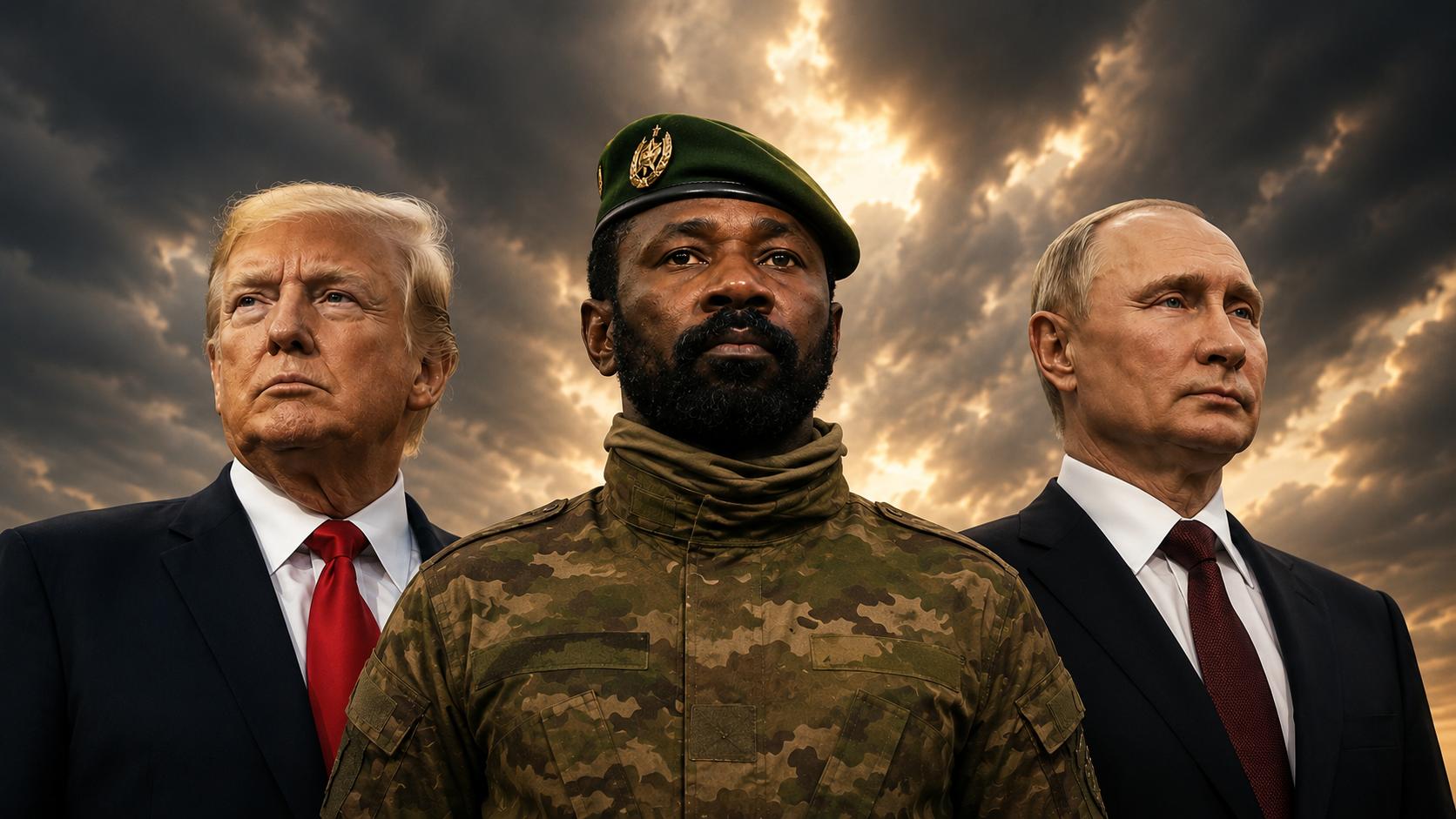
Against the backdrop of the Russian paramilitary method’s deepening entanglements, reports from Washington indicating discussions about targeted strikes against JNIM present a strategic avenue that demands consideration. This could represent a crucial pivot for Mali’s security strategy.
Moving beyond the extensive ground interventions of the past, the American administration’s proposed model of high-precision strikes offers significant tactical advantages:
- Decisive technological superiority: Leveraging an unparalleled intelligence chain, which includes advanced reconnaissance, observation, and intelligence gathering (ROIM), Medium Altitude Long Endurance (MALE) drones, and satellite targeting, the United States possesses the capability to decapitate JNIM’s command structure and neutralize its senior leadership without deploying ground troops.
- A targeted response against terrorist expansion: By striking at the heart of JNIM’s logistics, these operations could immediately alleviate military pressure on Malian garrisons and disrupt the armed groups’ expansionist drive towards the Gulf of Guinea, a critical development for West Africa Sahel news.
- Overcoming the limits of the Russian partnership: Where Russian methods fall short due to insufficient targeting capabilities and heavy air support, American strike power offers a surgical response capable of dismantling the asymmetric threat without entangling the nation in a protracted war of attrition.
Breaking free from dogma to preserve the nation
While the transitional government champions a principle of self-sufficiency, this ideal now appears increasingly illusory. The stark realities of data and the plight of rural populations serve as a potent reminder that no nation can single-handedly overcome a transnational terrorist threat of such magnitude. This calls for a clear Sahel Vision.
To reject American interception and strike capabilities based on ideological posturing, while clinging to a demonstrably ineffective Russian partnership, represents a disproportionate risk. To halt JNIM’s advance and restore territorial integrity, military pragmatism dictates moving beyond political impasses and leveraging the sole technological advantage capable of altering the balance of power. This strategic shift is essential for the future of Mali’s security strategy.