Escalating reports of torture and summary executions targeting Malian soldiers captured in the northern regions have triggered sharp condemnation, with the United Nations now joining local human rights groups in demanding an independent investigation. As evidence mounts of grave violations of international humanitarian law, involving Mali’s armed forces, Russian-linked instructors, and armed factions, the interim government has yet to break its silence.
Northern Mali sees alleged war crimes against captured soldiers
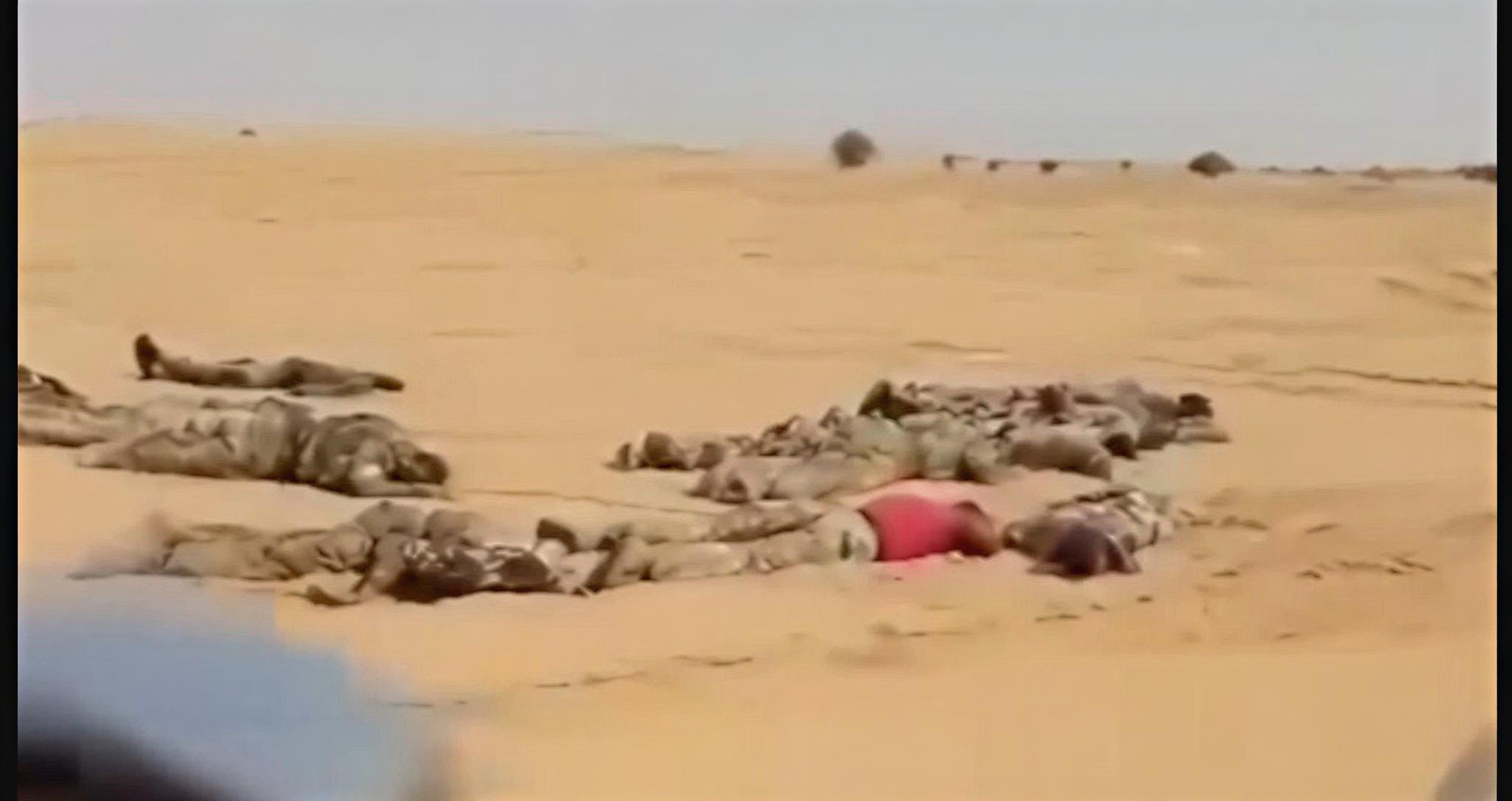
Reports from Malian civil society organizations have drawn urgent attention from global institutions following intense clashes in the country’s northern territories. Multiple sources, including verified social media footage, indicate that dozens of Malian Armed Forces (FAMa) personnel were subjected to severe abuse after being ambushed and taken prisoner. Witness accounts and videos suggest that after surrendering and being rendered hors de combat, these soldiers were tortured and killed—acts that may constitute war crimes under international law.
The UN Human Rights Office swiftly condemned the reported atrocities, stressing that the deliberate killing, mutilation, or execution of prisoners of war violates the Geneva Conventions, irrespective of the perpetrators’ affiliation—whether separatist coalitions or jihadist groups linked to Al-Qaeda.
Military junta faces mounting pressure over inaction
Despite the severity of the allegations and mounting calls from NGOs and international bodies, Mali’s military-led transitional government has yet to issue an official response. This uncharacteristic silence has sparked widespread concern among citizens and global observers alike.
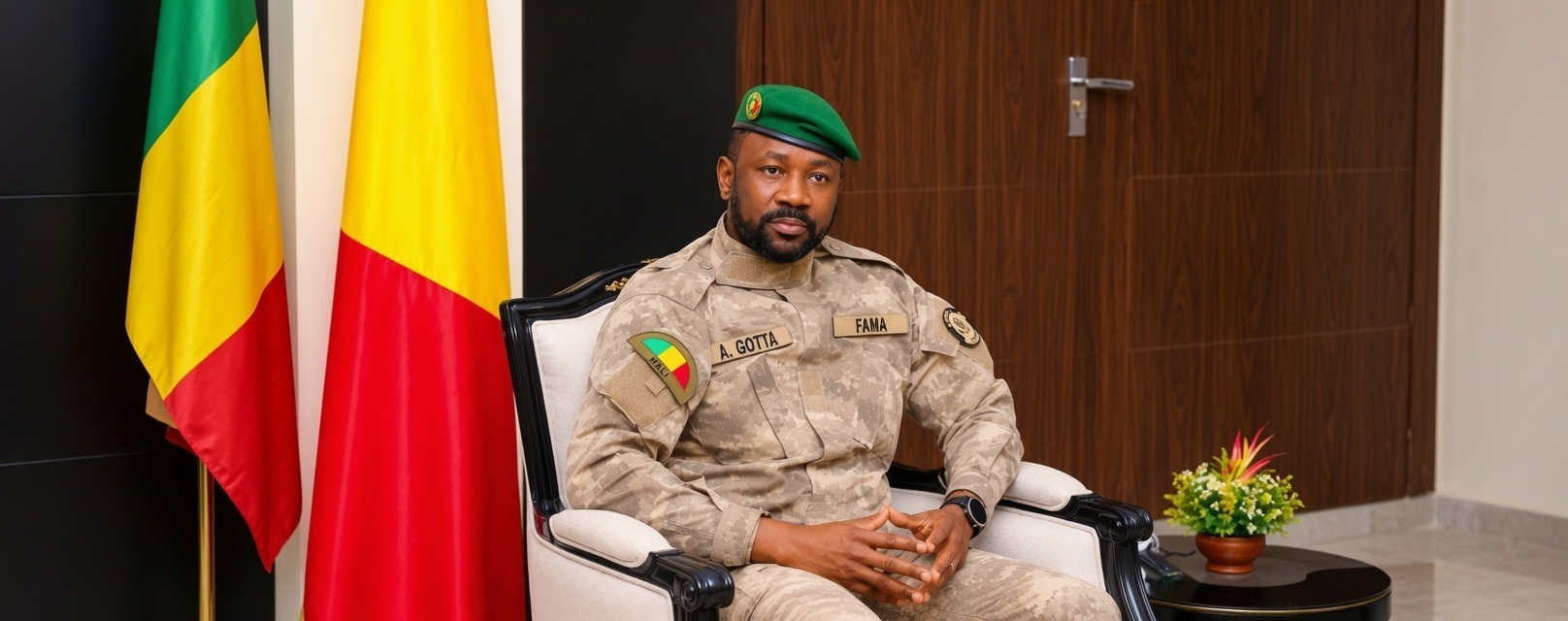
The junta, led by Colonel Assimi Goïta, typically responds swiftly to perceived external interference or to highlight operational successes of the FAMa. Yet, acknowledging large-scale abuses against its own troops risks undermining the official narrative of strengthening national security.
Furthermore, failing to address victims’ families and civil society demands risks deepening internal mistrust within the military ranks—potentially weakening cohesion at a critical moment.
Decades-long cycle of violence against civilians deepens
The UN’s urgent call for accountability comes amid a long-standing pattern of human rights violations documented in northern and central Mali. Over recent years, the Malian army and its Russian allies—formerly associated with Wagner Group and now operating under the banner of the ‘Africa Corps’—have been repeatedly implicated in abuses reported by UN investigators and international NGOs such as Human Rights Watch.
Key violations include:
- Mass civilian killings: Large-scale atrocities, including the 2022 Moura incident where hundreds of civilians were reportedly executed, continue to stain the conduct of military operations.
- Arbitrary arrests and torture: Residents in Mopti, Gao, and Ménaka frequently report unlawful detentions, looting, and torture during joint FAMa and Russian-backed raids.
- Ethnic targeting: Pastoralist communities, particularly Fulani and Tuareg, face disproportionate violence, often accused—without evidence—of aiding insurgents or jihadist factions.
This climate of impunity, compounded by the absence of prosecutions, fuels resentment and radicalization, pushing more individuals toward armed groups.
The Sahel trapped in a spiral of unchecked violence
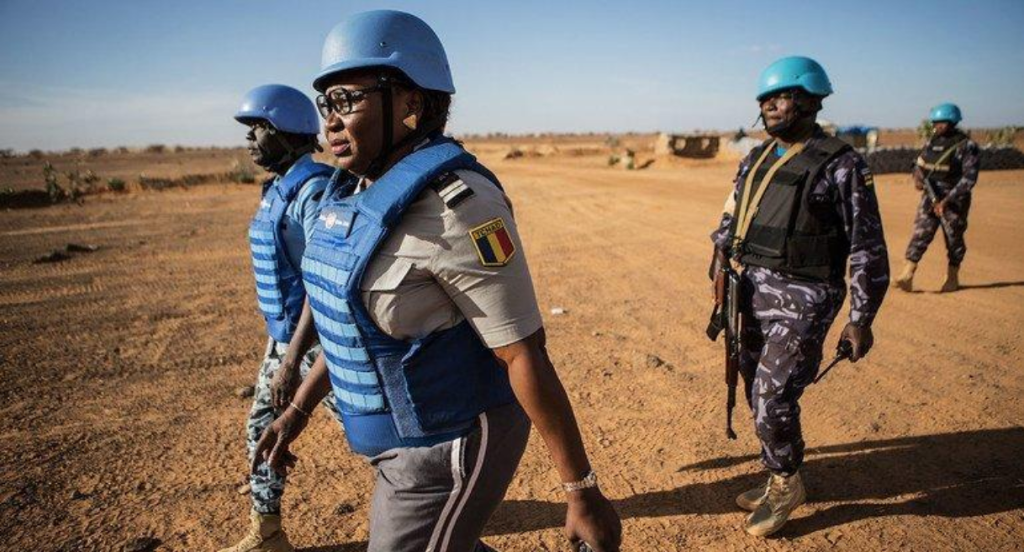
The withdrawal of international forces—including the former MINUSMA mission at the junta’s request—has drastically reduced independent oversight in Mali. Trapped in this closed-off security environment, both civilians and captured soldiers bear the heaviest consequences of unchecked brutality.
Regional analysts warn that without credible oversight and transparent investigations, the counter-terrorism campaign risks morphing into a cycle of retaliatory violence where all sides violate basic humanitarian principles.
The strong stance taken by local NGOs and echoed by the UN marks a pivotal moment in Mali’s security crisis. By demanding full accountability for the slain soldiers, the international community is sending a clear message: justice cannot be selective. The critical question remains whether the military government will finally break its silence and initiate transparent proceedings—or continue to ignore these appeals, risking further isolation and perpetuating a cycle of atrocities on the ground.