Laurent Gbagbo reshapes Côte d’Ivoire’s political landscape with new PPA-CI strategy
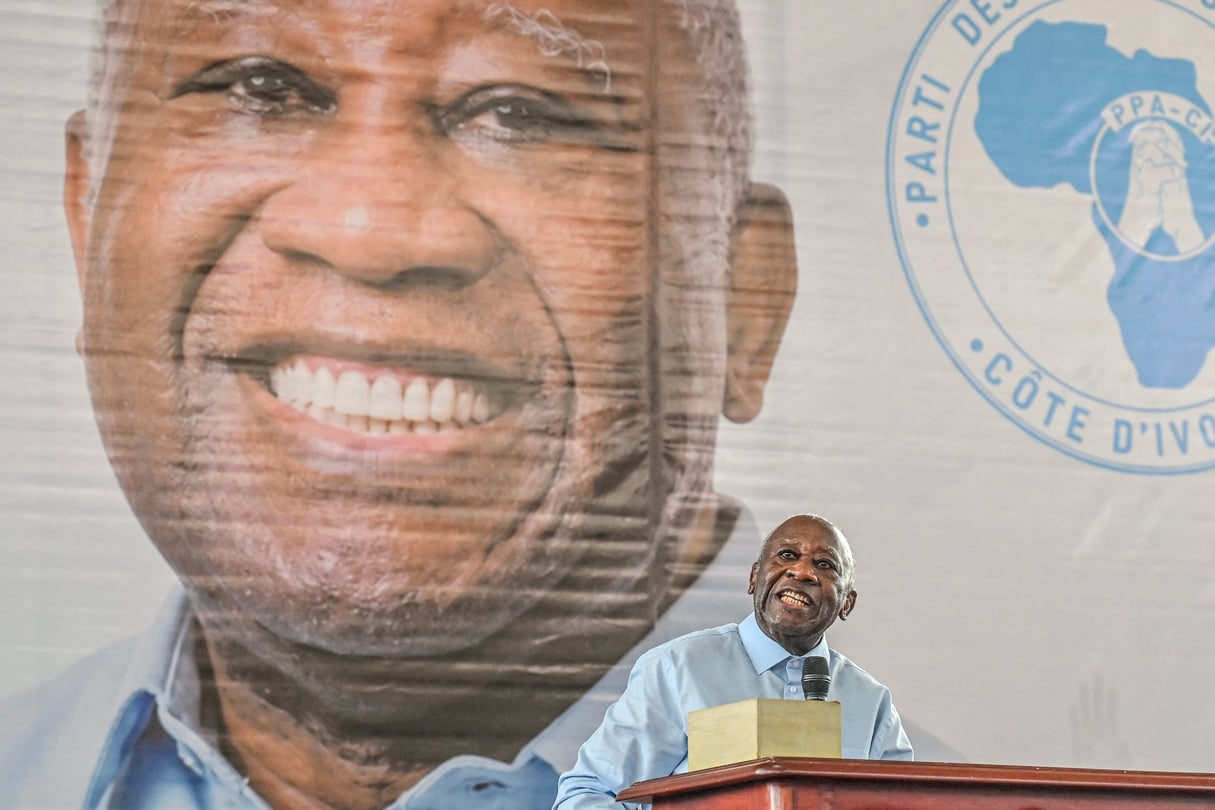
In a bold move to redefine his political party’s direction, Laurent Gbagbo, leader of the Parti des peuples africains-Côte d’Ivoire (PPA-CI), recently concluded a landmark congress in Abidjan. The event, held in mid-May 2026, marked a turning point in the party’s strategy, signaling a fresh approach to national and regional challenges.
The congress served as a platform for Gbagbo to unveil sweeping reforms within the PPA-CI, aiming to strengthen its structure and expand its influence across Côte d’Ivoire. Analysts view these changes as a strategic response to evolving political dynamics, both domestically and in neighboring West African nations.
reshaping the PPA-CI: key reforms and their implications
The restructuring efforts announced by Gbagbo focus on three core pillars: party governance, youth engagement, and policy alignment with contemporary national priorities. By introducing a new leadership framework, the PPA-CI seeks to streamline decision-making processes while fostering greater transparency.
Central to the reforms is the empowerment of young members, a demographic Gbagbo has long emphasized as vital to the party’s future. The congress highlighted the creation of specialized youth committees, designed to integrate fresh perspectives into the party’s agenda. This initiative reflects a broader trend in Ivorian politics, where generational shifts are reshaping traditional power structures.
Additionally, the party’s policy platform has been recalibrated to address pressing issues such as economic recovery, social cohesion, and regional stability. Gbagbo’s address underscored the need for a united front in tackling these challenges, emphasizing the PPA-CI’s commitment to inclusive governance.
the road ahead: challenges and opportunities
While the reforms have been met with optimism within party circles, the road to implementation is fraught with challenges. The PPA-CI faces stiff competition from established political rivals, and its ability to translate strategy into tangible results will be closely scrutinized in the coming months.
Moreover, the broader political climate in West Africa adds another layer of complexity. Regional instability and shifting alliances demand agile leadership, and Gbagbo’s party must navigate these waters with precision. Observers note that the success of these reforms could serve as a model for other opposition parties in the subregion.
As Côte d’Ivoire continues to position itself as a stabilizing force in West Africa, the PPA-CI’s evolution under Gbagbo’s guidance will be a key barometer of the country’s political trajectory. The party’s ability to adapt and innovate will determine its relevance in an increasingly competitive landscape.
For now, the stage is set for a new chapter in Ivorian politics, with Gbagbo at the helm of a party determined to carve out a fresh identity. The coming months will reveal whether these reforms can translate into real-world impact, reshaping not just the PPA-CI, but the political fabric of Côte d’Ivoire itself.