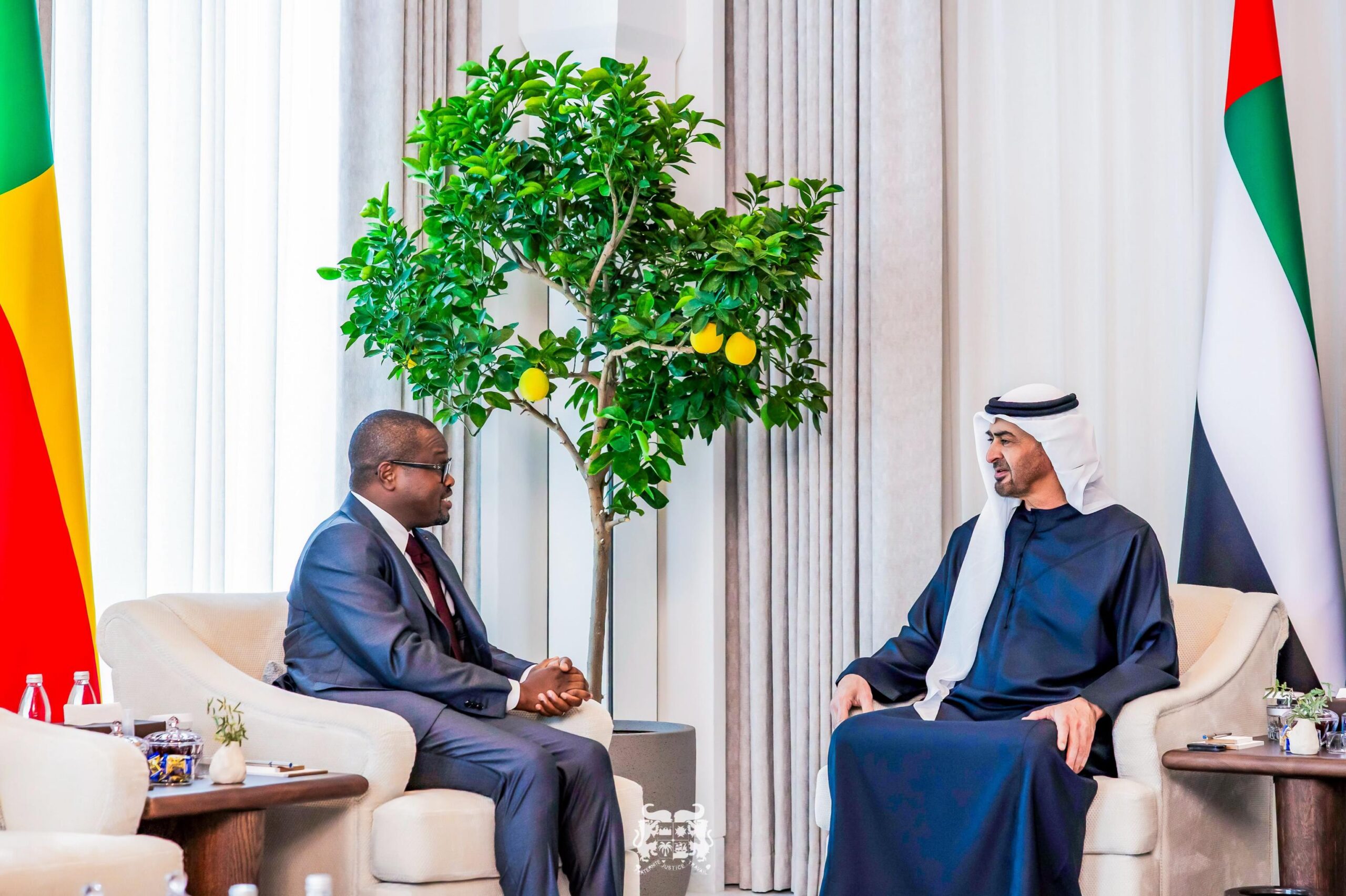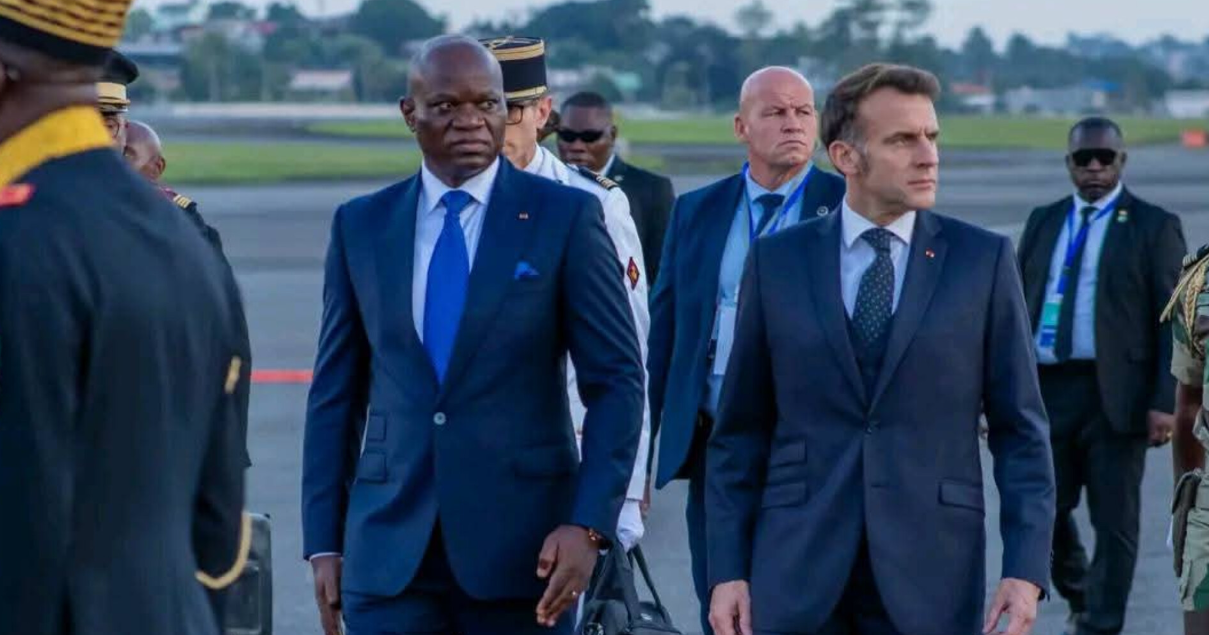
The President of Gabon, General Brice Clotaire Oligui Nguema, has concluded a landmark three-day state visit to France, where he redefined the country’s alliance with its former colonial power. The discussions with French officials centered on two pivotal issues: the future of the Camp de Gaulle military base and the transformation of Gabon’s manganese industry. Rather than embracing the confrontational approach seen elsewhere in Africa, Libreville opted for a measured strategy that balances sovereignty with pragmatic cooperation.
From military presence to mutual cooperation: reframing the Camp de Gaulle equation
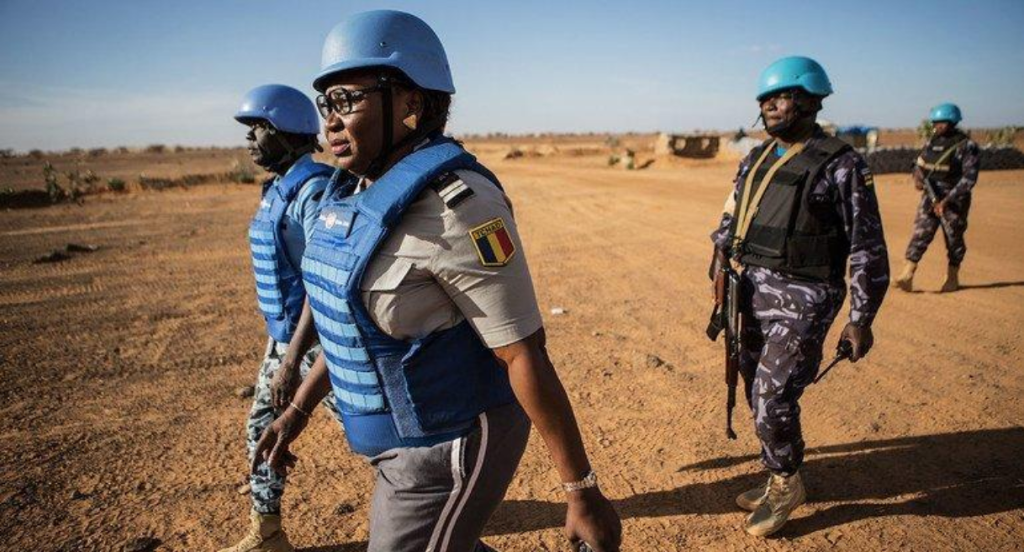
The future of the Camp de Gaulle base, home to the French military presence in Gabon, was a key topic during the summit. Once a symbol of France’s enduring influence, the base now faces a phased reconfiguration. Gabon is pushing for a transition from a traditional military footprint to a more limited, technical cooperation model—possibly transforming the base into a training hub under joint management or restricting French troops to counter-piracy operations in the Gulf of Guinea.
For Gabon, this represents more than just a military recalibration; it’s a demonstration of restored national sovereignty. Meanwhile, France seeks to adapt its strategy without alienating a critical regional ally, learning from past setbacks in neighboring countries. The delicate negotiation reflects a shared interest in maintaining stability while redefining the terms of engagement.
Manganese transformation: Gabon’s bold move toward industrial sovereignty
Economic sovereignty took center stage as Gabon pushed for a radical shift in its manganese sector. As the world’s second-largest producer of the mineral, Gabon has long exported raw ore to international markets. Now, Libreville is demanding structural change: local processing, equitable revenue sharing, and the creation of high-value industries that align with the global energy transition.
French mining giant Eramet, through its subsidiary Comilog, faced direct pressure to invest in Gabonese processing facilities. The Gabonese government insists on job creation for its youth and technological support to build advanced manufacturing plants. This push marks a decisive break from extractivist models, positioning Gabon to capitalize on the surging demand for manganese in electric vehicle batteries.
Gabon’s pragmatic path: rejecting Sahel’s confrontational model
The Gabonese approach stands in stark contrast to the anti-Western rhetoric and abrupt ruptures adopted by the Alliance of Sahel States (AES). While Bamako, Niamey, and Ouagadougou have severed ties with former partners, Gabon has chosen a path of negotiation, economic diversification, and selective engagement with the West.
By maintaining dialogue with France while expanding partnerships with China, Turkey, and India, Libreville demonstrates that sovereignty and cooperation are not mutually exclusive. This Realpolitik approach challenges the narrative that African nations must choose between Western alignment and assertive independence—a choice that often leads to economic isolation and instability.
The paradox of Gabon’s diplomatic success and domestic tensions
Despite Gabon’s diplomatic achievements abroad, internal challenges cast a shadow over its international image. Frequent internet restrictions and social media blackouts have raised concerns about democratic backsliding. The government justifies these measures as necessary for public order and combating misinformation, but critics argue they undermine the very sovereignty Libreville claims to champion.
Observers note a growing disconnect between Gabon’s outward-facing pragmatism and its inward-facing restrictions. The delicate balance between stability and freedom of expression remains a critical test for President Oligui Nguema, who must prove that Gabon’s diplomatic assertiveness is matched by domestic openness.
The road ahead: balancing sovereignty and stability
As the state visit concludes, Gabon’s strategy appears clear: redefine partnerships without rupture, reclaim economic control without isolation, and assert sovereignty without confrontation. The success of this vision hinges on two fronts—delivering on international commitments while ensuring that democratic freedoms at home keep pace with the country’s global ambitions.
For Gabon, the challenge now is to translate diplomatic triumphs into tangible progress, proving that sovereignty and cooperation can coexist in a rapidly evolving geopolitical landscape.