Gabon and DRC: Strengthening bonds during President Tshisekedi’s visit to Libreville
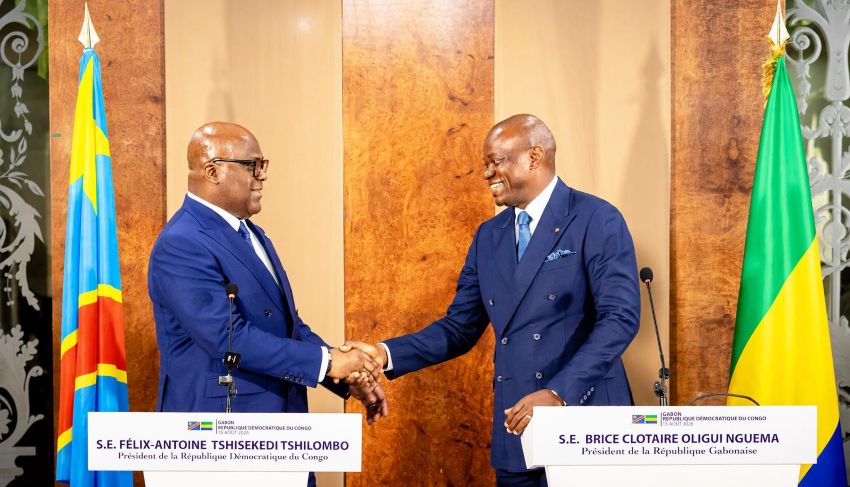
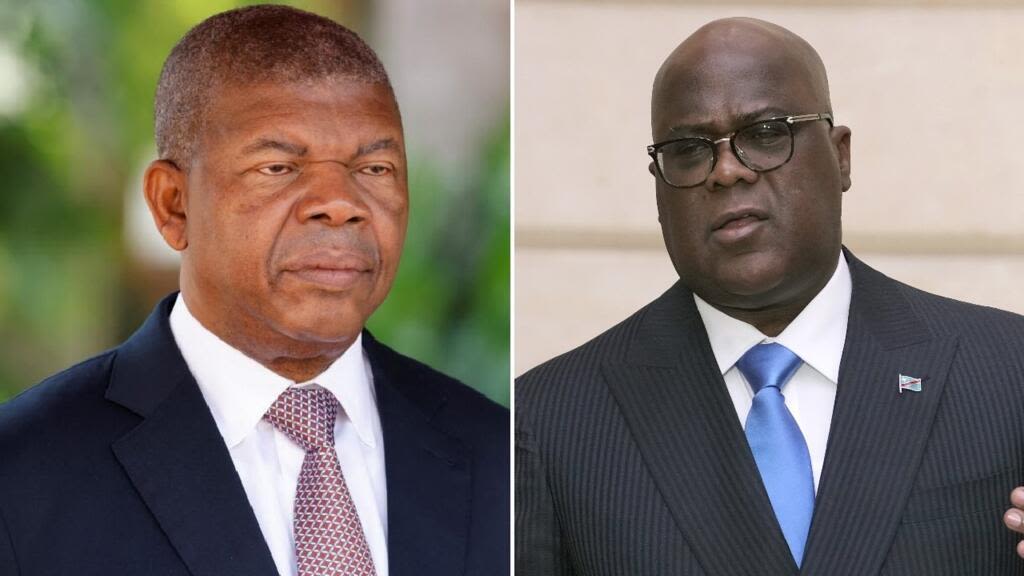
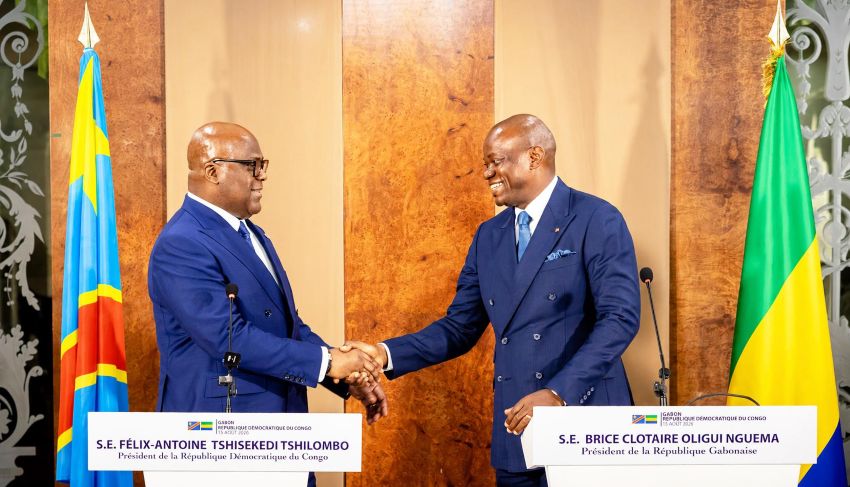
Libreville, Gabon — The official visit of Félix-Antoine Tshisekedi Tshilombo to Libreville on August 15, 2026, transcended typical diplomatic courtesy. The exchanges between the President of the Democratic Republic of the Congo (DRC) and Gabon’s President Brice Clotaire Oligui Nguema underscored a shared ambition: to elevate bilateral relations into a powerful driver of economic transformation, regional stability, and African solidarity.
Three landmark agreements emerged from these high-level talks, giving substance to this forward-looking vision.
The timing of the visit held special significance, coinciding with Gabon’s 66th Independence Day celebrations. More than a diplomatic gesture, the meeting symbolized deep-rooted ties between the two nations, while showcasing a commitment to long-term cooperation across critical sectors.
The discussions spanned a wide range of priorities: agriculture, infrastructure, transportation, energy, mining, health, education, vocational training, digital innovation, and culture. At the heart of these deliberations lay a unifying principle: both countries possess vast resources, yet their true potential lies in local value addition, job creation, and fostering the free flow of African expertise, capital, and knowledge.
Turning historical ties into economic momentum
Both leaders emphasized accelerating the local processing of natural resources—a strategic move to reduce reliance on raw material exports and build higher-value economies at home. President Oligui Nguema highlighted Gabon’s ongoing reforms in digital transformation, women’s empowerment, youth employment, living conditions, and natural resource enhancement. President Tshisekedi welcomed these initiatives and reiterated Kinshasa’s eagerness to deepen collaboration with Libreville.
Yet economic cooperation is just one pillar. Security challenges—including transnational organized crime—regional integration, and the imperative of peace and stability were also on the agenda. Their shared focus extended to the Congo Basin, a vital ecological zone requiring cross-border solutions for sustainable protection.
Climate financing, particularly through carbon taxation mechanisms, emerged as another potential area of synergy. As African nations seek greater recognition for their climate contributions, a united stance from Gabon and the DRC could strengthen their negotiating position on the global stage.
Their partnership also resonates continentally. Gabon is seeking DRC support for its candidacy to the International Telecommunication Union (ITU) Council during the Doha elections in November 2026, as well as its bid to host the African Union Summit in 2027. For Libreville, success in these bids would mark a significant return to hosting a major continental event, nearly half a century after Libreville last chaired such a summit in 1977.
Three agreements to turn intent into action
The true value of the visit lies in the concrete commitments formalized between the two states. The first agreement outlines cooperation across justice, environment, health, and mining, with a strong emphasis on local resource processing. The second introduces visa exemptions for holders of diplomatic and official passports. The third establishes a framework for regular diplomatic and political consultations.
A joint commission will oversee implementation—a critical test of whether these agreements translate into tangible projects, measurable investments, and visible benefits for both populations. African diplomacy has no shortage of signed accords; what it often lacks is follow-through.
The visit concluded with a moment of reflection at Libreville’s Sainte-Marie Cathedral, evoking memories tied to a historic 2018 mass in honor of the late Étienne Tshisekedi. Yet beyond symbolism, the focus remains on what’s next: transforming historical proximity into collective strength.
Gabon and the DRC now have a framework; the joint commission must set the pace. Africa’s future does not depend on declarations of solidarity alone, but on organized action, sustainable financing, and measurable outcomes. Between Libreville and Kinshasa, the time for deeds has arrived.