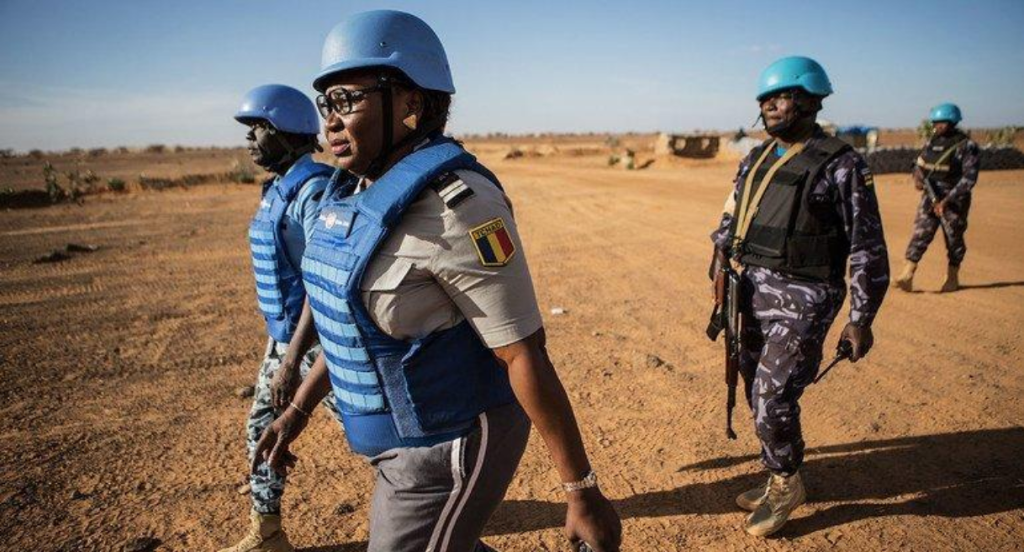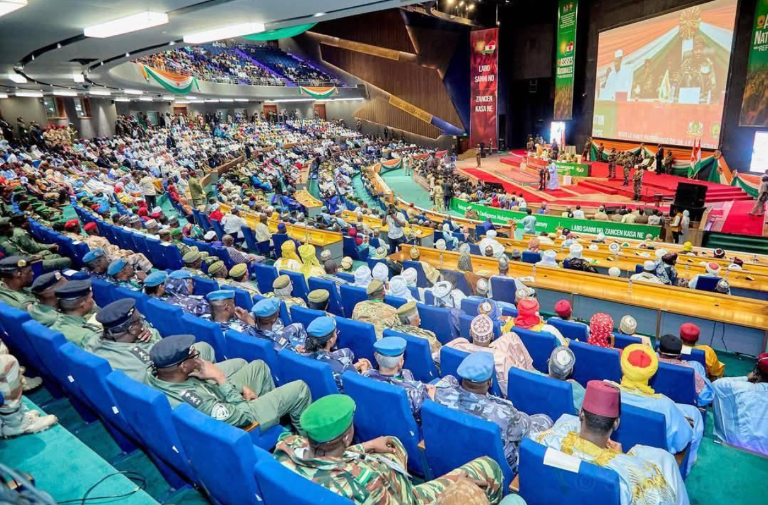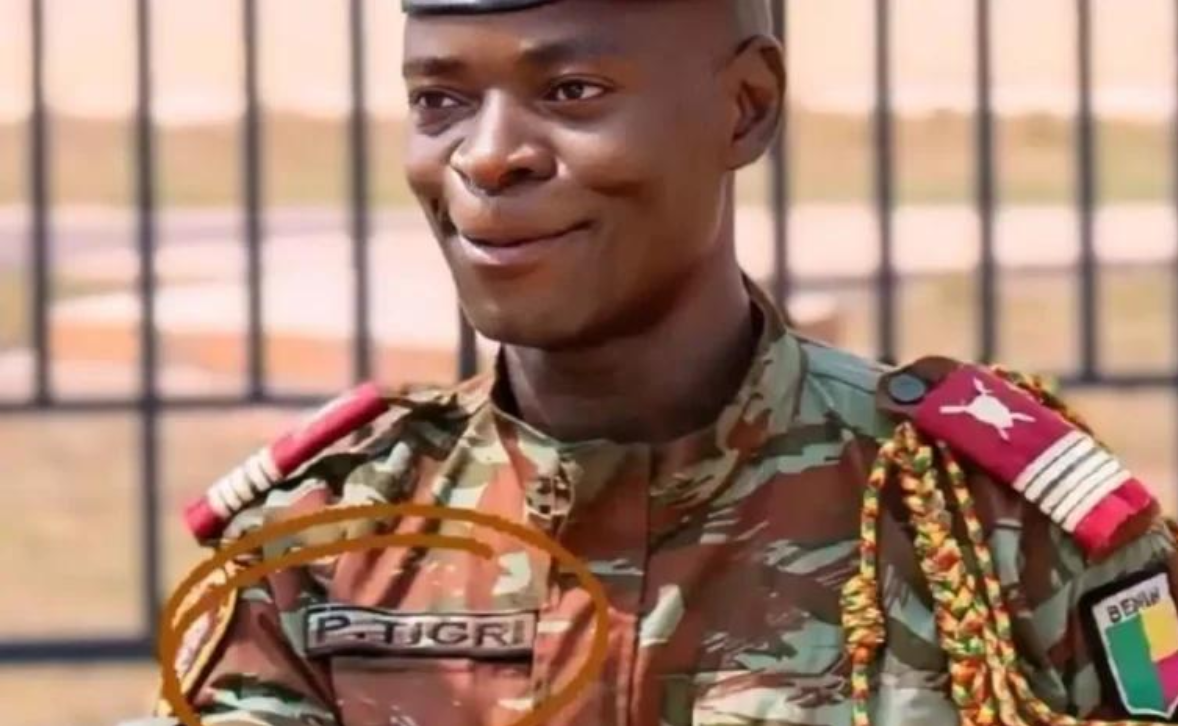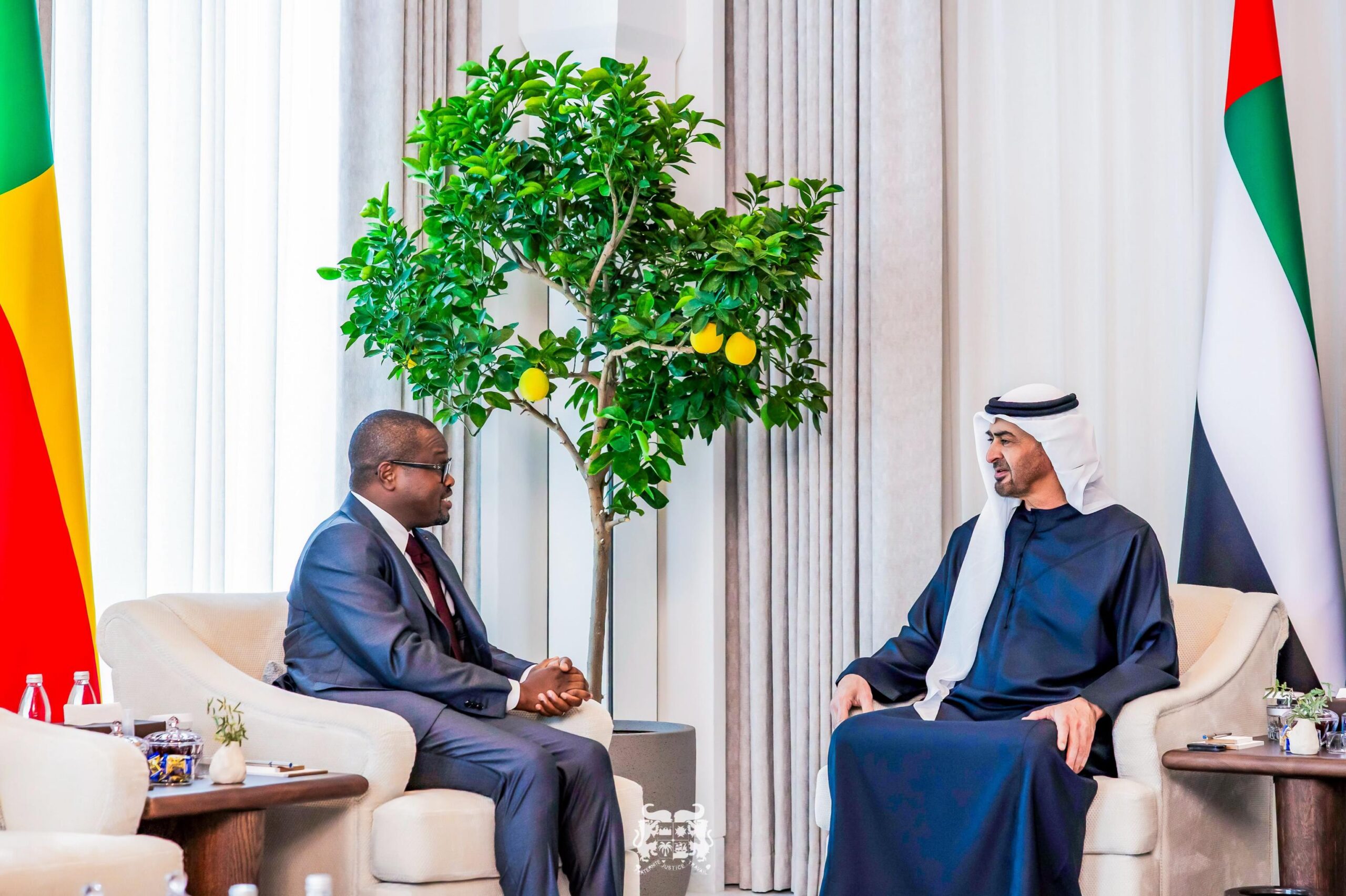
The northern reaches of Togo find themselves on the front line of a growing terrorist threat emanating from the Sahel region. Amid this escalating security challenge, the unconfirmed presence of foreign military and paramilitary forces has ignited a heated national debate in Lomé. In a joint statement issued on July 20, 2026, a coalition of opposition groups and civil society movements has taken the government of President Faure Gnassingbé to task, demanding transparency regarding the deployment of foreign troops and security contractors on Togolese soil.

Coalition demands answers from government over foreign military presence
The political temperature in the Togolese capital has risen sharply following a unified statement from a broad alliance of opposition parties and civic movements. The coalition, which includes the Dynamique Monseigneur Kpodzro (DMK), the Dynamique pour la majorité du peuple (DMP), the Lumière pour le développement dans la paix (LDP) movement, and the ‘Touche pas à ma Constitution’ Front, has broken months of silence to challenge the government’s opaque handling of foreign troop deployments.
Central to their concerns is the reported presence of foreign military and paramilitary personnel—particularly in the northern Savanes region, bordering Burkina Faso—an area increasingly targeted by armed terrorist groups. The opposition argues that the absence of official communication cannot be justified by security imperatives alone. With the government remaining silent on the matter, these political and civic organisations are insisting on a transparent disclosure of the legal framework, mission parameters, and operational status governing the stay of these foreign personnel.
Controversial actors under scrutiny: Africa Corps and SADAT
The coalition’s statement zeroes in on two highly contentious security actors whose engagements in the Sahel and Gulf of Guinea have drawn international attention.
First, the opposition points to the Africa Corps, the restructured Russian security presence in Africa, which is alleged to have deployed around 350 Russian personnel in Togo. Second, the Turkish private military company SADAT—widely believed to maintain close ties with Ankara—is suspected of providing technical assistance, training, or operational support to local security forces. Despite repeated calls for clarification from Lomé, Moscow, and Ankara, no official figures or confirmations have been issued, leaving room for speculation about the true nature of these teams’ activities. Are they merely technical advisors, intelligence experts, or combat units actively involved in tactical operations?
Sovereignty, legality, and financial accountability take center stage
While the opposition does not outright reject the principle of strategic partnerships to safeguard national territory, it highlights critical gaps in institutional and legal oversight that undermine good governance.
Chain of command and legal compliance
The opposition insists on ironclad guarantees that all foreign personnel must operate strictly under the command of the Togolese Armed Forces (FAT) and in full compliance with national and international laws. This demand reflects deep concerns over the potential erosion of state authority and the unchecked influence of external actors.
Protecting civil liberties
Another major concern outlined in the joint communiqué is the risk of foreign interference in domestic political affairs. The coalition firmly opposes any involvement of foreign troops or advisors in public order operations, targeted arrests, surveillance, or intimidation of civilians and local political figures. Such measures, the opposition warns, could undermine democratic freedoms and fuel internal unrest.
The financial burden on taxpayers
The opposition is also demanding full transparency on the financial implications of these foreign security arrangements. With no parliamentary debate or public scrutiny over the budgetary allocations for these services, citizens’ groups are calling for a right to oversight over how public funds are being spent on foreign security contracts.
Gnassingbé’s shifting security alliances
While the government has yet to respond publicly to the coalition’s demands, the reported deployment of foreign forces aligns with a broader diplomatic realignment that President Faure Gnassingbé has pursued over recent years. Facing limitations in cooperation with traditional Western partners, Lomé has increasingly diversified its defense alliances to bolster regional security.
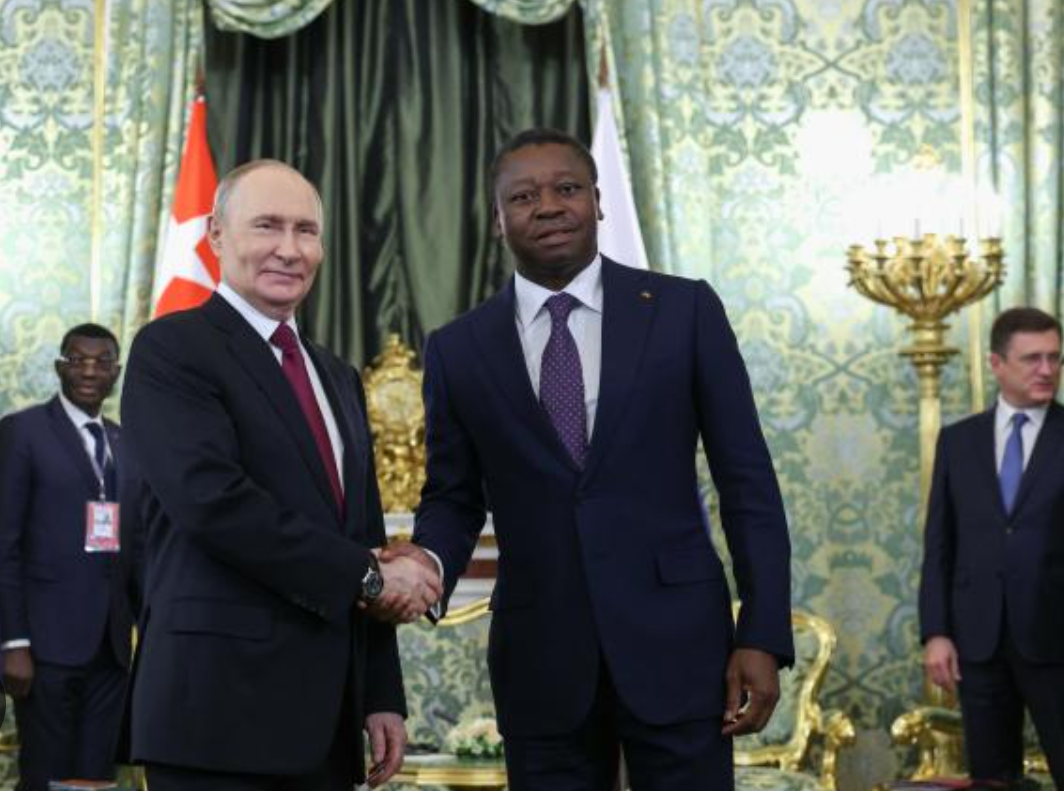
Since 2021, Togo has signed a comprehensive military cooperation agreement with Turkey, resulting in the delivery of Bayraktar TB2 combat drones—critical assets for border surveillance in the northern regions. Concurrently, strengthened ties with Russia have materialised through agreements on military intelligence sharing, officer training, joint exercises, and access to strategic logistical infrastructure. These developments are now formally embedded in the Togo-Sahel Strategy 2026-2028, a government roadmap aimed at deepening security cooperation with foreign partners. The stated goal is to secure the national territory and stem the advance of jihadist groups toward the Atlantic coast.
Calls for a national debate grow louder
The issue of deploying foreign troops or advisors transcends technical military considerations. In a Sahel region marked by political turbulence and shifting geopolitical alliances, clarity and transparency are becoming essential for political stability.
For Togolese civic movements and opposition groups, national security decisions must not be made behind closed doors. Opening a parliamentary or public debate would help ease tensions, clarify the legal basis for foreign interventions, and prevent security cooperation from becoming a source of domestic political friction. For now, all eyes remain on the government, as citizens await urgent clarifications on the way forward.