Félix Tshisekedi’s third term bid in DRC: constitutional court decision ignites political debate
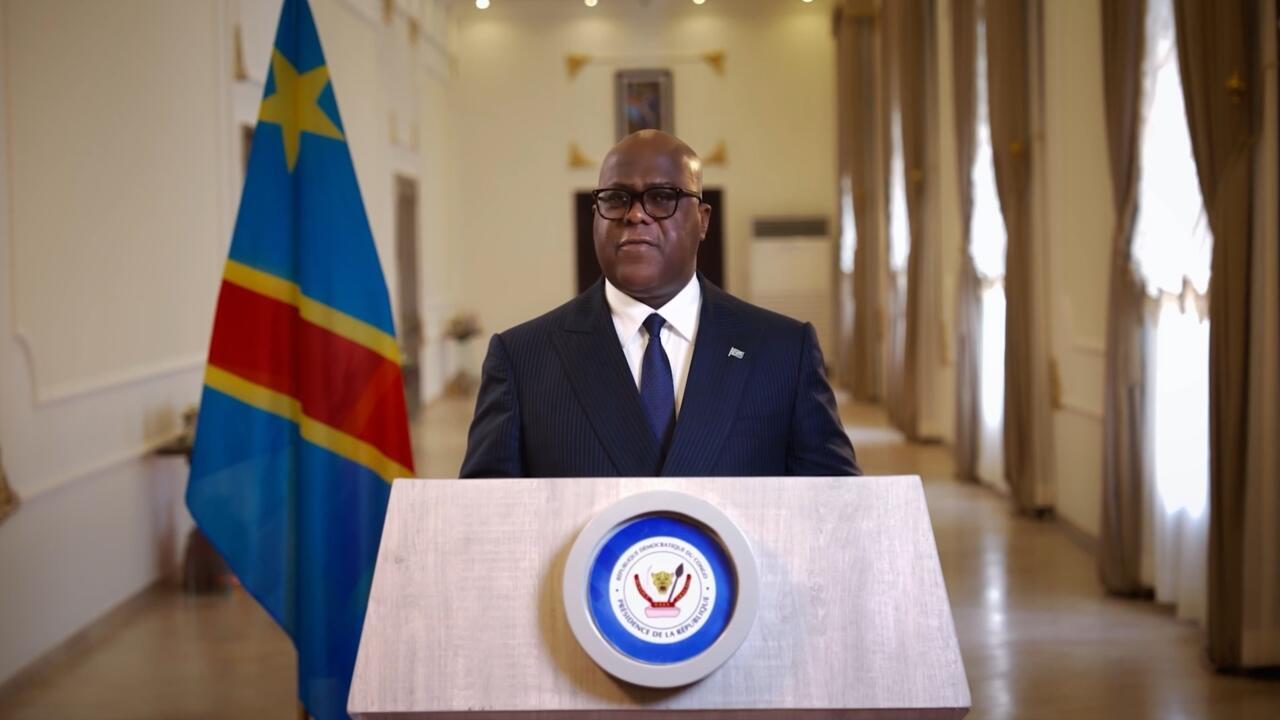
The uncertainty surrounding a crucial legislative development in the Democratic Republic of Congo has finally dissipated. The Constitutional Court in Kinshasa recently affirmed the legality of the law governing the organization of a national referendum.
This judicial endorsement, however, has intensified a profound political rift within the Congolese political landscape. Opponents fear this legislation could pave the way for constitutional amendments, potentially extending the head of state’s tenure. Conversely, the presidential camp vehemently dismisses such interpretations, asserting that the reform aims solely to enhance institutional functionality.
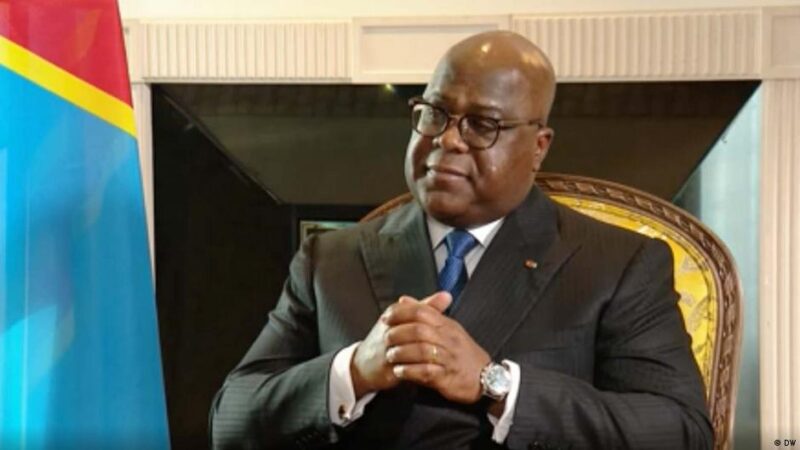
President Félix Tshisekedi, 63, who assumed power in the DRC in 2019, is set to conclude his second term by the end of 2028. The current Congolese Constitution explicitly prohibits any revision to the number or duration of presidential terms. Yet, during a rare press conference in early May, President Tshisekedi stated he had “not sought a third term” but added that “if the people desire a third mandate for me, I will accept.”
Opposition stands firm
A significant milestone has now been reached. With the referendum law already passed by the National Assembly and approved by the Senate, President Félix Tshisekedi now possesses the authority to promulgate it, marking a pivotal step forward. This development has galvanized the opposition, which views the promulgation of this law as a potential precursor to a constitutional overhaul, allowing President Tshisekedi to reset his term count and seek a third mandate. Such an outcome is deemed unacceptable by the opposition, which has been actively mobilizing for weeks to thwart any attempts at constitutional revision. While the Congolese government has offered no official statements to substantiate the opposition’s apprehension, President Tshisekedi himself hinted weeks ago that he would not decline a third term if it were the will of the people.
The Catholic Church also weighs in
The influential Catholic Church in the DRC has also voiced its opposition to any constitutional alterations. The Cenco, the Episcopal Conference of Congo, representing bishops from across the nation, issued a definitive statement condemning the president’s proposed constitutional changes. The Congolese prelates unequivocally declared that they perceive “neither the necessity, nor the urgency, nor the opportunity to modify the Constitution.” This represents a clear rejection of a move widely seen as enabling a third presidential term. The Catholic prelates’ consistent stance echoes their significant role in 2018, when church-backed demonstrations successfully pressured then-President Joseph Kabila to abandon his aspirations for a third term, which the Constitution also forbade. Under intense public and international pressure, coupled with sanction threats, Kabila reluctantly conceded.
Dialogue: an uncertain path
The contentious constitutional debate might feature in a prospective political dialogue anticipated in the coming weeks, though many aspects remain uncertain. President Tshisekedi has tasked religious denominations with organizing this political dialogue, yet its precise framework, including whether it will genuinely include all key players in the Congolese crisis, such as former President Kabila, is still unclear. Disagreements persist regarding the dialogue’s agenda: the government prioritizes national cohesion against Rwandan aggression, while the opposition remains steadfastly focused on preventing constitutional amendments. The head of state has reportedly expressed a willingness to discuss “all matters of national interest,” suggesting the constitutional debate would not be off-limits. However, a critical challenge remains: avoiding the common pitfall where ruling powers exploit such dialogues to weaken opposition through repeated power-sharing offers.