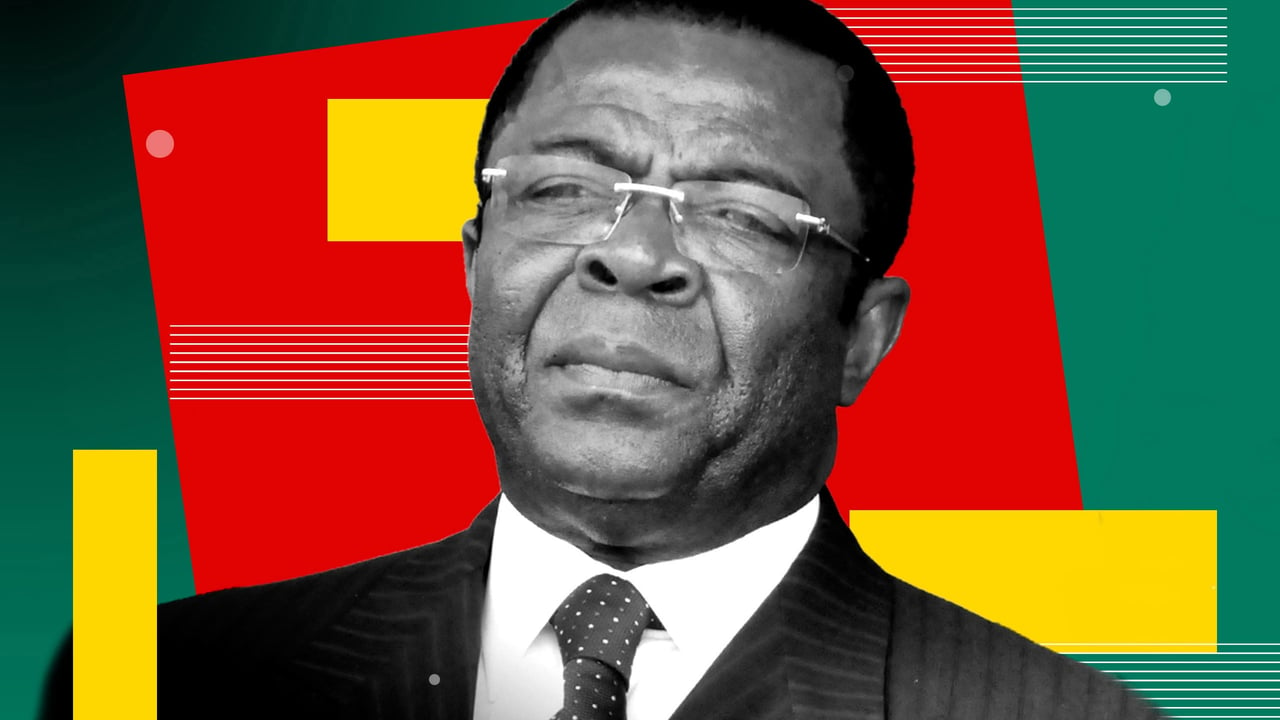
From trusted lieutenant to political exile: the dramatic unraveling of Edgar Alain Mebe Ngo’o
Once considered one of Cameroon’s most formidable political operators, Edgar Alain Mebe Ngo’o’s career reached its zenith under President Paul Biya’s long reign. As a sécurocrate—a security technocrat who wielded both political and military influence—he epitomized the inner circle’s shifting loyalties. Yet today, his name stands as a cautionary tale of power’s fleeting nature in Yaoundé’s corridors of influence.
Mebe Ngo’o’s trajectory mirrors that of other once-dominant figures who gambled on political ascendancy only to face abrupt reversals. His story is woven into the fabric of Cameroon’s post-independence power dynamics, where proximity to the presidency is both a privilege and a peril.
A career forged in the shadows of power
Mebe Ngo’o’s ascent was no accident. A career military officer, he transitioned seamlessly into the political sphere, leveraging his strategic acumen and unyielding loyalty to Paul Biya. His appointment to key security portfolios—including the influential role of Minister of Defense—cemented his reputation as a disciplined enforcer of the regime’s will.
Yet his influence extended beyond mere enforcement. As a trusted advisor, he played a pivotal role in shaping Cameroon’s security doctrine, particularly during periods of heightened instability along the country’s borders. His tenure coincided with critical junctures in the fight against Boko Haram in the Far North and separatist movements in the Anglophone regions.
The cost of ambition: a fall from grace
Power in Cameroon’s political landscape is a double-edged sword. Mebe Ngo’o’s downfall serves as a stark reminder of this reality. Once perceived as untouchable, his political capital eroded under circumstances that remain shrouded in mystery. Speculation abounds—personal rivalries, shifting alliances, or a miscalculation in his dealings with the presidency—yet the truth remains elusive.
His removal from office marked a turning point, signaling a broader purge of security officials deemed too powerful or insufficiently aligned with the regime’s evolving priorities. The abruptness of his exit left even seasoned observers stunned, underscoring the volatility of Cameroon’s political ecosystem.
Legacy: the fragility of Cameroon’s political elite
Mebe Ngo’o’s story is more than a personal tragedy; it is a reflection of Cameroon’s political culture. The rise and fall of its elite are governed by unwritten rules: loyalty is rewarded, but betrayal—or even the perception of it—is met with swift retribution. His case exemplifies the precarious balance between service and survival in a system where influence is as fragile as it is absolute.
For aspiring leaders in Cameroon, Mebe Ngo’o’s trajectory is a lesson in humility. Power, once held, is never guaranteed. The same corridors that once echoed with his name now stand silent, a testament to the ephemeral nature of political fortune in a nation where the stakes are always high, and the price of ambition is paid in full.