Diplomatic tensions over Western Sahara resurface in Dakar talks
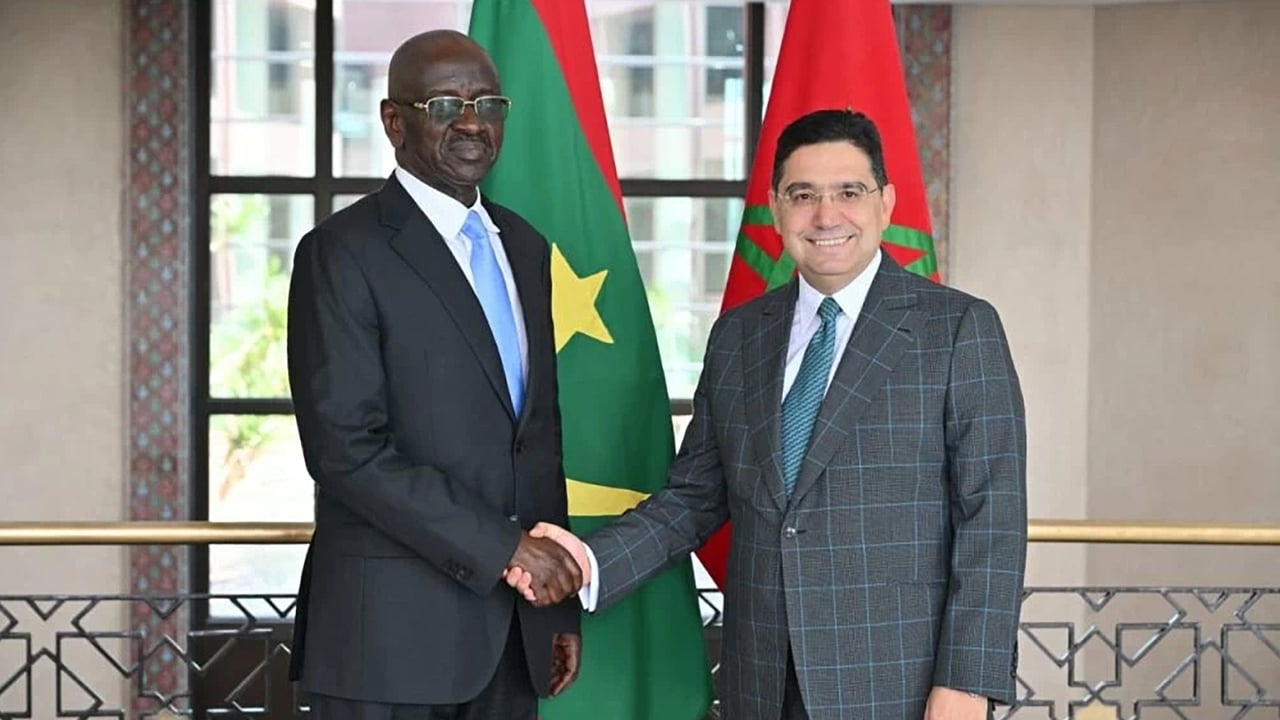

The recent diplomatic exchange in Dakar has reignited long-standing debates surrounding the Western Sahara conflict, drawing attention to the evolving geopolitical dynamics in the region. High-level discussions between Moroccan and Mauritanian officials have underscored the enduring sensitivity of this issue, which continues to shape international relations in North Africa.
Why Western Sahara remains a sticking point in Maghreb relations
The Western Sahara dispute has long been a flashpoint in diplomatic relations between Morocco and Mauritania. While both nations have historically maintained cautious stances on the matter, recent interactions suggest a shift in their positions. Observers note that the timing and context of these discussions in Dakar highlight the growing urgency to address the conflict’s lingering implications for regional stability.
Key figures from both countries convened to explore avenues for cooperation, but the shadow of Western Sahara loomed large over the talks. The unresolved status of the territory continues to influence bilateral and multilateral engagements, particularly in African diplomatic circles.
Diplomatic maneuvers and regional implications
The meeting in Dakar was not merely symbolic; it reflected a broader trend of intensified diplomatic activity across the Sahel and Maghreb regions. Both Morocco and Mauritania are recalibrating their foreign policies to align with evolving regional priorities, while the Western Sahara issue remains a critical factor in their calculations.
Analysts point out that the discussions in Dakar could pave the way for renewed mediation efforts, though the path forward remains fraught with challenges. The international community’s role in facilitating dialogue has been a subject of debate, with calls for a more inclusive approach to resolving the conflict.
What’s next for Morocco and Mauritania?
As the dust settles on the Dakar talks, both nations are assessing the outcomes of their engagement. While tangible progress may take time, the renewed focus on Western Sahara signals a potential shift in the diplomatic landscape. For Mauritania, balancing relations with Morocco while maintaining its own strategic interests will be crucial. Meanwhile, Morocco continues to advocate for its position on Western Sahara, leveraging its regional influence to garner support.
The evolving dynamics in the Sahel and Maghreb underscore the need for sustained dialogue and cooperation. Whether these talks will lead to a breakthrough remains uncertain, but one thing is clear: the Western Sahara issue is far from resolved, and its impact on regional relations will persist for years to come.