Constitutional court upholds law enabling Félix Tshisekedi’s third term
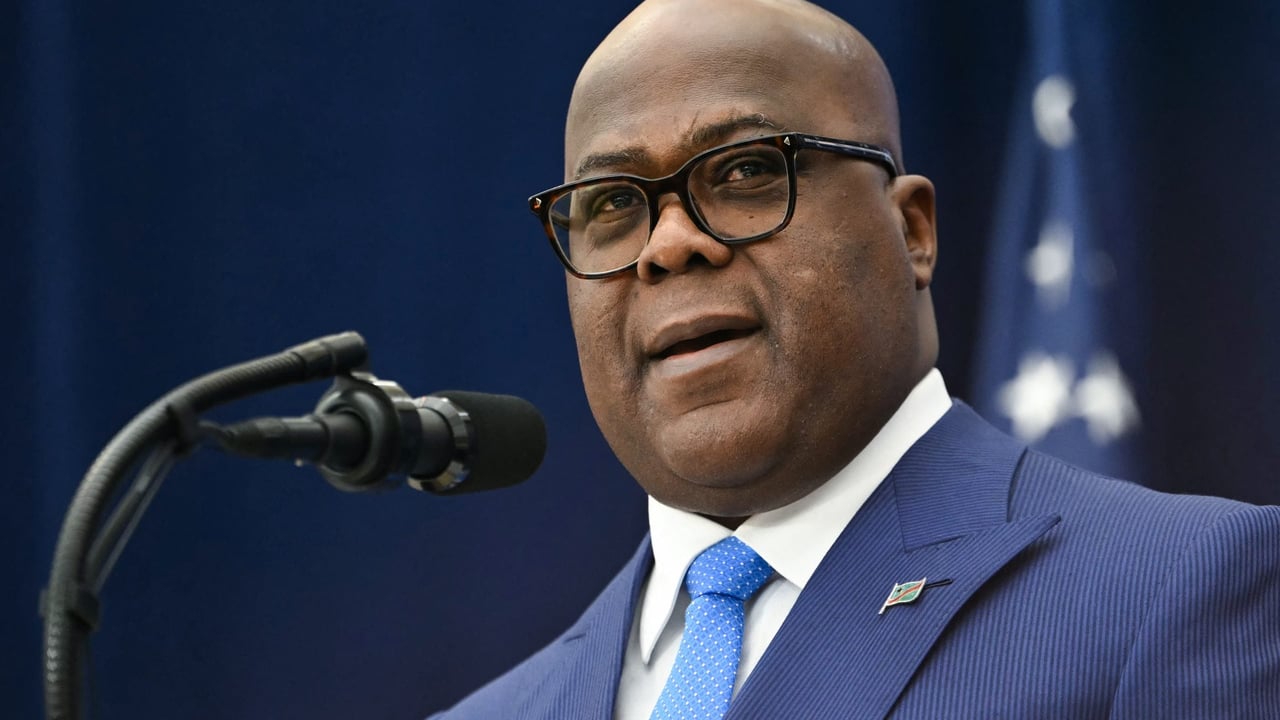
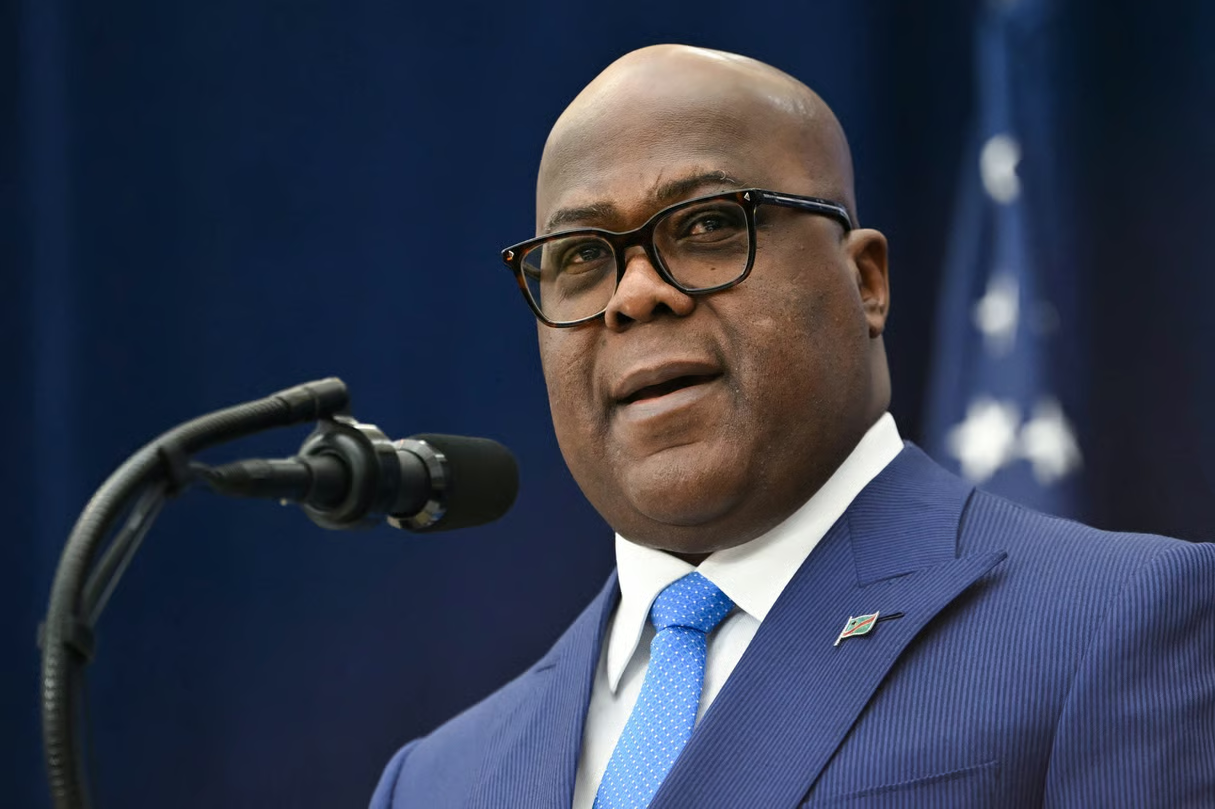
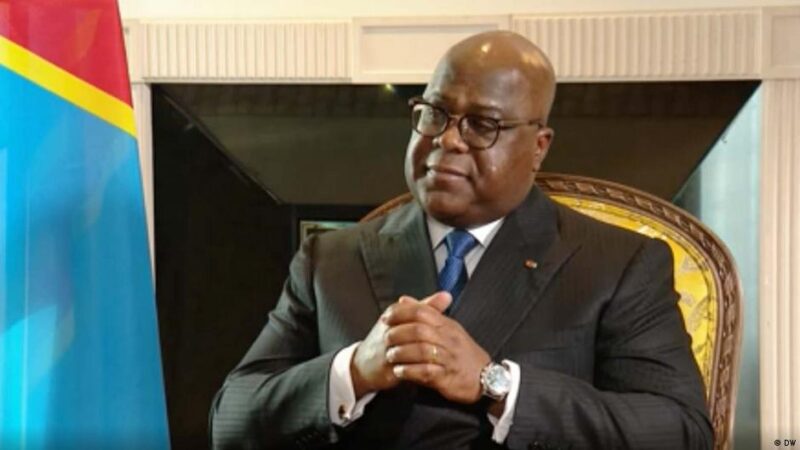
The Democratic Republic of the Congo’s Constitutional Court has delivered a landmark ruling, validating the newly enacted legislation that paves the way for President Félix Tshisekedi to seek a third consecutive term in office. This decision, handed down by the highest judicial authority in the country, marks a pivotal moment in the nation’s political trajectory.
The approved legal amendment, which modifies term limit provisions, has sparked intense debate across the country. Supporters of the move argue that it aligns with constitutional reforms aimed at modernizing governance, while critics warn of potential democratic backsliding. The ruling party has hailed the decision as a victory for stability and continuity, emphasizing the need for experienced leadership in challenging times.
Constitutional ruling sparks national debate
The court’s verdict has intensified discussions about the future of governance in the Democratic Republic of the Congo. Political analysts highlight the significance of this decision, noting that it could redefine the balance of power in the upcoming electoral cycle. Public reactions have been sharply divided, with protests erupting in several urban centers over the past week.
Opposition figures have condemned the ruling, describing it as a deliberate undermining of democratic norms. They argue that the amendment circumvents the spirit of the original constitution, which was designed to prevent prolonged executive dominance. Meanwhile, government officials have reiterated their commitment to peaceful transitions and adherence to legal frameworks, despite the controversy.
Implications for the 2026 elections
With the legal pathway now clear, Félix Tshisekedi’s eligibility for a third term has become a foregone conclusion. The decision places the country on the brink of a closely watched electoral process, expected to draw significant international attention. Regional observers are already assessing the potential impact on stability in Central Africa, given the Congo’s pivotal role in the region.
Election authorities have begun preparations to accommodate the revised electoral calendar, though concerns remain about logistical challenges and political polarization. Civil society groups have called for transparent processes to ensure free and fair elections, while urging restraint among all political actors.
Legal and political reactions
The Constitutional Court’s ruling has triggered a wave of responses from legal experts, who point to both procedural correctness and ethical concerns. Some constitutional lawyers argue that the amendment complies with formal legal requirements, while others question whether the changes reflect the true will of the Congolese people.
Political parties are now recalibrating their strategies ahead of the vote. The ruling party is expected to rally behind Tshisekedi’s candidacy, while opposition coalitions are exploring legal avenues to challenge the decision or mobilize public resistance. International partners, including regional blocs, have cautiously welcomed the court’s decision while urging adherence to democratic principles.
Looking ahead: challenges and expectations
As the Democratic Republic of the Congo prepares for another pivotal election, the nation faces a defining moment in its democratic journey. The upcoming vote will not only determine the country’s leadership but also test its institutions’ resilience in the face of political pressure.
Civil society organizations have intensified calls for electoral integrity, advocating for reforms that ensure inclusivity and transparency. Meanwhile, ordinary citizens are grappling with the implications of a third term, with many expressing hopes for economic progress and security improvements under continued leadership.