Chad’s fractured opposition struggles against Mahamat Idriss Déby’s grip
Amid a climate of tightening controls and deepening internal divisions, Chad’s political opposition finds itself increasingly marginalised under the leadership of Mahamat Idriss Déby Itno. The fragile balance of power that once defined the nation’s fragile democratic experiment is now under severe strain, as key opposition figures face mounting challenges to their relevance and influence.

Opposition under pressure: repression and fragmentation
Chad’s political arena has become a battleground where opposition movements are struggling to assert themselves. Under Mahamat Idriss Déby Itno’s transitional leadership, dissenting voices face systematic restrictions, from denied permits for public gatherings to legal harassment against prominent critics. The once-vibrant coalition of opposition parties, once united in their call for democratic reforms, now appears fractured, with infighting and competing agendas weakening their collective influence.
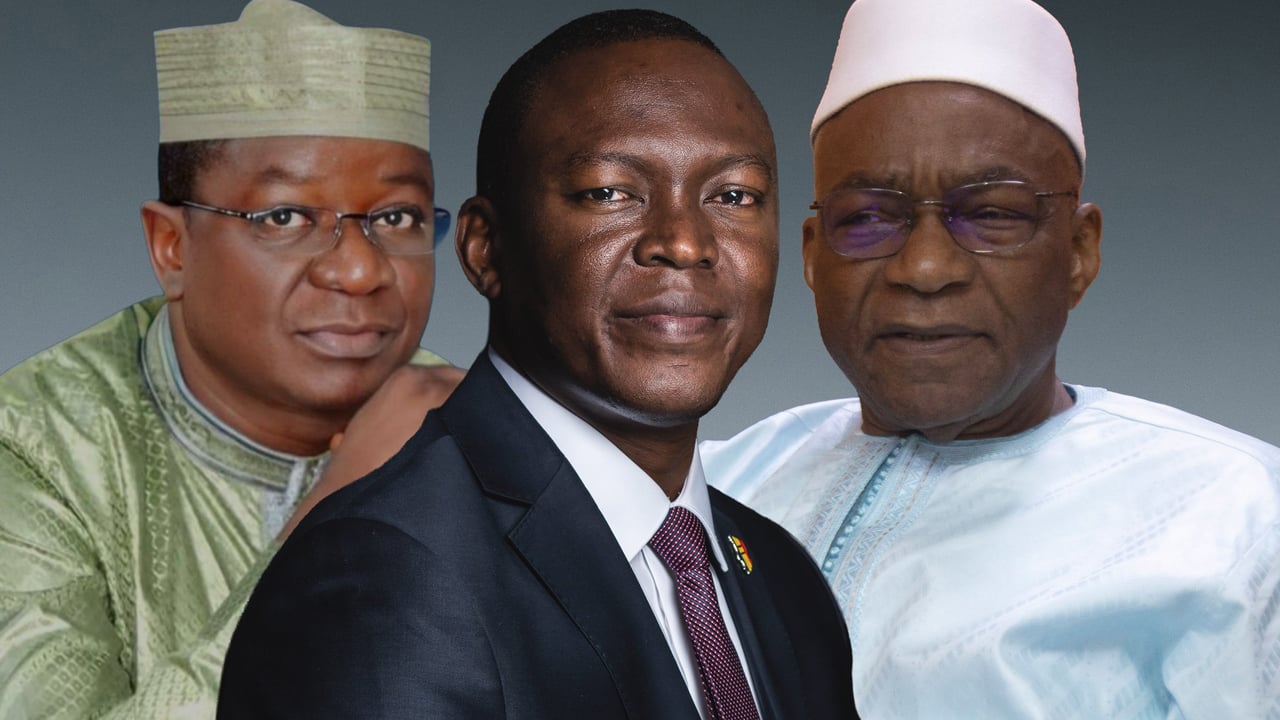
The crackdown on dissent has intensified in recent months, with security forces deployed to disperse gatherings and detain activists. Figures like Saleh Kebzabo, a long-time opposition leader, and Succès Masra, whose party gained traction just months ago, now find themselves navigating a landscape where political engagement carries significant risks. Their ability to mobilise support has been severely curtailed, leaving them scrambling to regain momentum.
Rival factions and shifting alliances
The opposition’s fragmentation is not just a result of external pressure but also stems from deep-seated divisions within its ranks. Internal power struggles have led to splinter groups forming alliances with the transitional government, creating a complex web of shifting loyalties. Albert Pahimi Padacké, a former prime minister and key political figure, has been at the center of these tensions, accused by some of prioritising personal ambitions over collective opposition goals.
These divisions have left voters disillusioned, uncertain about which opposition faction truly represents their interests. With each faction promoting its own vision, the opposition’s once-unified message has dissolved into a chorus of competing voices, further eroding public trust in the political process.
Government tactics: co-opting and silencing
Mahamat Idriss Déby Itno’s administration has employed a dual strategy to neutralise opposition threats. On one hand, it has offered olive branches to moderate factions, integrating them into government structures or co-opting them through political appointments. On the other, it has intensified crackdowns on more radical groups, using legal and security measures to suppress dissent.
This approach has yielded mixed results. While some opposition members have accepted government positions, others have doubled down on resistance, accusing the transitional authorities of undermining democratic principles. The government’s ability to divide and conquer has further weakened the opposition’s ability to challenge its authority, leaving the political future of Chad hanging in the balance.
What lies ahead for Chad’s opposition?
With the transitional government tightening its grip, the road ahead for Chad’s opposition appears increasingly bleak. The combination of repression, fragmentation, and co-optation has left many wondering whether a united front can ever be restored. For opposition leaders, the challenge is not just about surviving in a hostile environment but also about rebuilding a credible alternative to Mahamat Idriss Déby Itno’s rule.
As Chad navigates this period of uncertainty, the opposition’s ability to regroup and redefine its strategy will be crucial. Whether through grassroots mobilisation, international advocacy, or innovative political tactics, the stakes could not be higher—for both the nation’s democratic future and the stability of the Sahel region.