Cameroun: ruling party dismisses claims over president’s prolonged absence
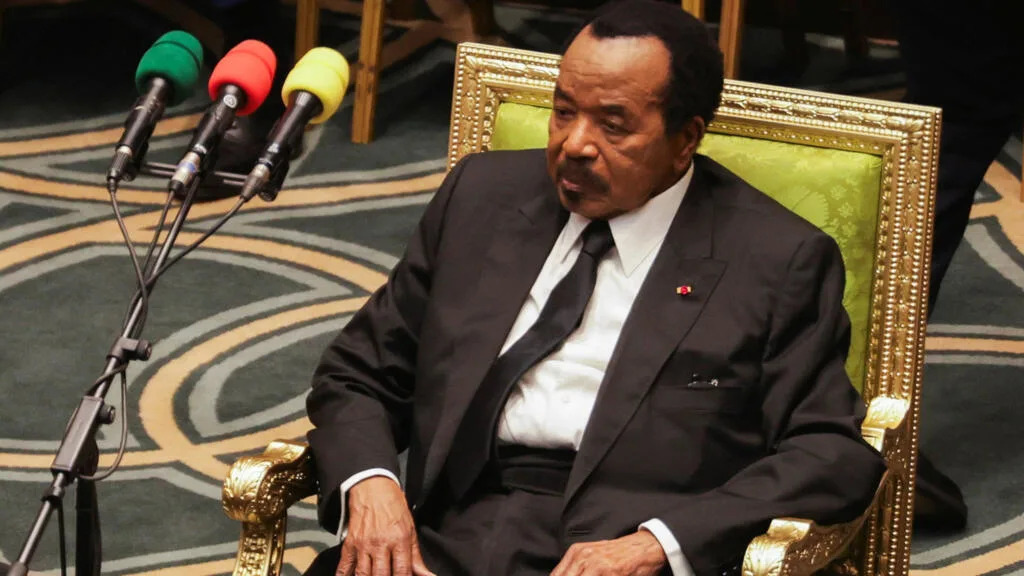
Addressing the ongoing debate about the presumed power vacuum, Jacques Fame Ndongo, Senior Minister and ruling party spokesperson, dismissed the claims as legally unfounded. He emphasized that Cameroonian law contains no provision specifying a maximum duration for the Head of State’s absence from national territory.
According to the Minister, any attempt to apply a non-existent constitutional rule to President Paul Biya would be an exercise in imaginative legal acrobatics. He described such arguments as fanciful interpretations of shifting sands, asserting that the Head of State remains fully engaged in governance.
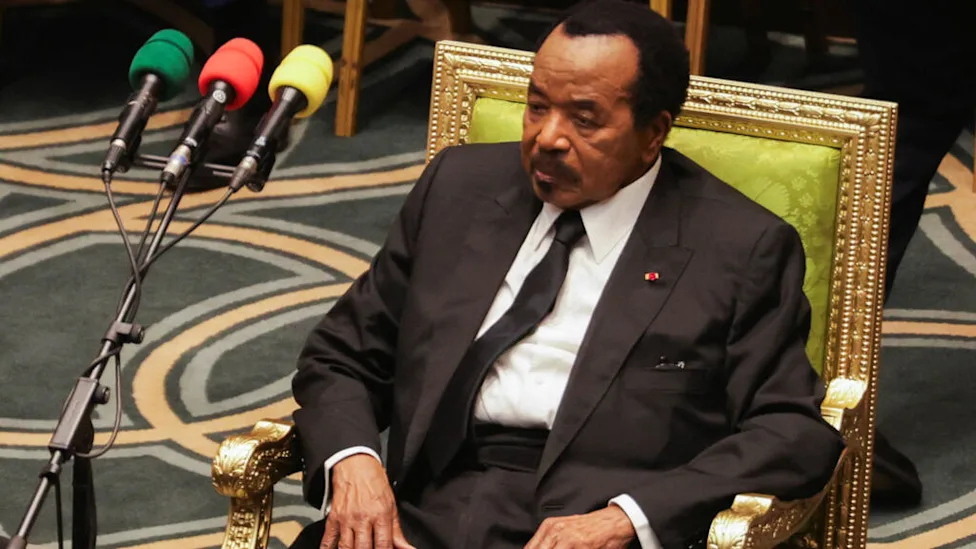
The 88-year-old leader, who has led the country since 1982, continues to oversee state affairs meticulously, whether through in-person consultations or digital means accessible to all citizens.
Opposition challenges the narrative of remote leadership
The Movement for the Renaissance of Cameroon (MRC), led by opposition figure Maurice Kamto, swiftly responded to the government’s statement. Mamadou Mota, the party’s vice-president, questioned the threshold at which physical absence from national soil would render supreme magistracy purely symbolic. Forty-five days abroad is not a working visit—it is de facto exile, he declared.
The MRC mocked the suggestion that Cameroon might be the world’s first nation governed through clandestine telecommuting, implying that President Biya was merely overseeing national affairs through digital channels while physically abroad.