Shared ambition, daunting challenges
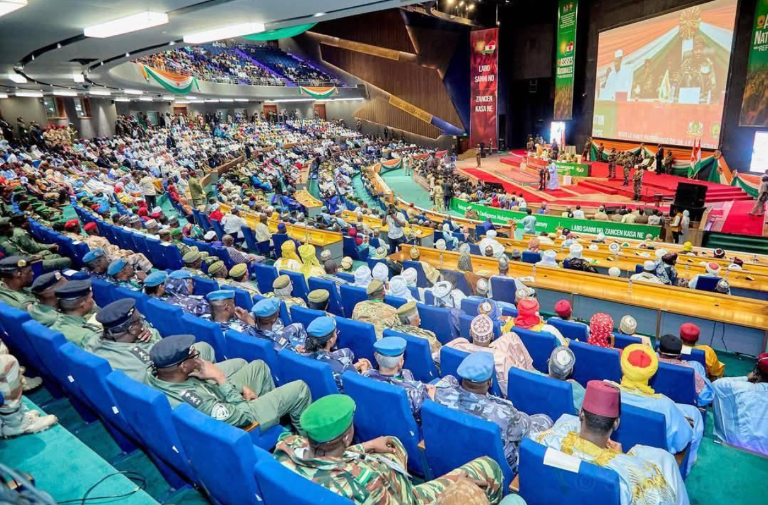
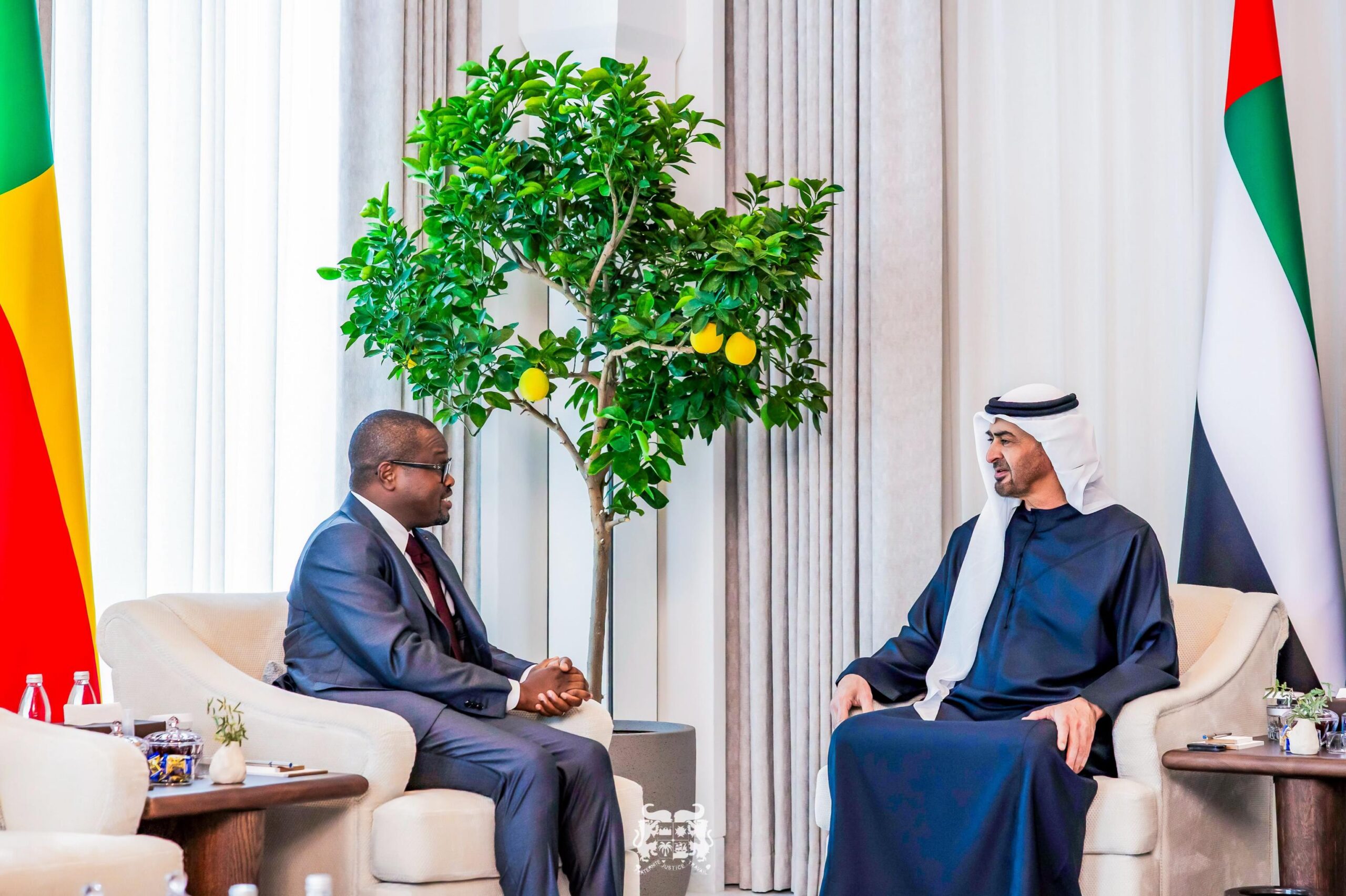
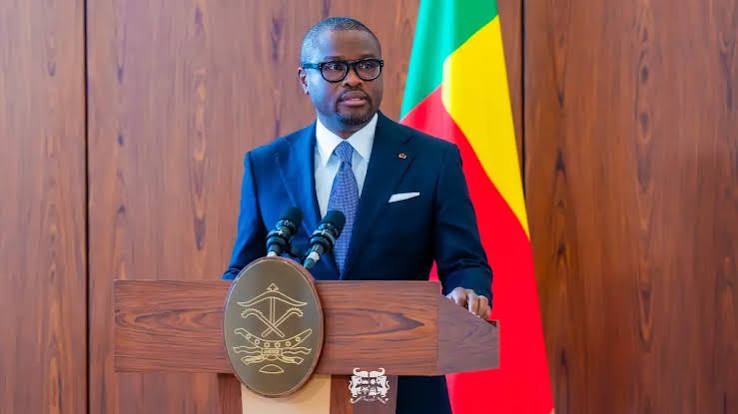
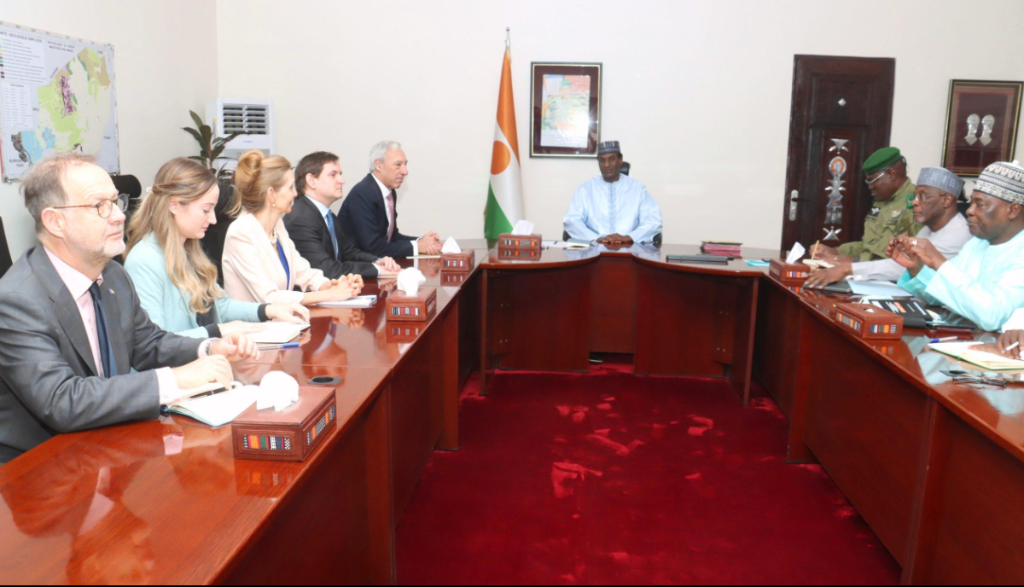
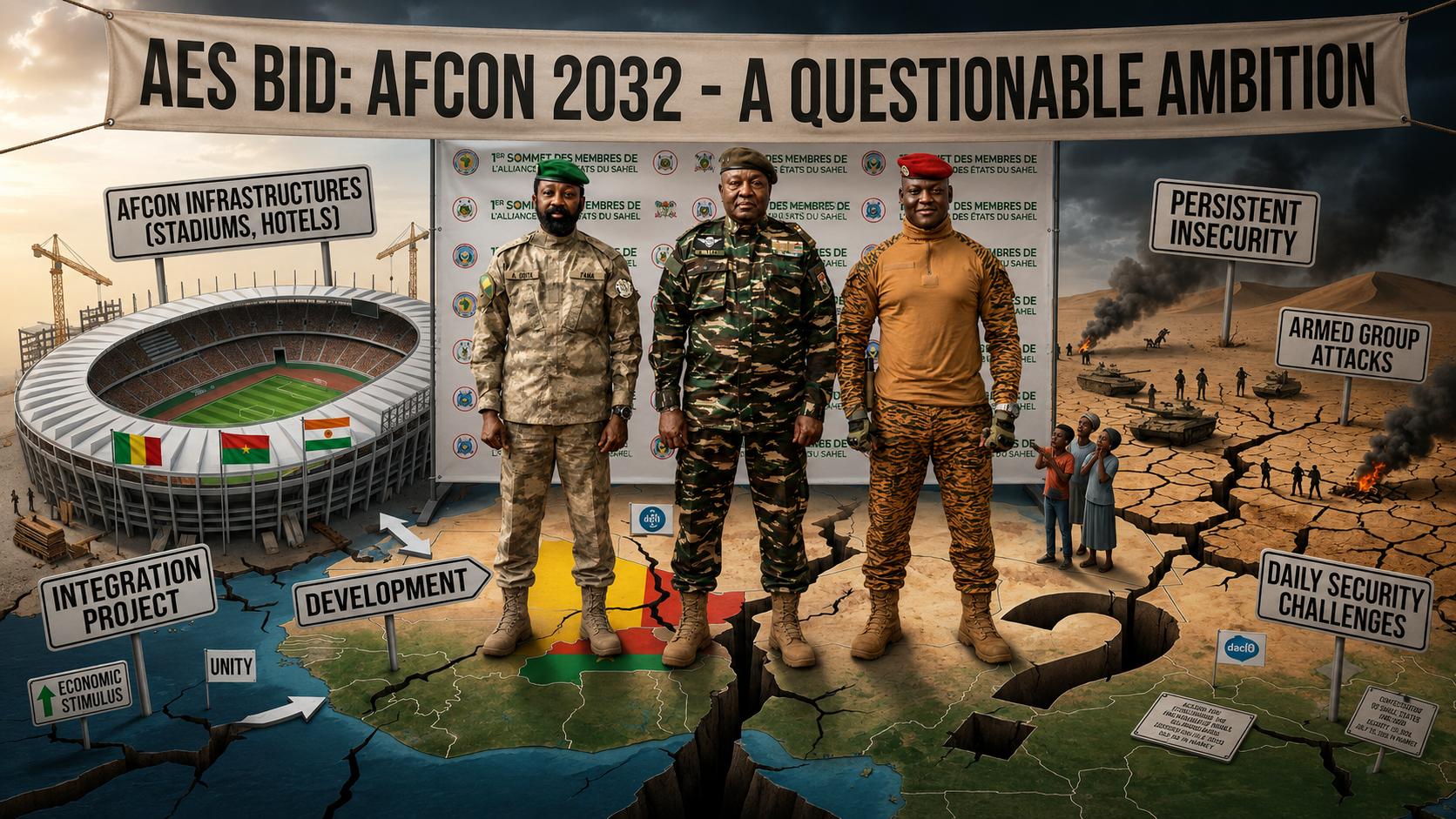
The Burkina Faso, Mali and Niger governments have formally submitted a joint bid to host the 2032 Africa Cup of Nations (AFCON). Framed as a symbol of unity within the Alliance of Sahel States (AES), the proposal aims to signal confidence across the continent. Yet beneath the diplomatic rhetoric lies a pressing question: do these three nations currently possess the minimum security and stability required to stage Africa’s premier football tournament?
Hosting an AFCON is not merely about erecting or refurbishing stadiums. It demands an environment capable of safeguarding athletes, officials, journalists, fans and the tens of thousands of visitors expected to converge over several weeks. On this critical front, the joint bid raises serious doubts.
Security deficits overshadow sporting ambition
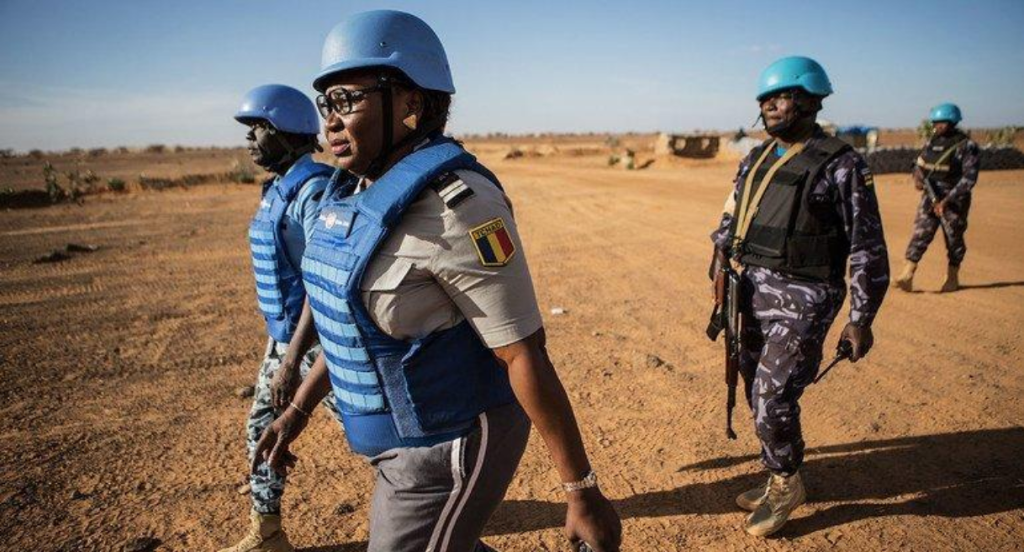
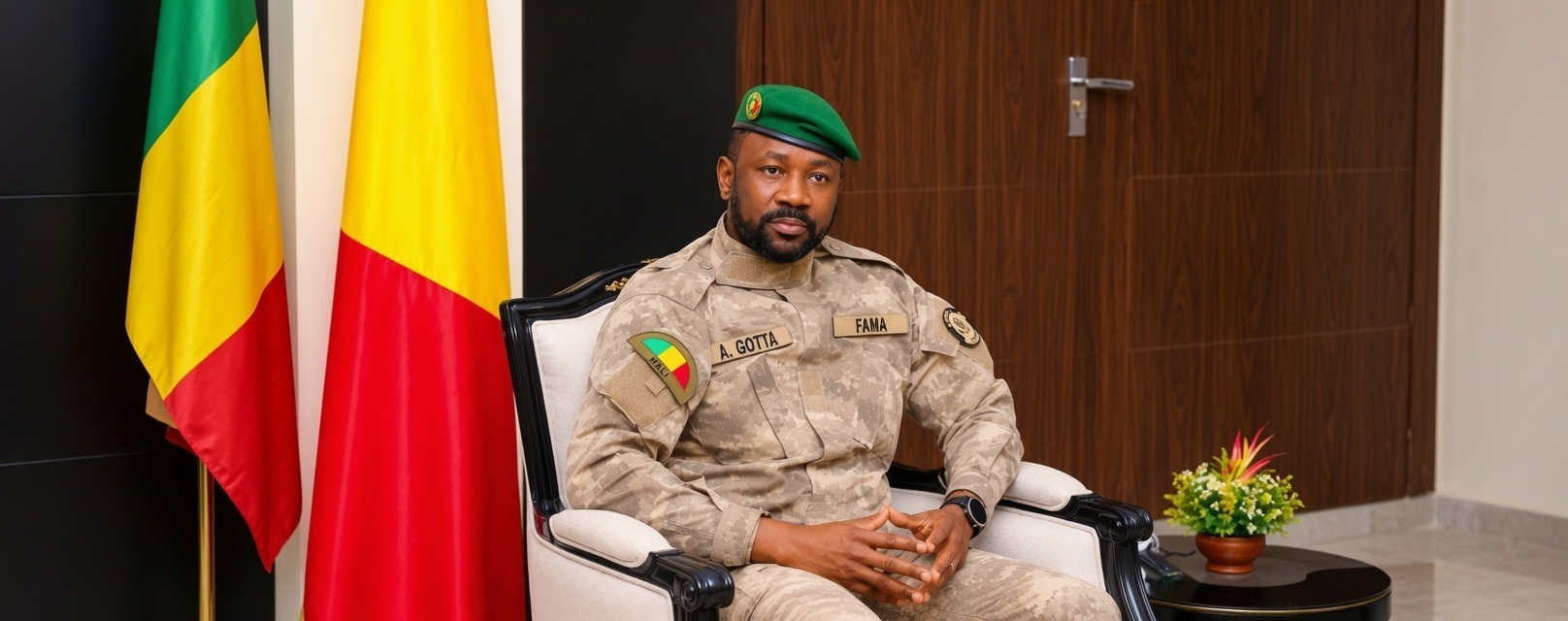
The military-led governments in Burkina Faso, Mali and Niger assumed power pledging to restore security and reclaim territory from armed groups. Yet years later, the situation remains precarious. Civilian settlements, military outposts and critical infrastructure continue to face recurrent attacks, with entire districts still gripped by extreme insecurity.
In light of these conditions, calling for a continental tournament may appear disconnected from immediate priorities. Before welcoming international delegations and thousands of tourists, should these nations not first demonstrate that ordinary citizens can travel and live safely across their territories?
Logistical hurdles compound the challenge
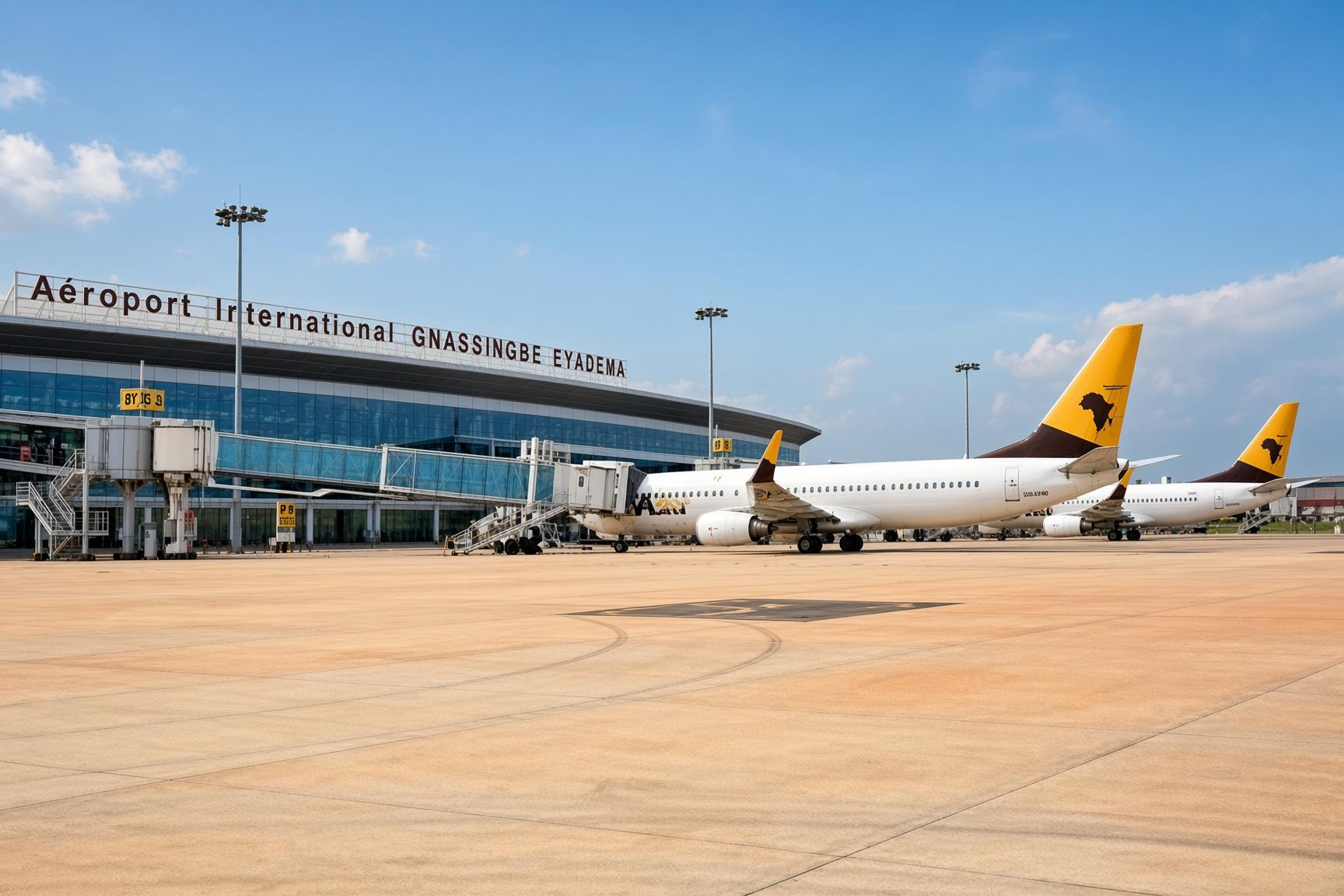
An AFCON demands world-class road and airport infrastructure, an extensive hotel network, robust medical facilities and an airtight security apparatus. Meeting these benchmarks requires colossal investment at a time when all three governments are diverting substantial resources toward counterinsurgency efforts.
The credibility of the proposal also hinges on international perception. Federations, sponsors, broadcasters and commercial partners prioritize stability to minimize risk. Any lingering violence or instability could undermine the assessment of this candidacy.
National priorities under scrutiny
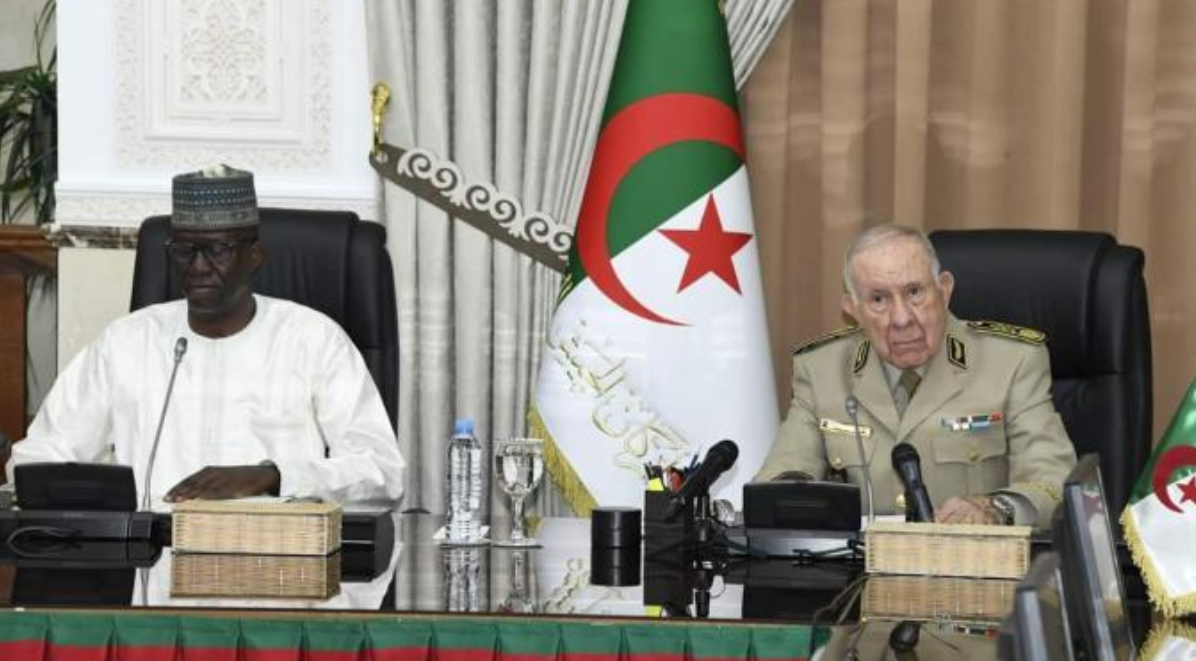
The debate touches on fundamental questions of governance. For many citizens, the first tangible victory expected from military authorities was the restoration of daily safety. The coups that toppled elected presidents were justified largely by promises of more effective action against armed groups. Yet persistent insecurity in multiple regions fuels skepticism about the transition’s true impact.
Some observers argue that Burkina Faso, Mali and Niger should first deliver measurable improvements in security, governance and stability before pursuing a 2032 AFCON bid. Staging such an event demands ironclad guarantees for participants and locals alike.
A beacon of hope or a distraction?
A continental tournament can galvanize a nation and catalyze development. Its credibility, however, rests not on political declarations but on the tangible capacity to restore lasting security, strengthen institutions and cultivate public trust. Until these core challenges are addressed, many will maintain that the priority remains protecting populations—not hosting a football spectacle.