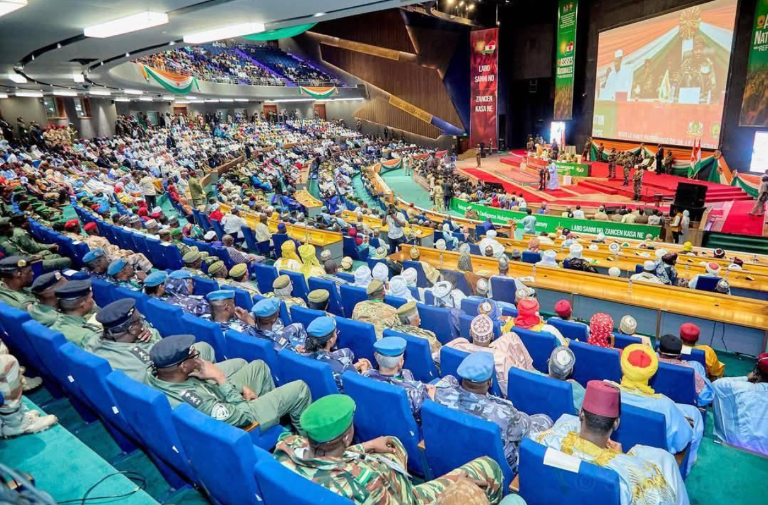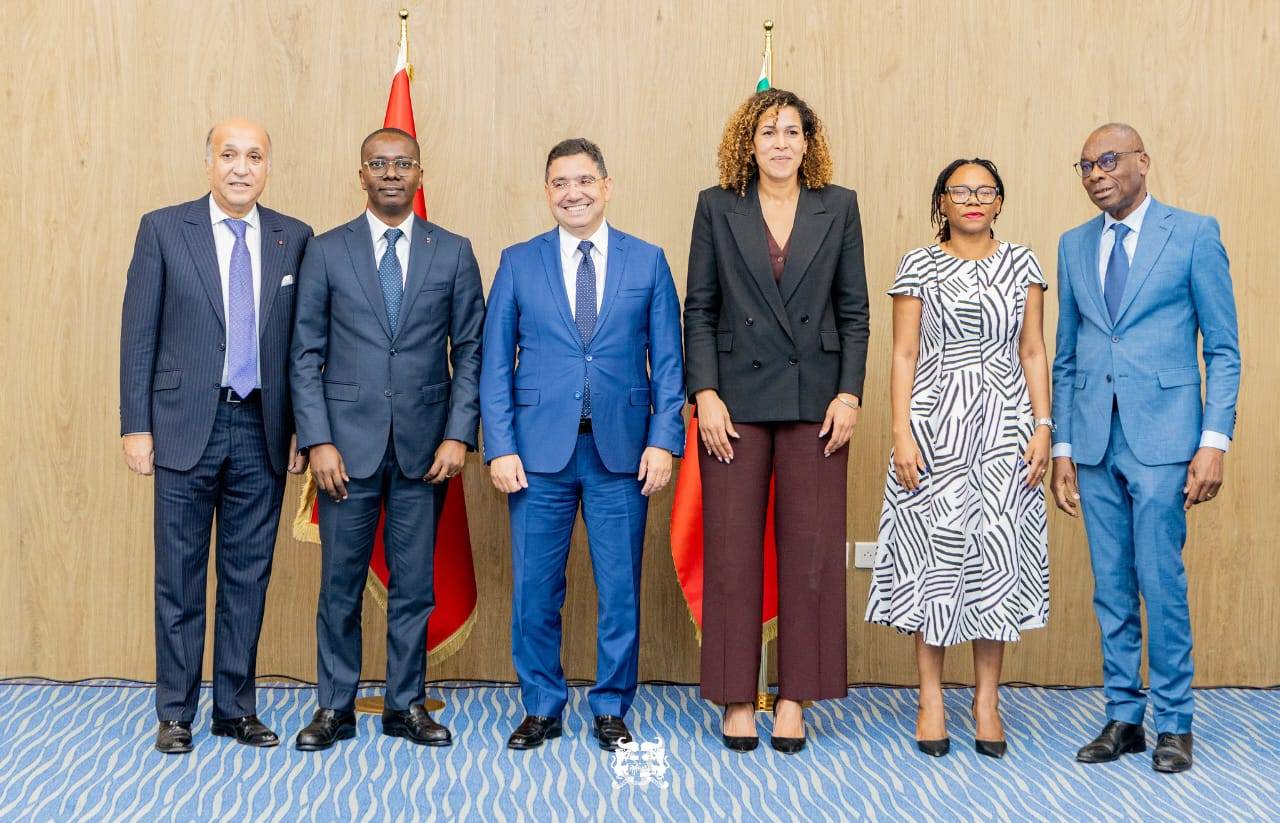
The seventh session of the Benin-Morocco Joint Cooperation Commission concluded in Cotonou with a groundbreaking set of agreements, marking a new chapter in bilateral relations between the two nations. Against the backdrop of rising global uncertainty, this high-level meeting underscored the shared commitment to deepening economic integration and fostering sustainable development across West Africa.
Diplomatic momentum strengthens economic vision
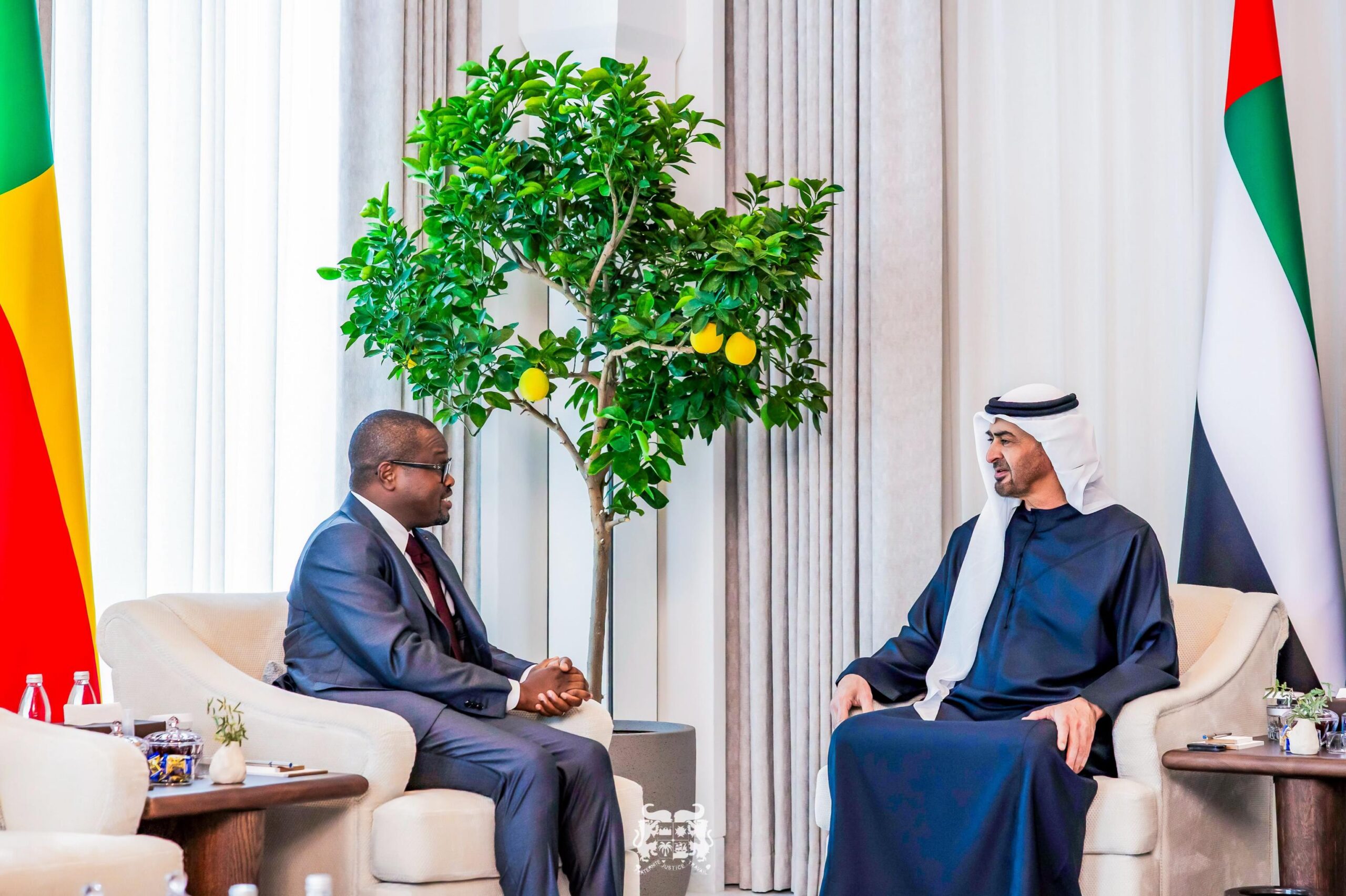
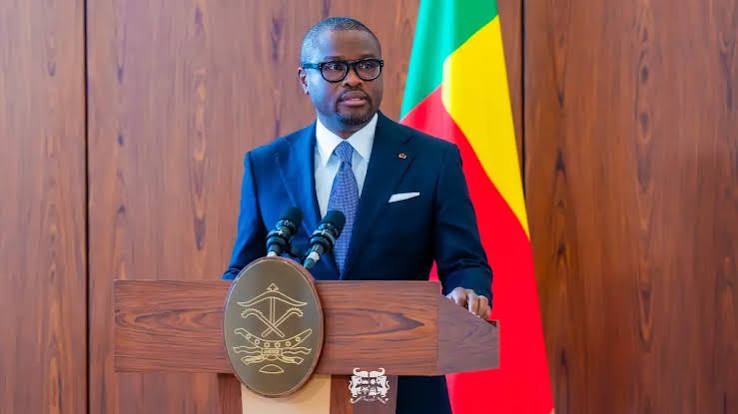
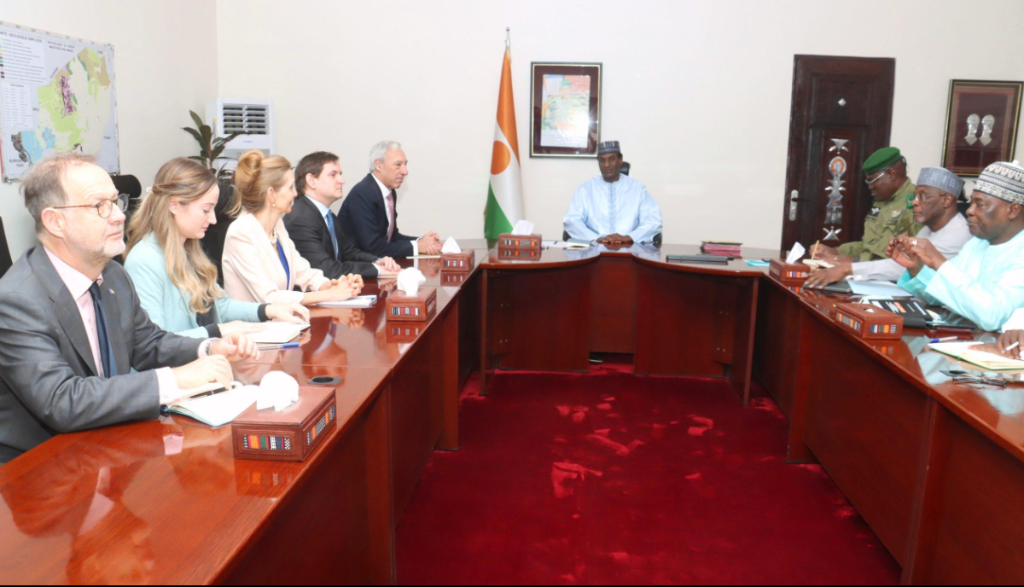
In a display of unwavering solidarity, officials from both countries convened in the Beninese capital to chart a course for mutual prosperity. The gathering, attended by key figures including Sèdami Medegan Fagla, Benin’s Minister of Higher Education, and a high-powered Moroccan delegation led by Nasser Bourita, Morocco’s Minister of Foreign Affairs, African Cooperation and Moroccans Abroad, highlighted the depth of their partnership.
Nasser Bourita praised Benin’s democratic resilience and economic vision under President Romuald Wadagni, reaffirming Morocco’s role as a trusted ally in the region’s growth trajectory. The discussions transcended symbolic gestures, focusing instead on actionable strategies to enhance trade, investment and institutional collaboration.
Economic synergy at the forefront
The summit’s economic agenda took center stage, with both nations prioritizing value creation, financial attractiveness and cross-border commerce. Hugues Oscar Lokossou, Benin’s Minister Delegate for External Resource Mobilization and Debt Management, emphasized the transformative potential of South-South cooperation:
« By aligning our efforts, leveraging our strengths and pooling our resources, we are laying the foundation for shared prosperity. This partnership is not just about agreements—it’s about tangible outcomes that uplift our people and our economies. »
The synergies between Morocco’s expertise in banking, port logistics and agro-industrial innovation and Benin’s ongoing economic modernization initiatives promise to unlock new opportunities for local and regional businesses. By streamlining financial flows, easing business mobility and fostering joint ventures, the two countries are creating an enabling environment for foreign direct investment.
14 strategic agreements redefine cooperation
The crowning achievement of the session was the signing of 14 landmark cooperation agreements, spanning multiple sectors. These legally binding frameworks position Benin and Morocco at the forefront of regional integration, offering a blueprint for other African nations to follow.
The agreements cover:
- Economic and commercial ties: Simplifying trade procedures, safeguarding investments and encouraging co-ventures to stimulate regional commerce.
- Financial and industrial collaboration: Strengthening banking systems, enhancing port infrastructure and promoting agro-industrial projects to boost food security.
- Education and human capital development: Expanding scholarship programs, technical training initiatives and academic exchanges to nurture a skilled workforce.
- Security and governance: Enhancing joint efforts in counterterrorism, maritime security and cyber resilience to safeguard shared interests.
- Cultural and social exchange: Fostering people-to-people connections through sports, arts and interfaith dialogue to build lasting bonds.
A roadmap for measurable results
The next phase is all about execution. In a decisive move, the delegations announced that Rabat would host the follow-up meeting to review progress and accelerate implementation. Corinne Amori Brunet, Benin’s Minister of Foreign Affairs for Afrodescendant Integration, underscored the urgency of turning words into action:
« The true test of this partnership lies in its ability to deliver real-world benefits. We are committed to ensuring these agreements translate into projects that drive growth, create jobs and empower our citizens. The next steps will be taken in Rabat, where we will finalize the roadmap for success. »
The commitment to tangible outcomes reflects a broader trend in African diplomacy, where rhetoric is giving way to results-driven collaboration. With both nations now equipped with a robust legal and operational framework, the stage is set for a partnership that could redefine economic dynamics in West Africa.
A model for Africa’s future
By balancing economic ambition, security imperatives and cultural harmony, Benin and Morocco have demonstrated that pragmatic bilateral alliances can yield transformative results. Their 14-point cooperation agenda serves as a testament to what is possible when nations prioritize mutual growth over competition.
As implementation begins, all eyes are on the first tangible dividends of this historic alliance. The success of these initiatives could inspire similar models across the continent, proving that Africa’s development is best forged through solidarity and shared purpose.