Alger’s olive branch to Bamako: Sifi Grine meets Assimi Goïta in a diplomatic reset
A handshake at Koulouba palace
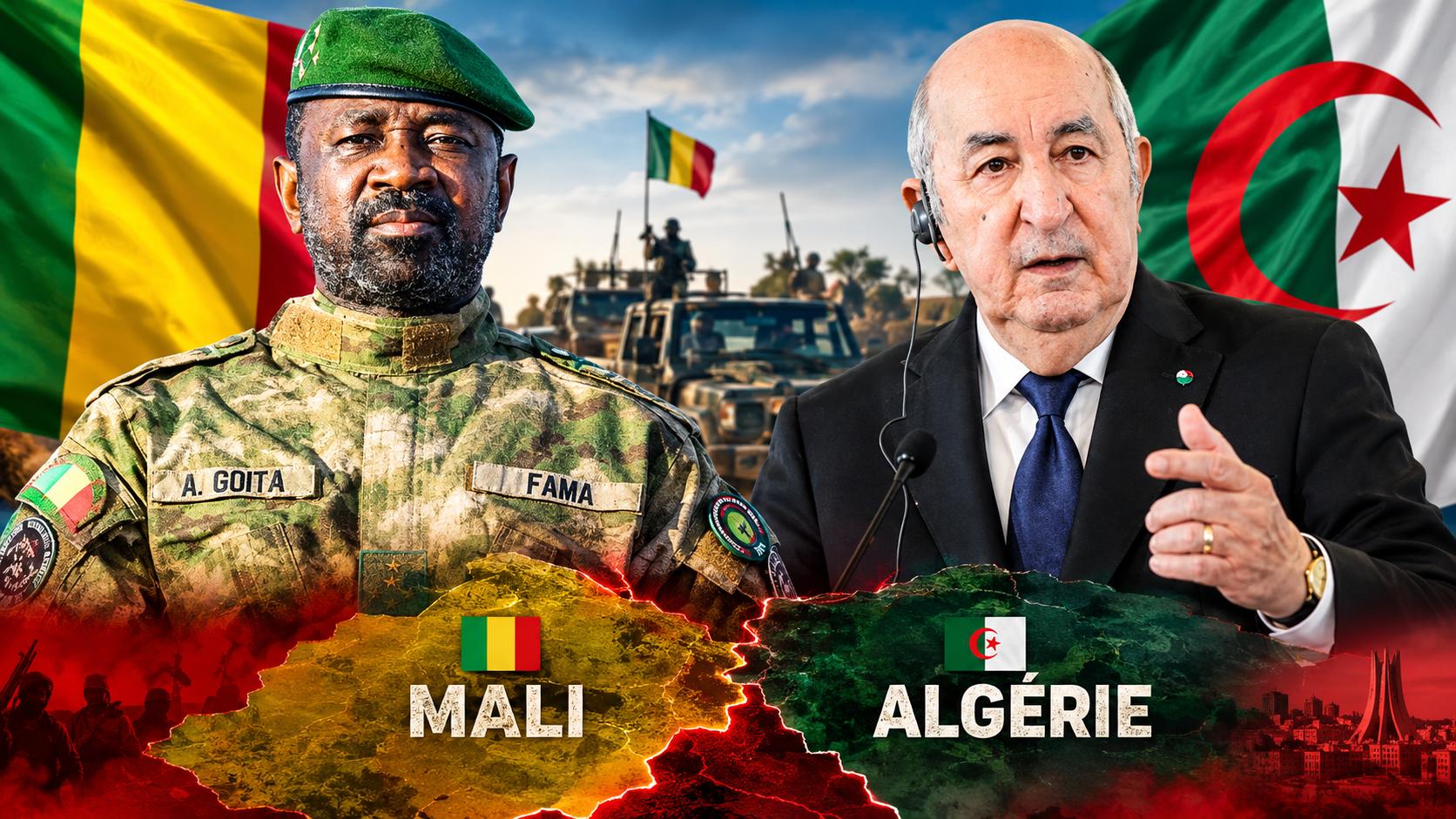
On Monday, Algerian Prime Minister Sifi Grine made a high-profile visit to Bamako, standing shoulder to shoulder with military leader General Assimi Goïta. The meeting, staged with considerable pomp, was billed as a decisive step toward strengthening ties between the two Sahelian neighbours. Yet behind the warm handshakes and carefully worded statements, the weight of past disputes and the legacy of the 2015 Algiers Accord still hang heavy over a relationship that has plumbed new depths.
From hostility to handshake
Not long ago, Mali’s ruling junta was hurling sharp accusations at Algiers. In a surge of sovereigntist rhetoric, Bamako openly accused its northern neighbour of meddling in its internal affairs. Among the grievances: Algeria’s alleged hosting of Malian opposition figures and influential religious leaders, and, more explosively, supposed support for northern separatist rebels. By branding Algiers a haven for “hostile acts” under the guise of peacemaking, the junta seemed to be seeking an external scapegoat for its own security failures and the deteriorating situation on the ground.
A marriage of convenience
The rapprochement celebrated this week looks less like a genuine alliance and more like a forced marriage of convenience. Bamako, having abruptly severed ties with traditional Western partners and entangled in uncertain regional alliances, is desperate to diversify its diplomatic backing. Algiers, for its part, cannot afford a permanent zone of instability along its southern border — a breeding ground for terrorist networks and cross-border trafficking. The Grine-Goïta meeting is therefore an exercise in pragmatic damage control: saving appearances to avoid a point of no return, without erasing the deep resentments that have eroded trust between the two governments.
The shadow of the Algiers Accord
In this quiet tug-of-war, Algeria retains a strategic edge. Long seen as the Sahel’s security linchpin and indispensable mediator, it once set the peace agenda for the region, notably through the 2015 Algiers Accord. When the junta unilaterally denounced that agreement in early 2024, it hoped to assert its authority and cast off external tutelage. But reality proved different. Abandoning the Algerian negotiating framework neither restored peace in northern Mali nor eliminated the security threat. By now travelling to Bamako to press its terms and revive dialogue, Algiers is demonstrating its political centrality: Bamako may try to ignore Algerian diplomacy, but it always ends up having to reckon with it.
The limits of military diplomacy
While this protocol visit offers General Assimi Goïta a welcome media respite, it solves none of the underlying problems. The Malian junta continues to base its power on security rhetoric while indefinitely postponing a return to democratic constitutional order. Without a genuine commitment to internal political stability and a sincere recognition of regional balances, the promises made at this meeting risk amounting to little more than public relations. Behind the diplomats’ smiles and the crisp uniforms, the Bamako-Algiers relationship remains a minefield where each side waits for the other to stumble.