Why Gabon is redrafting its EU fishing pact: the inside story
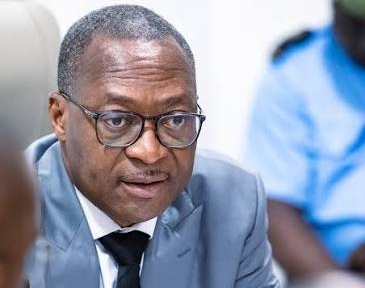
Aimé Martial Massamba, Gabon’s minister of fisheries, maritime affairs and blue economy, has been tasked with spearheading preparations for a fresh fisheries partnership with the European Union. Meeting on Friday, 18 September 2026, at the presidential palace in Port-Gentil, Gabon’s council of ministers approved the launch of negotiations on a new sustainable fisheries partnership agreement and its implementing protocol.
The council also cleared the way for Gabon to formally notify the EU of its negotiating position, to set up a national negotiating team, and to draw up a schedule of discussion rounds. The government says it is aiming for a partnership that it describes as renewed, balanced and mutually beneficial, while safeguarding Gabon’s sovereignty over its fish stocks and their sustainable use. But the roots of this decision run deeper than the surface announcement suggests.
The backstory: why the old deal collapsed
The move follows Gabon’s denunciation, on 4 June 2025, of the fisheries agreement that tied it to the European Union. The protocol signed in June 2021, which expired on 28 June 2026, had allowed up to 33 European vessels to fish for tuna species in Gabonese waters. In return, the EU paid Gabon around €1.6 million per year, on top of contributions from vessel owners. The decision to walk away was not taken lightly; it reflected a long-building frustration in Libreville.
What Brussels and Libreville had already set in motion
The renewal talks come after Libreville and Brussels had already opened discussions on the future of their cooperation in the sector. In June 2026, the European Union said it was ready to negotiate a “new generation” agreement and a fresh implementing protocol, taking into account the concerns Gabon had raised. That early willingness from Brussels helped create the opening for the current negotiations.
Gabon’s core grievance: an unbalanced deal
The Gabonese government had signalled its intention not to roll over the agreement in its existing form, arguing that it was skewed against Gabon – both economically and in terms of adding local value to fish resources. That assessment is the engine driving the renegotiation, according to officials familiar with the file.
A diplomatic signal from the EU’s top envoy
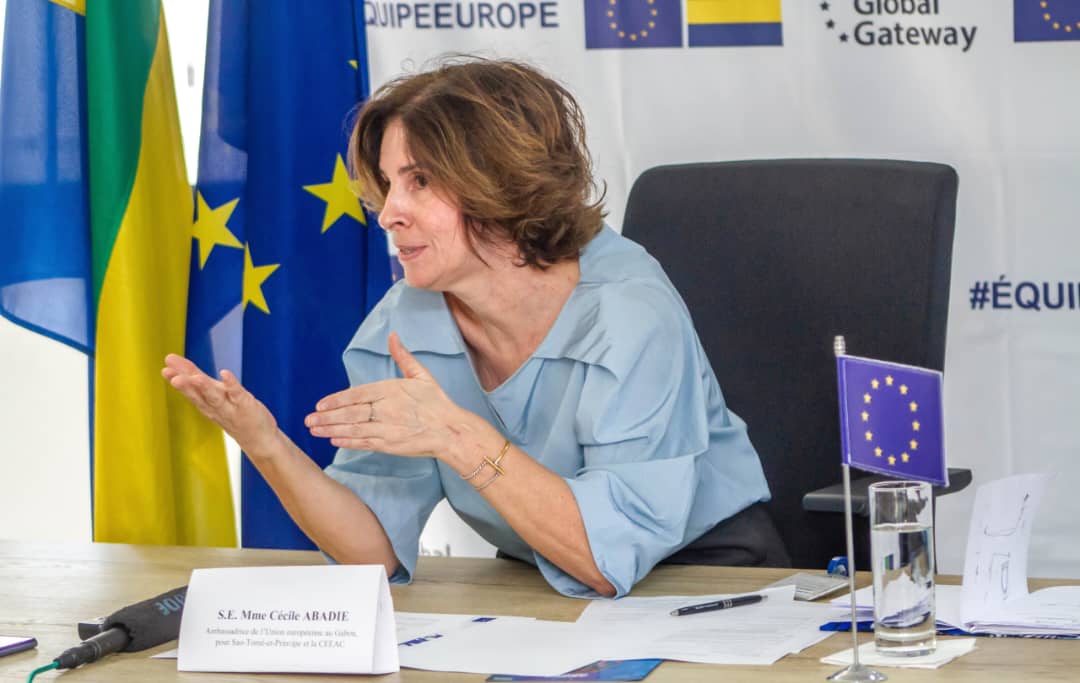
Against that backdrop, the EU ambassador to Gabon, Cécile Abadie, gave an exclusive interview in which she urged dialogue over confrontation. “My wish is that we can sit around the table and discuss each of these points as quickly and as efficiently as possible,” she said. Her words underscored Brussels’ desire to keep the conversation alive and to pave the way for negotiating a new partnership.
What Gabon wants on the table
Minister Aimé Martial Massamba has placed fisheries sovereignty, the fight against illegal, unreported and unregulated (IUU) fishing, and the development of a sustainable blue economy among his department’s priorities. Those three pillars are likely to shape Gabon’s demands in the talks. The behind-the-scenes dynamics suggest Gabon is determined to turn the page on a deal it sees as lopsided.
Key moments in the renegotiation timeline
- 4 June 2025 – Gabon formally denounces the fisheries agreement with the EU.
- June 2021 – The previous protocol, allowing up to 33 EU tuna vessels, is signed.
- 28 June 2026 – The 2021 protocol expires.
- June 2026 – The EU expresses readiness to negotiate a “new generation” agreement.
- 18 September 2026 – Gabon’s council of ministers authorises the opening of talks on a new sustainable fisheries partnership agreement.
With a national negotiating team now being assembled and a calendar of rounds in preparation, the coming months will reveal whether Gabon can convert its stated priorities into a deal that truly reflects its interests.