What really drives the Benin–Spain cultural alliance: an inside look
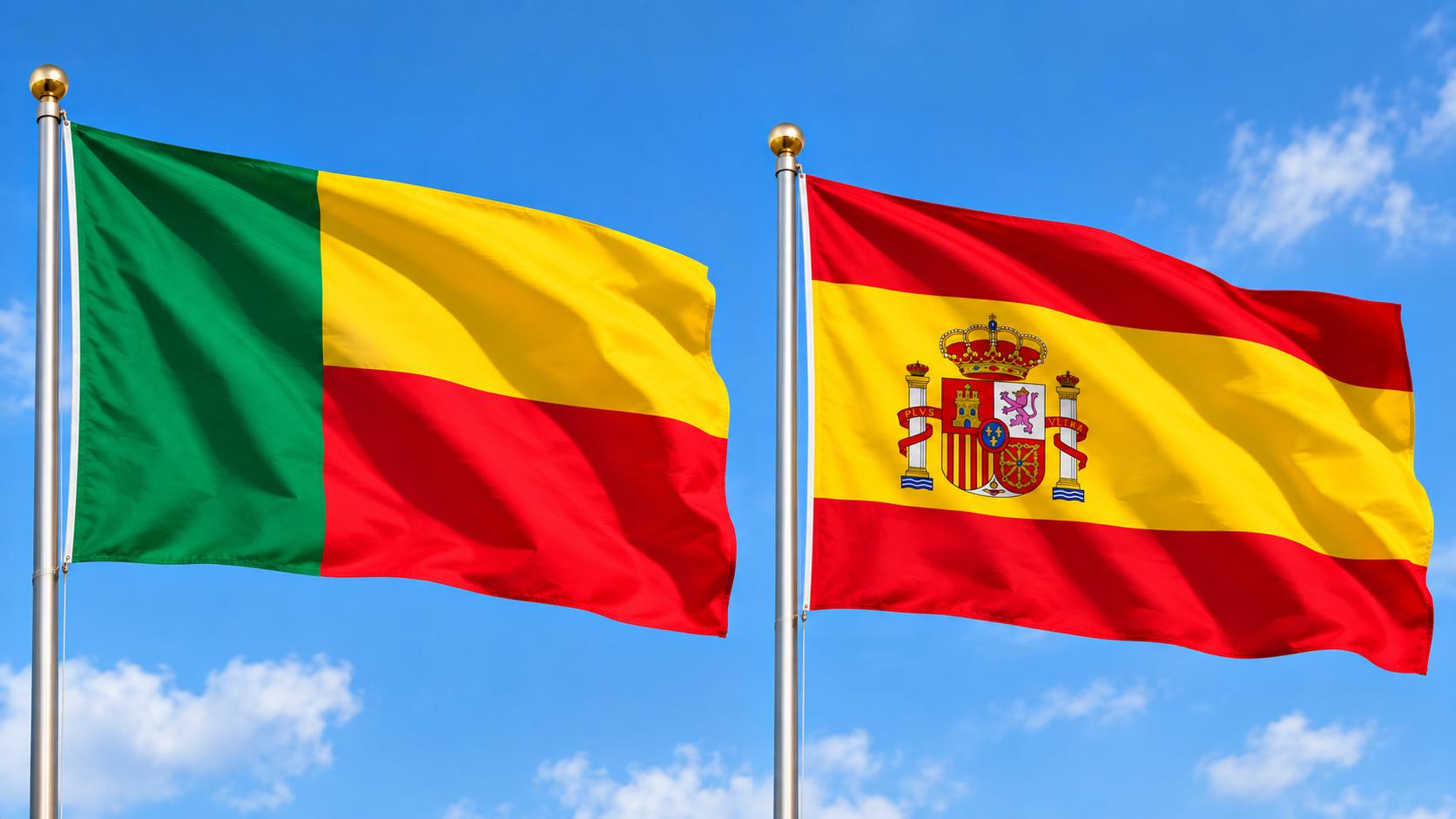
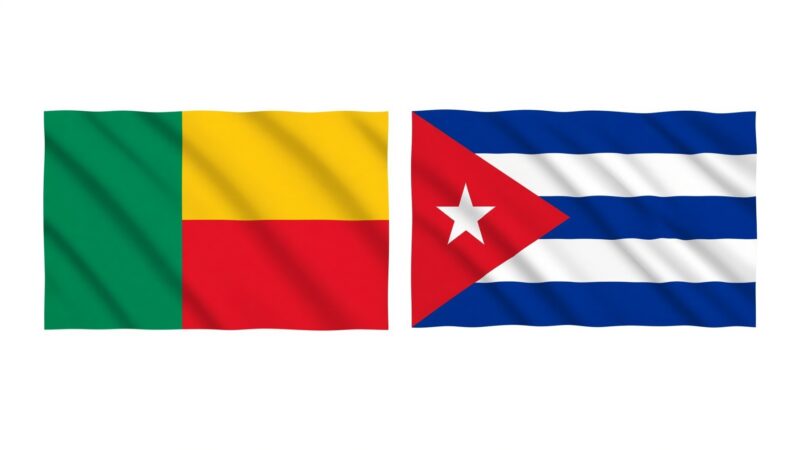
When Cotonou and Madrid decided to deepen their cultural cooperation, the headlines focused on the handshakes and the photo opportunities. But the real story lies in the mechanics — the quiet convergence of strategic interests that turned a diplomatic gesture into a working partnership. This is not simply a friendship between two nations; it is a calculated alignment of heritage, contemporary creation and high-end tourism that both sides believe can reshape their international standing.
The strategic logic behind the partnership
At first glance, the Benin–Spain cultural agreement looks like many other bilateral deals. Yet behind the scenes, Spanish diplomacy and Benin’s Ministry of Tourism, Culture and Arts have been aligning their priorities for months. The result is a framework that goes beyond ceremonial declarations of intent, built on three concrete pillars.
Artistic excellence as a shared currency
Both countries are investing in ambitious residency programmes and expert exchanges. Visual artists, performers and heritage restorers are being paired across continents, not just to collaborate but to transfer skills. The aim is to create a pool of professionals who can operate at an international level — a quiet but significant shift in how cultural expertise circulates.
Heritage preservation: a two-way street
Africa and Europe share a deep interest in protecting and showcasing their cultural treasures. Spain brings centuries of experience in cultural engineering and tourism management, while Benin offers invaluable knowledge of its own heritage. This is not a one-sided transfer; it is a mutual recognition that preservation requires both technical know-how and local ownership.
Creative industries and the digital shift
Another root cause of this partnership’s momentum is the growing emphasis on professionalising the creative sector. Training for stagecraft professions and the digitisation of artworks are central to the plan. By building these capacities, Benin and Spain are laying the groundwork for an industry that can sustain itself long after the initial funding cycles end.
Benin’s broader play: cultural diplomacy as soft power
For Benin, this alliance is part of a wider strategy. The country has been steadily positioning itself as a cultural heavyweight in West Africa, using arts and tourism as pillars of socio-economic development. Each new partnership — with Spain and others — reinforces its sovereignty and makes it a more attractive partner for global players. The Spain deal is not an isolated event; it is a deliberate step in a long-term plan to turn culture into a diplomatic asset.
What this means for the future of intercontinental dialogue
The Benin–Spain partnership offers more than symbolic value. It demonstrates that cultural diplomacy can be structured, funded and executed with the same rigour as any other strategic sector. If the residencies, heritage projects and training programmes deliver on their promise, this model could influence how other nations approach cross-continental cooperation. The real test will be whether the behind-the-scenes work translates into lasting opportunities for creators, restorers and local economies. For now, the foundations are being laid — and the architecture looks surprisingly solid.