Togo’s shifting security alliances with Russia and Africa Corps
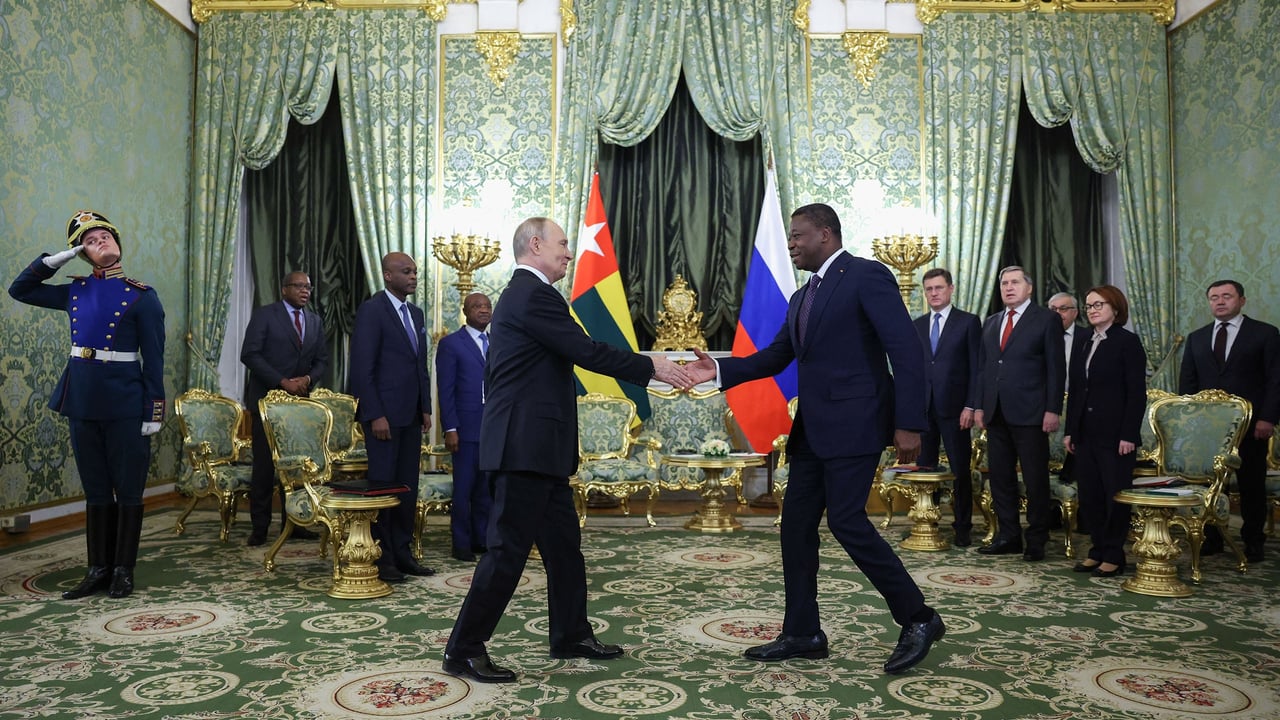

How President Faure Gnassingbé is reshaping Togo’s security partnerships
For years, Togo has quietly fortified its defenses against Sahel jihadist threats. Lomé’s strategy now includes unconventional alliances: military support from Turkey, alongside growing ties with Russia’s Africa Corps since 2025. The details of this evolving security landscape reveal a bold shift in West African defense diplomacy.
Document generated on
Togo’s quiet military pivot in the Sahel
The Republic of Togo has long maintained a low-profile security posture, but recent developments suggest a deliberate recalibration of its defense strategy. As jihadist violence escalates across the Sahel, Lomé has taken proactive steps—some discreet, others highly visible—to bolster its counterterrorism capabilities.
Turkey’s rising influence in Lomé’s security agenda
One of the most significant shifts has been Togo’s deepening collaboration with Turkey. Since 2022, Ankara has become a key military partner, providing advanced aerial support and logistical assistance. This partnership extends beyond conventional defense cooperation, with Turkish advisors reportedly training Togolese forces and supplying state-of-the-art surveillance equipment.
Air power and intelligence sharing
Turkish drones and intelligence systems have been integrated into Togo’s operational framework, enhancing the country’s ability to monitor and respond to threats along its northern borders. This cooperation has been particularly valuable in addressing the spillover of instability from neighboring Burkina Faso and Niger.
Russia’s Africa Corps enters the equation
Since early 2025, Togo has also engaged with Russia’s Africa Corps, a private military entity with growing influence in African security affairs. While the details remain tightly controlled, reports indicate that Russian advisors have been deployed to key military installations, including the Dihiaga base in the Savanes region.
Strategic rationale behind the alliances
These partnerships reflect a calculated move by President Faure Gnassingbé to diversify Togo’s security alliances. With traditional Western partners scaling back involvement in the Sahel, Lomé has sought alternative sources of military support. The Africa Corps, in particular, offers rapid deployment capabilities and a willingness to operate in high-risk environments—an attractive proposition for a country facing persistent jihadist threats.
Challenges and controversies
However, these new alliances have not been without controversy. Critics argue that Togo’s growing ties with Russia and the Africa Corps could undermine its long-standing relationships with Western nations. There are also concerns about the long-term implications of relying on private military actors, whose loyalties and accountability remain opaque.
Public perception and regional dynamics
Within Togo, the government has framed these partnerships as necessary steps to protect national sovereignty. Yet, opposition voices question the transparency of these agreements, urging more public scrutiny of the terms and conditions. Regionally, Togo’s pivot has drawn mixed reactions, with some neighbors viewing it as a pragmatic response to shared threats, while others see it as a potential destabilizing factor.
What’s next for Togo’s security strategy?
The coming months will be critical in determining the effectiveness of these new alliances. If successful, Togo could emerge as a model for other West African nations seeking to navigate the complex security landscape of the Sahel. If not, the country may face increased scrutiny over its defense partnerships and their long-term impact on regional stability.