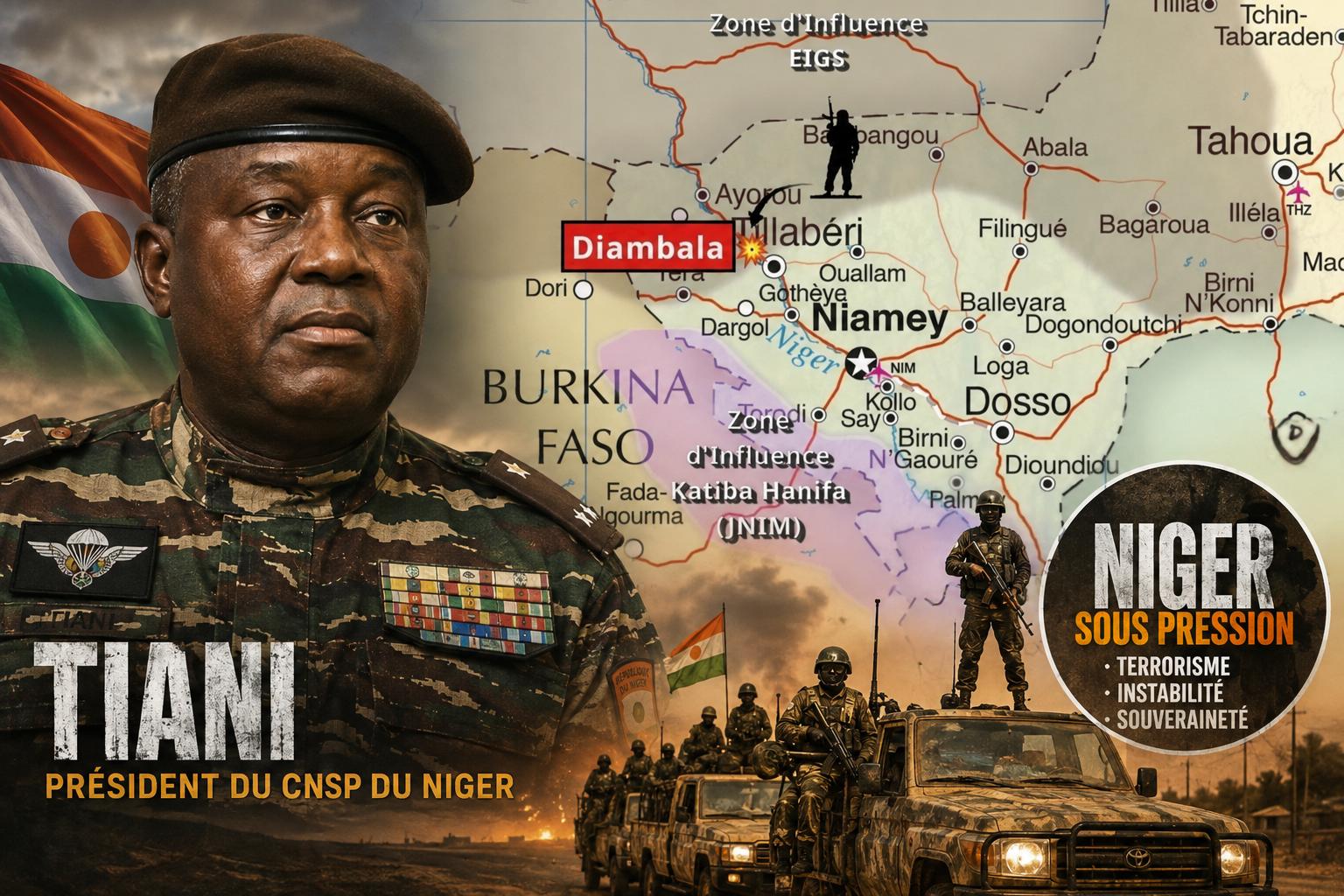
The security landscape in western Niger remains dire, with fresh armed assaults striking terror into rural communities just as the ruling regime ramps up efforts to rally citizens behind its leader, General Abdourahamane Tiani.
On September 2, 2026, three villages in Tillabéri’s department came under siege by unidentified gunmen. Local sources confirmed attacks in Darbani, Diamballa, and Namarigoungou, leaving a trail of destruction and loss.
In Diamballa, two young girls lost their lives after stumbling into a pond while fleeing the violence. A man was also shot and injured. Over in Namarigoungou, another civilian was killed, and attackers made off with livestock from all three villages.
The violence did not halt there. The following day, September 3, armed men struck again in Zibane, a rural commune near Anzourou. Local militia units engaged the attackers, resulting in one militant fatality.
Chronic insecurity in a borderland under strain
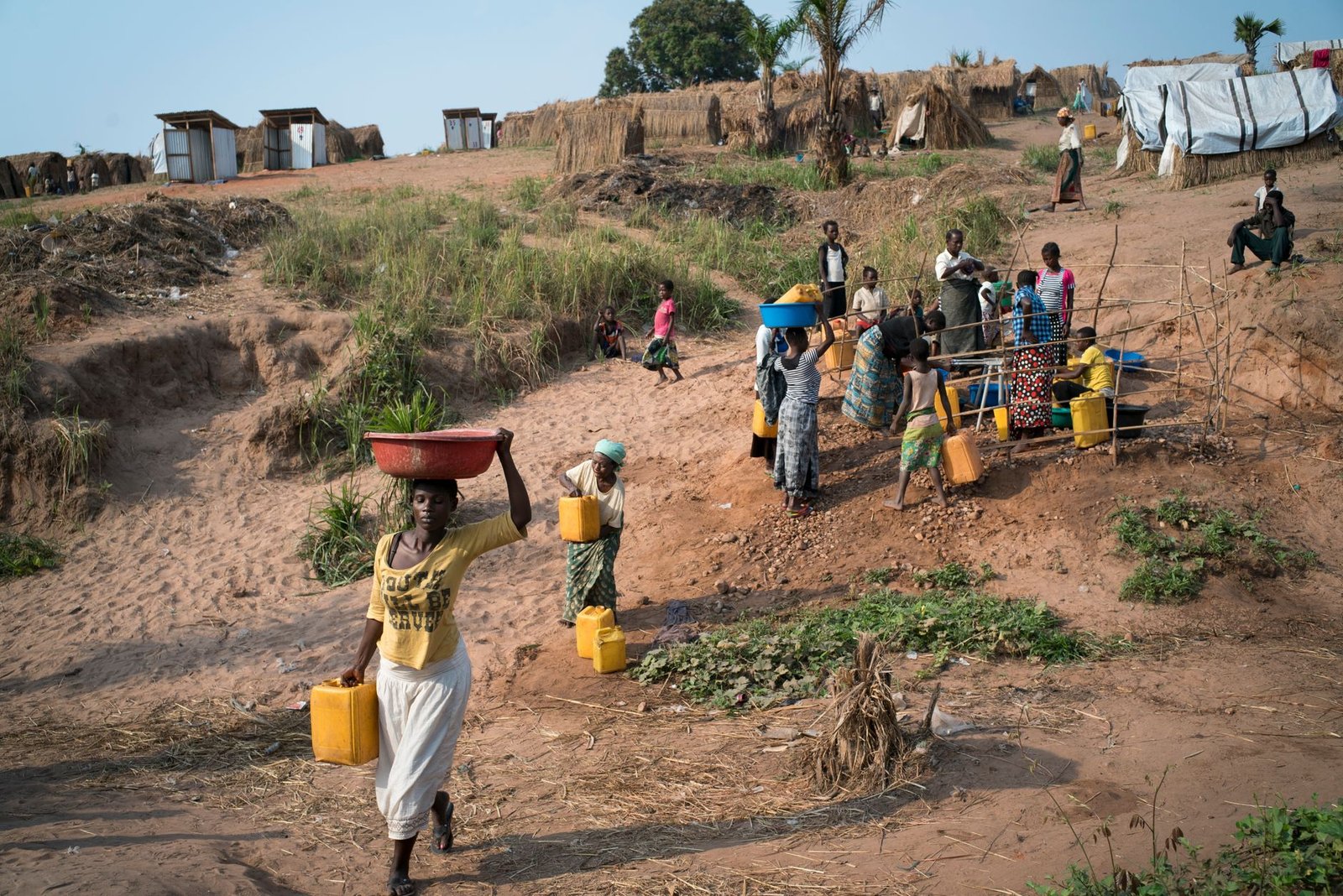
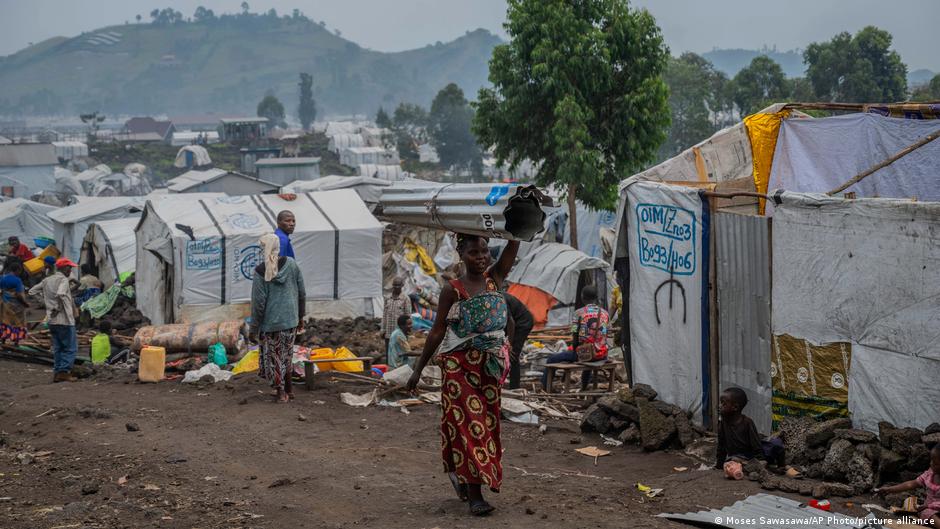
Tillabéri, nestled in the volatile Sahel tri-border zone shared with Mali and Burkina Faso, continues to bear the brunt of relentless militant incursions. For rural families, these assaults are more than life-threatening—they disrupt farming and herding, displace entire villages, and deepen economic hardship in communities already grappling with poverty and limited resources.
Each new attack raises urgent questions about the government’s ability to protect remote populations, far removed from the relative safety of urban centers. Trust in state security measures is increasingly tested as civilians face daily threats to their livelihoods and safety.
Political charm offensive amid persistent danger
Against this backdrop of ongoing violence, authorities have shifted focus toward cultivating public support for General Tiani. A flurry of outreach efforts—public endorsements, community mobilizations, and calls for unity—aims to reinforce his leadership and shore up political legitimacy, particularly in the wake of a recent failed coup attempt.
The stark contrast is undeniable: while state-backed campaigns spotlight national cohesion and allegiance to the regime, families in Tillabéri endure a starkly different reality—one defined by fear, displacement, and the constant threat of violence.
Where communication meets survival
The government’s emphasis on public approval has become a cornerstone of its strategy in a politically sensitive climate. Yet for residents of conflict-hit zones, tangible security remains the top priority. They ask not for rhetoric, but for the freedom to farm, travel, and raise livestock without fear of attack.
The recent attacks in Tillabéri serve as a grim reminder: the fight against terrorism is far from over. They also pose a critical challenge to policymakers: beyond symbolic gestures and calls for solidarity, what sustainable solutions can authorities implement to restore safety and stability for those living in the shadows of insecurity?
In Tillabéri, the gap between political theatrics and the harsh realities of daily survival grows wider with every passing assault.