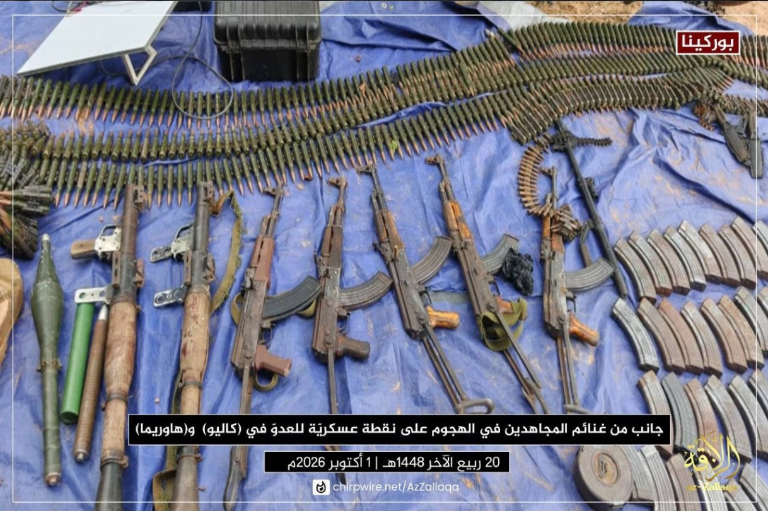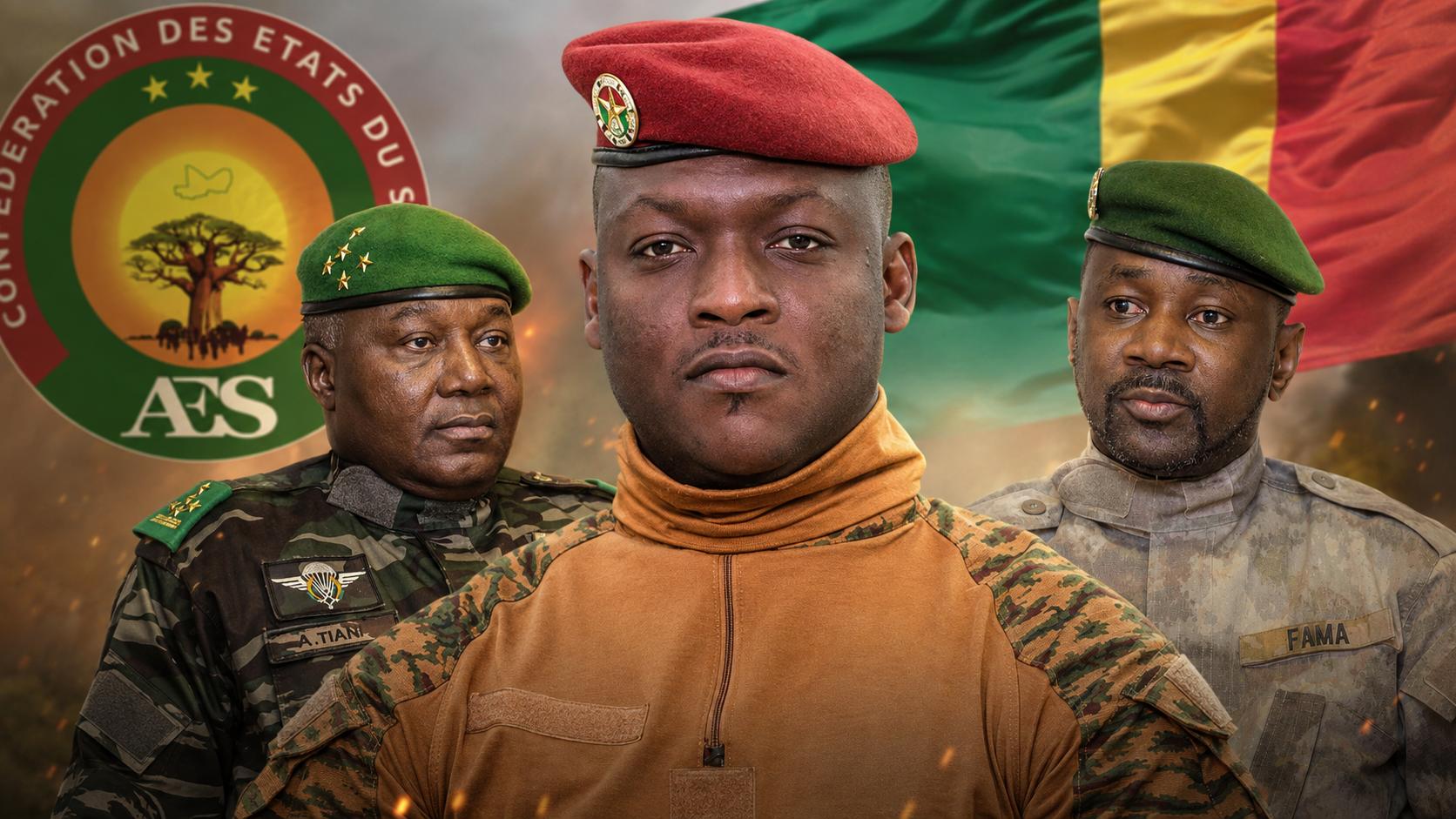
A year following the formalization of its charter and the establishment of its confederation, the Alliance des États du Sahel (AES), comprising Mali, Burkina Faso, and Niger, frequently faces scrutiny regarding its capacity to fulfill its central pledge: mutual defense. Amidst recent security escalations and significant jihadist assaults impacting Nigerien territory, the absence of visible joint armed intervention has prompted questions among local populations and regional observers alike.
Several structural and strategic elements contribute to this operational inertia on the ground in Niger.
National armies already stretched thin
The primary constraint remains the overwhelming demands placed upon national armed forces. Each member of the alliance confronts intense security threats within its own borders:
- In Mali: The national army and its allies remain acutely focused on maintaining control over the northern and central regions, battling groups like the JIM (Permanent Strategic Framework and Al-Qaeda affiliates).
- In Burkina Faso: More than half of the national territory endures relentless pressure from persistent terrorist attacks.
- In Niger: Security forces are tasked with simultaneously safeguarding the volatile three-borders region (Liptako-Gourma) against the Groupe de soutien à l’islam et aux musulmans (GSIM) and the Islamic State in the Greater Sahara (EIGS), while also monitoring the critical Lake Chad basin.
Within this demanding context, none of the three states possess adequate strategic reserves to project a substantial military contingent into a neighboring country without critically weakening their own national security apparatus. This saturation significantly impacts the potential for effective security Sahel collaboration.
Logistical hurdles for the joint force
Despite the political commitment to unify forces, cemented during AES Confederation summits, the practical implementation of this joint force encounters significant material realities:
- Interoperability and command: Harmonizing distinct military doctrines and establishing a truly integrated command chain demands considerable time, sophisticated training, and secure, reliable transmission networks.
- Air support and intelligence: Projecting troops over the vast distances characteristic of the Sahel requires substantial resources, including armored transport, consistent logistical resupply, and advanced aerial intelligence capabilities (such as drones and combat aviation). These capacities are currently limited and are already heavily utilized within each nation’s own operational zones.
The role of external partners
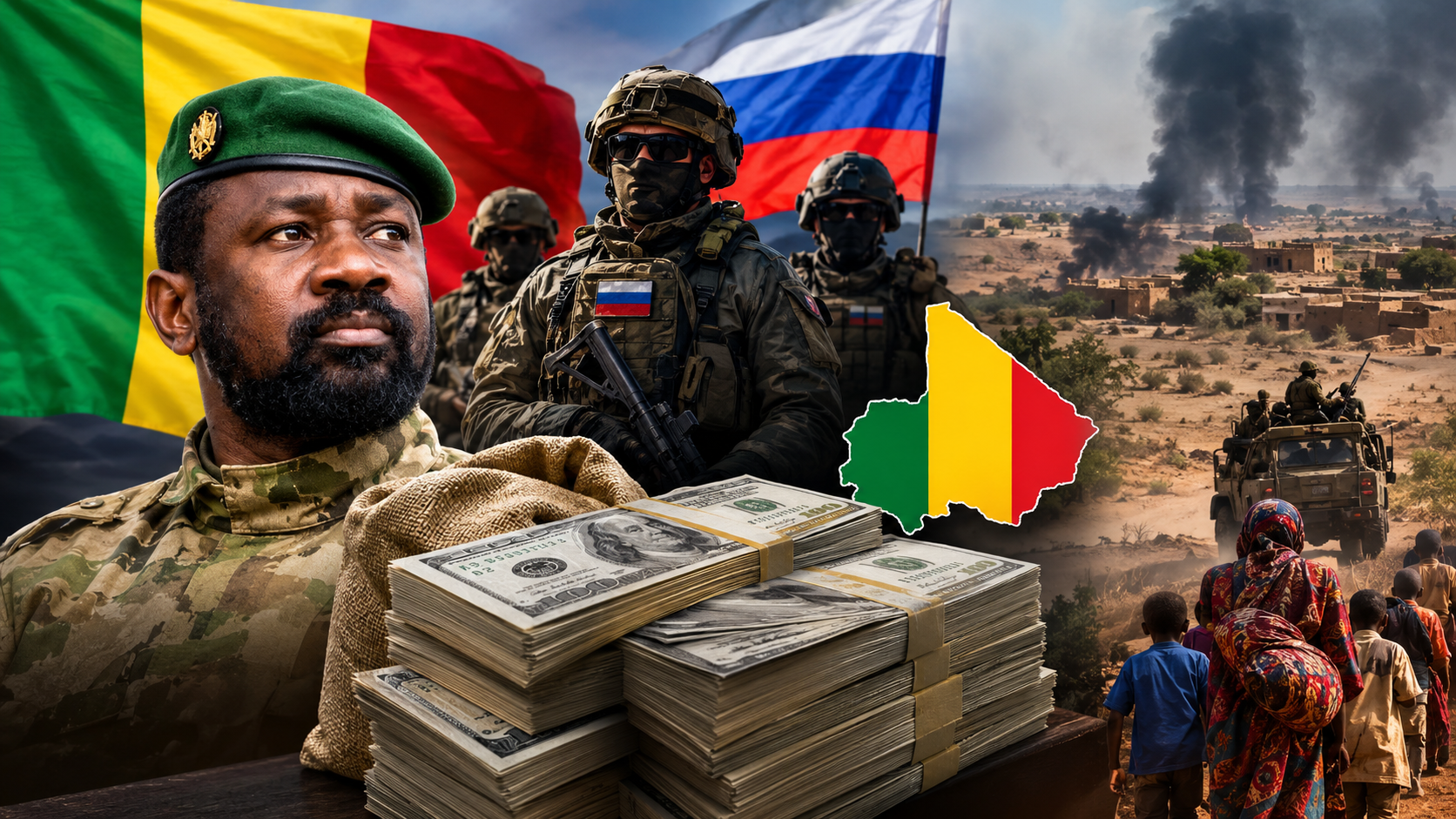
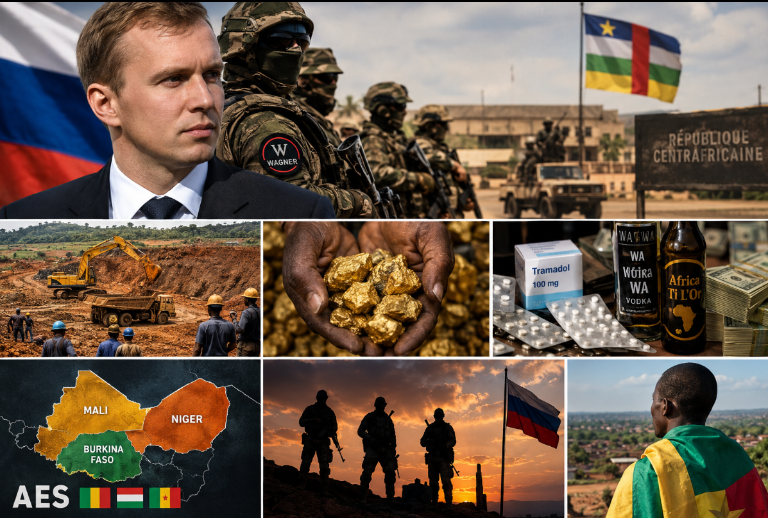
The departure of traditional military presences, notably France and the UN’s MINUSMA mission, prompted the three military regimes to pivot their partnerships, notably towards Russia, which has seen the deployment of the paramilitary Africa Corps. However, these crucial support forces are primarily deployed under bilateral contracts and are not inherently structured or mandated to conduct extensive trans-border operations under the collective banner of the AES. This impacts the overall political Sahel dynamics.
A strategic focus on intelligence
Beyond large-scale troop projection, AES authorities emphasize an alternative form of cooperation: the robust sharing of intelligence and targeted, punctual operations along borders. For military high commands across the Sahel, intervention is not necessarily defined by massive, visible deployments, but rather by coordinated actions within the critical three-borders zone, where each national army primarily operates from its own sovereign territory. This strategic choice underscores a pragmatic approach to West Africa Sahel news and security challenges.