Shenzhen summit catalyzes diplomatic breakthrough amid global power shifts
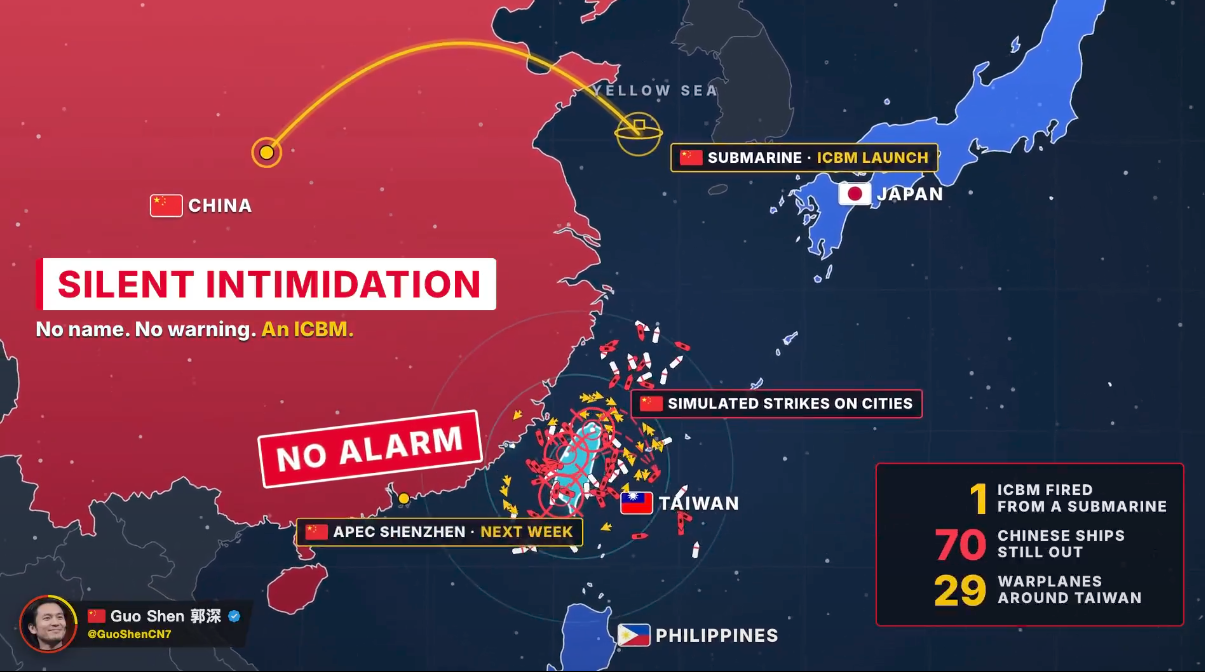
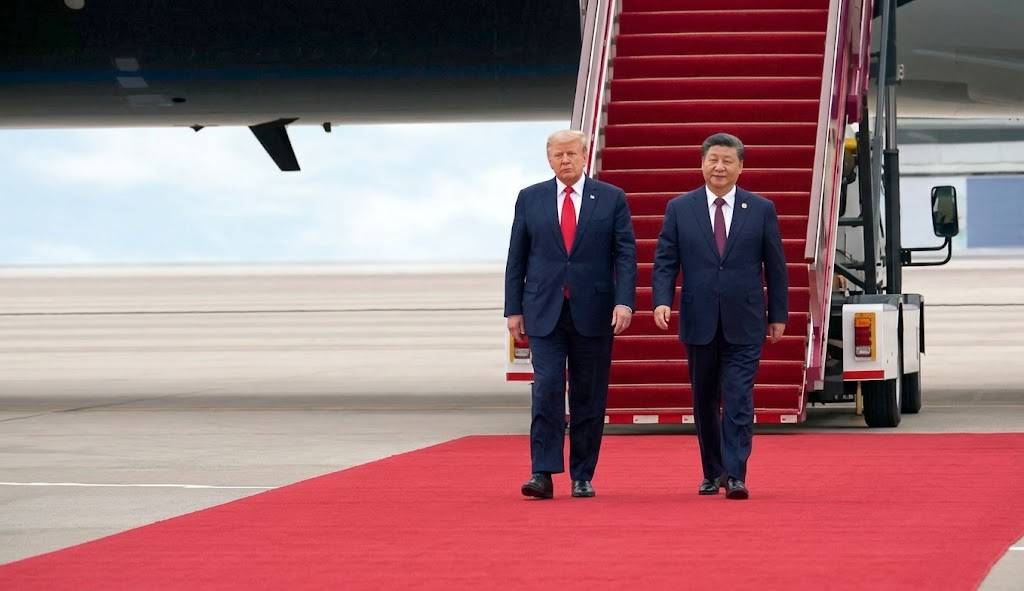
The air was thick with anticipation as Air Force One landed in Shenzhen this week, marking a pivotal moment in global diplomacy. For the first time, Donald Trump, Xi Jinping, and Vladimir Poutine convened a high-stakes trilateral summit at the APEC summit—a gathering that could redefine international relations for decades to come.
Why this meeting matters more than any in history
This wasn’t just another diplomatic gathering. The convergence of the three most influential leaders on Earth in one room signals a potential turning point in how global power is structured. Each brings a distinct agenda to the table:
- Donald Trump: Prioritizing American economic dominance while seeking strategic alliances in both Asia and Europe.
- Xi Jinping: Leveraging China’s economic rise to position Beijing as the new center of global decision-making.
- Vladimir Poutine: Pushing for sanctions relief and a restructuring of global security frameworks to reflect Moscow’s interests.
Critical flashpoints dominating the agenda
The leaders wasted no time addressing the most explosive issues:
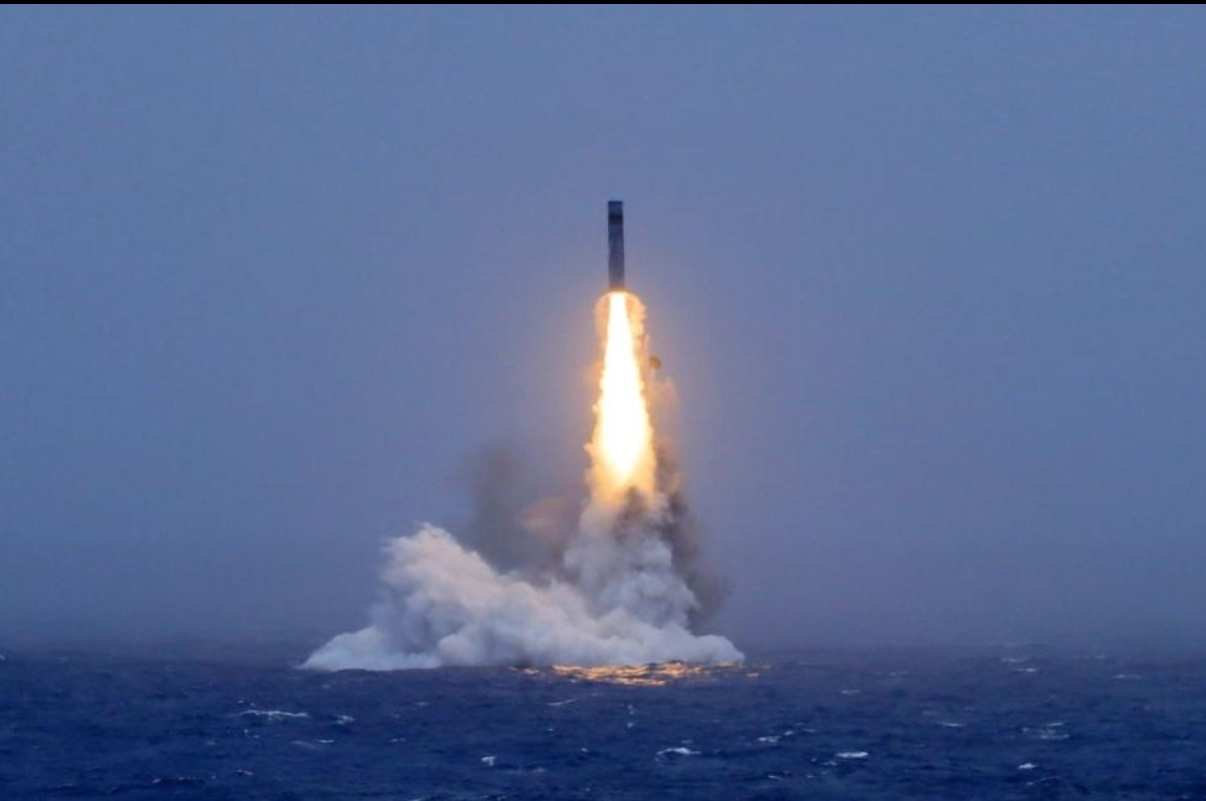
Global nuclear security: A historic window to reduce arsenals
With tensions between Washington, Beijing, and Moscow at their peak since the Cold War, the nuclear disarmament question took center stage. Could this summit finally unlock breakthrough agreements on limiting nuclear stockpiles?
The Ukraine crisis: Can diplomacy overcome entrenched positions?
While Russia continues to defend its military campaign, the United States seeks a negotiated settlement, and China walks a tightrope between supporting its ally and maintaining global economic interests. The stakes couldn’t be higher.
Middle East turbulence: Iran’s shadow over the talks
The Iran nuclear deal remains a flashpoint, with all three leaders holding sharply differing views on how to stabilize the region. Could this summit broker a new framework for engagement?
Beyond geopolitics, trade and technology restrictions dominated private conversations—particularly on semi-conductor exports and critical mineral trade, where each nation seeks an advantage.
Is a new world order emerging—or will it fracture further?
Some analysts draw parallels to Yalta 1945, where post-WWII borders were redrawn. Yet the comparisons fall short. Unlike the entrenched power blocs of the 20th century, today’s geopolitical landscape is fragmented, with emerging economies like India, Brazil, and South Africa watching closely.
One unavoidable reality: No three capitals can dictate global stability alone. The summit’s success hinges on whether these leaders can move beyond symbolic gestures toward binding commitments on:
- Nuclear non-proliferation
- Ukraine’s sovereignty
- Stable energy and trade corridors
What happens next?
The world holds its breath as these leaders return to their capitals. Will Shenzhen mark the beginning of a new era of cooperation—or a deepening of rival blocs?
The answer will shape global markets, security alliances, and the lives of billions. One thing is certain: This summit wasn’t just another diplomatic event. It was a moment of reckoning.
Follow the outcomes closely—they will define the next chapter in world history.