As diplomatic relations between Algeria and the United Arab Emirates reach a critical juncture, explosive allegations have surfaced linking Abu Dhabi to the clandestine production of psychotropic drugs in eastern Libya. These claims, emerging from a high-profile media intervention, mark a pivotal moment in North Africa’s ongoing struggle against illicit drug networks and their geopolitical ramifications.
From whispers to accusations: a turning point in regional drug wars
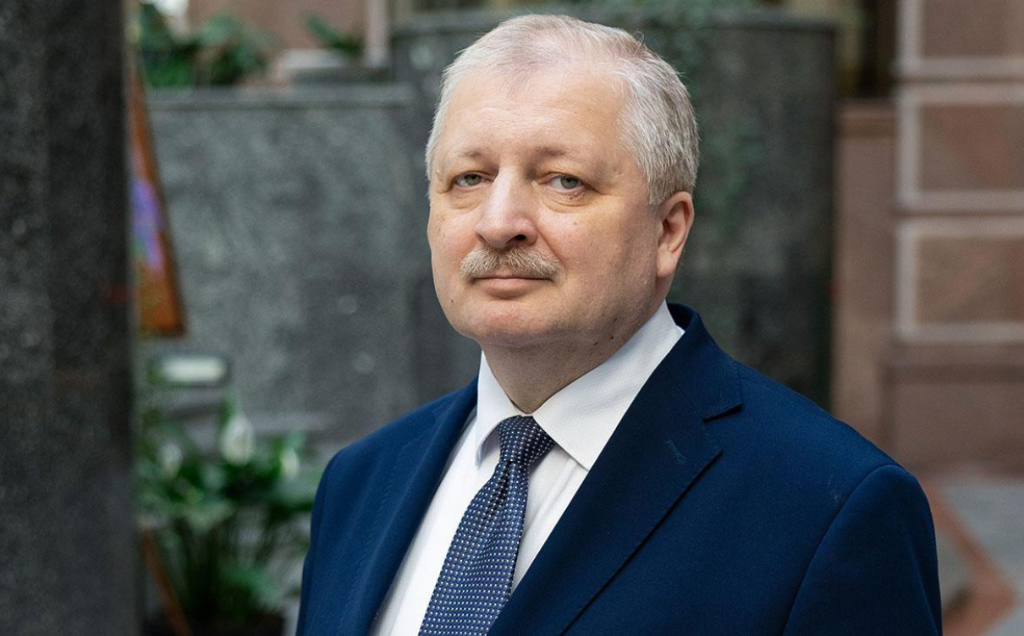
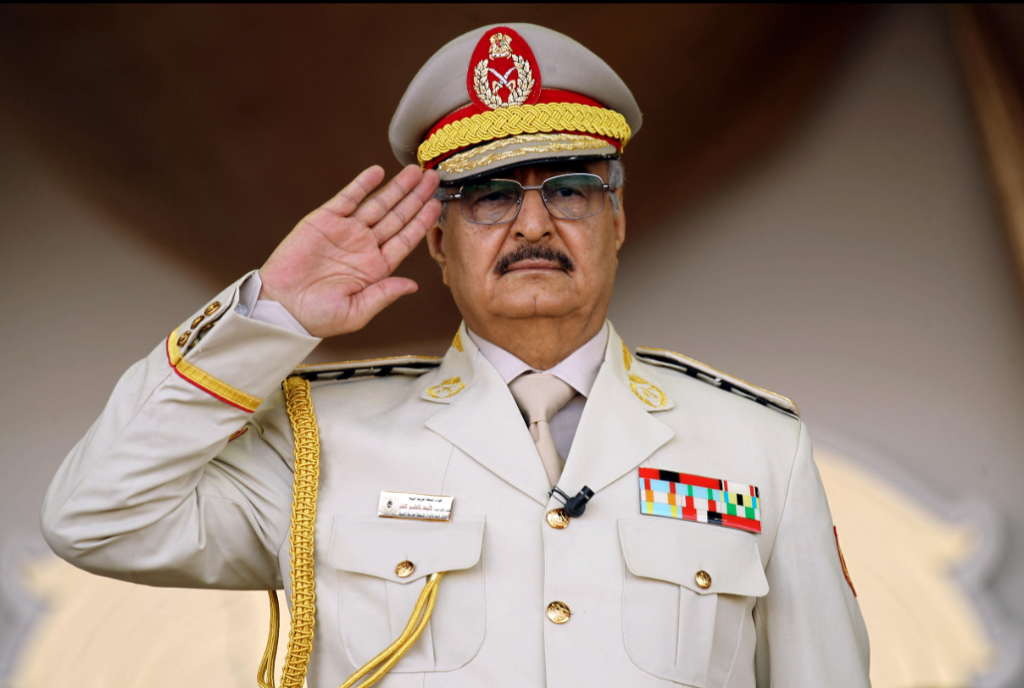
In a televised statement that has sent shockwaves across diplomatic circles, a prominent commentator accused the UAE of directly funding industrial-scale psychotropic drug manufacturing facilities in Libya’s eastern territories—regions under the de facto control of Marshal Khalifa Haftar. The allegations suggest not a mere criminal enterprise, but a sophisticated operation equipped with industrial machinery, specialized personnel, and the capacity to produce vast quantities of controlled substances.
The commentator’s assertion was unequivocal: “These are factories owned by the Emirates.” The alleged objective? To flood Algerian markets with psychotropic drugs, exploiting social vulnerabilities and undermining national stability by targeting the country’s youth.
The Libyan reality: where crime thrives in fractured governance
While the UAE’s direct involvement remains unproven, the Libyan context is undeniably fertile ground for such operations. Since the collapse of central authority in 2011, Libya has become a hotspot for transnational crime, where porous borders, weak governance, and armed factionalism create ideal conditions for drug production and trafficking.
Recent judicial developments underscore this harsh reality. In November 2026, a Libyan court in Qubbah sentenced six individuals to severe penalties—including life imprisonment—for their roles in producing and trafficking Captagon tablets. Evidence presented during the trial included seized pills, packaging materials, and industrial compression equipment, confirming that Libya is no longer merely a transit route but an active production hub.
Earlier that year, Libyan military forces under Haftar’s command intercepted over 1.3 million Captagon tablets in Kufra, further exposing the scale of the crisis and the challenges faced by local authorities in curbing these networks.
Alliances and suspicions: Haftar’s ties with Abu Dhabi under scrutiny
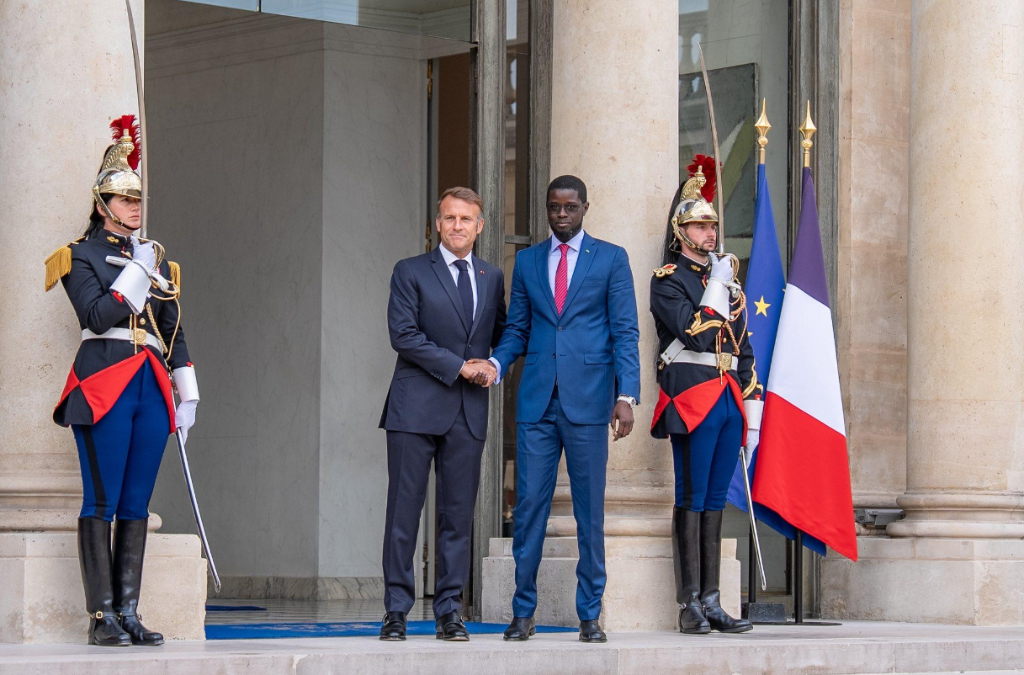
The accusations against the UAE are not made in a vacuum. For years, Abu Dhabi has been a key backer of Haftar’s Libyan National Army (LNA), providing political, financial, and military support to the strongman controlling eastern Libya. This alliance has fueled suspicions in Algiers, where officials view the growing drug trade not just as a security threat, but as a potential instrument of regional pressure.
Yet, correlation does not equal causation. While the alliance between Abu Dhabi and Haftar is well-documented, no verifiable evidence has emerged linking Emirati authorities directly to the financing or operation of psychotropic drug factories. Establishing such a connection would require tracing financial flows, identifying shell companies, uncovering equipment origins, and exposing potential complicity within political or military structures—tasks that remain unfulfilled.
Algeria’s moment of reckoning: a war declared on its youth
The timing of these allegations could not be more sensitive. Just days before the accusations surfaced, Algerian President Abdelmadjid Tebboune delivered a stark warning to the nation: the surge in drug trafficking across Algeria’s borders constitutes “a real war against our people and our youth.” He went further, suggesting that Algeria reserves the right to target drug sources in self-defense—a statement that signals both desperation and resolve.
This rhetoric reflects the depth of Algeria’s concern. Psychotropic drugs, whether diverted from legal channels or manufactured in clandestine labs, are eroding social cohesion, fueling addiction, and empowering criminal networks that prey on disenfranchised youth. The challenge extends beyond border patrols; it demands coordinated international action, financial intelligence, and comprehensive public health strategies.
The missing link: who truly profits from Libya’s drug boom?
At the heart of the controversy lies a critical question: Who is behind the financing and operation of Libya’s psychotropic drug industry? The answer remains elusive, but several investigative paths could shed light on the truth:
- Ownership and control: Are the factories privately owned, or do they operate under state or military patronage?
- Financial trails: Can illicit funds be traced back to foreign entities, shell corporations, or third-party intermediaries?
- Supply chains: How are the drugs transported from Libya into Algeria, and who facilitates the cross-border movement?
- Political cover: Is there evidence of protection from local warlords, regional actors, or international sponsors?
- Market impact: Are the drugs specifically targeted at Algerian consumers, or is the trade part of a larger regional distribution network?
Without definitive answers, the accusations against the UAE remain in the realm of allegation rather than established fact. Yet the potential implications are too significant to ignore. If proven, such a strategy would represent not just a criminal enterprise, but a deliberate act of geopolitical destabilization.
A crisis with regional consequences
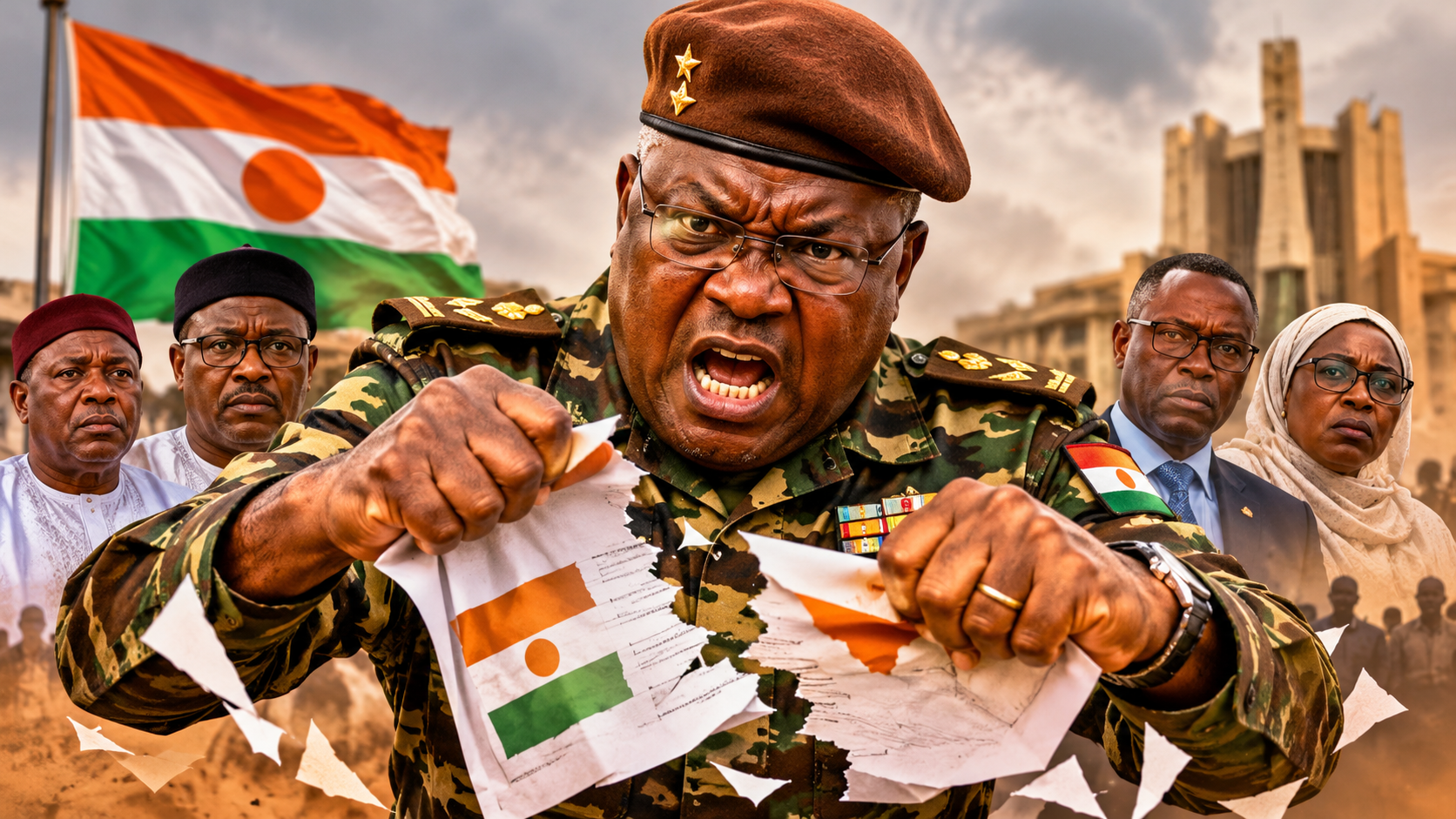
The fallout from these developments extends far beyond Libya’s borders. Should independent investigations confirm state-level involvement in financing drug production aimed at destabilizing neighboring nations, the diplomatic and security repercussions would be profound. The Algerian government has already taken drastic steps, including the severing of diplomatic ties with Abu Dhabi—a move that signals the gravity with which it views the threat.
Yet, the broader challenge remains: how to dismantle the networks fueling this crisis before they inflict irreversible damage on a generation. For Algeria, the stakes are existential—not only in terms of national security, but in the preservation of its social fabric and regional influence.
What’s next? The path to clarity and accountability
The road ahead demands more than rhetoric. It requires:
- Independent forensic investigations into the factories, their ownership, and their funding sources.
- Enhanced regional cooperation among intelligence agencies, judicial bodies, and law enforcement to disrupt trafficking routes.
- Stricter controls over chemical precursors used in drug synthesis.
- Comprehensive prevention programs targeting at-risk youth and communities.
- Transparency from all stakeholders, including Libya’s transitional authorities and international partners, to prevent the drug trade from becoming a tool of geopolitical manipulation.
Until then, the shadow of doubt lingers. Libya’s psychotropic drug industry is expanding, Algeria’s youth are under siege, and the truth remains buried in the crossroads of crime, politics, and regional ambition.