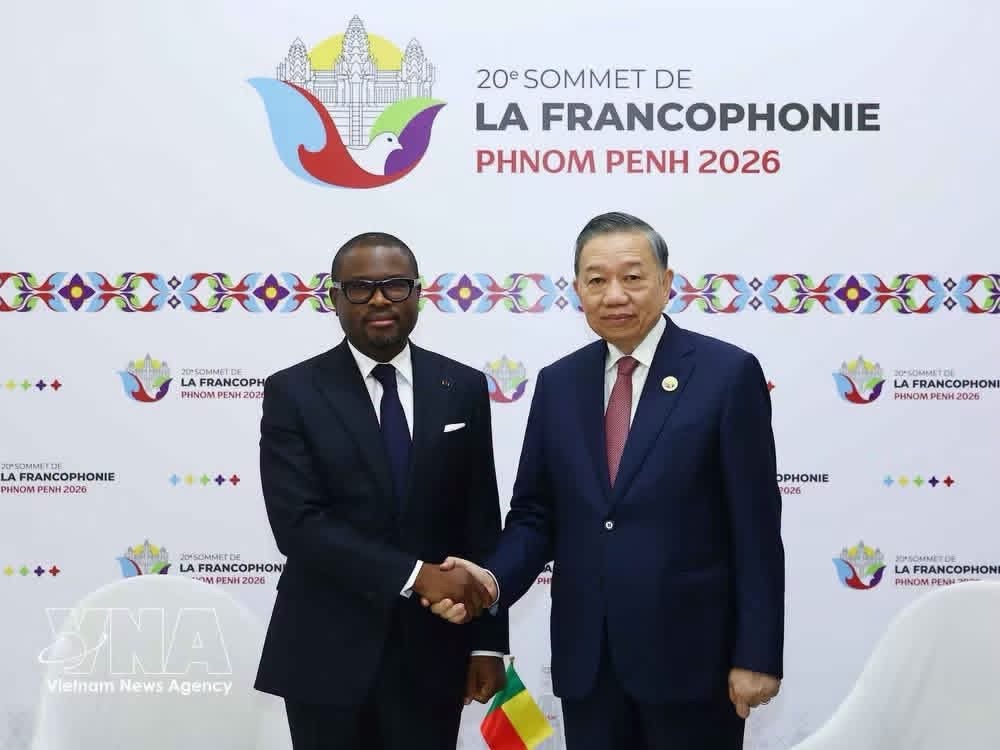
In a landmark diplomatic engagement on November 15, Benin’s Minister of Economy and Finance, Romuald Wadagni, met with his Vietnamese counterpart, Tô Lâm, in Phnom Penh. The encounter, held on the sidelines of the Francophonie Summit, marked a decisive turning point in the economic relationship between the two nations. At the heart of the discussions were critical sectors: rice, cashew nuts, cotton, aquaculture, and port infrastructure each holding the potential to reshape Benin’s economic trajectory.
Under the surface of bilateral cooperation lies a pivotal question: is Benin positioning itself merely as a supplier of raw materials to Vietnam, or does it aim to leverage this partnership as a catalyst for industrial and economic transformation? The answer will determine whether Benin remains an exporter of unprocessed goods or evolves into a hub of value-added production.
Beyond raw exports: the cashew industry as a litmus test
The case of cashew nuts exemplifies the stakes. Vietnam boasts a robust cashew processing industry and dominates global trade in the sector. Meanwhile, Benin’s agricultural output, particularly its cashew production, presents a lucrative opportunity for Vietnamese investors. This complementarity could accelerate economic growth but only if Benin avoids the pitfalls of outsourcing the most lucrative stages of the value chain.
Currently, Benin primarily exports raw cashew nuts, while the processing, packaging, and commercialization occur abroad. This arrangement strips the country of high-value job creation, skill development, and economic spillovers. The true wealth of the cashew industry lies not in exportation alone but in vertical integration: local shelling, roasting, packaging, and product diversification. Each stage retained within Benin’s borders translates to tangible benefits for its workforce and economy.
The government’s challenge is clear: to transition from merely attracting buyers to enticing investors who will establish industrial units on Beninese soil. Purchasing raw materials is a transactional act; installing processing plants is a structural economic commitment that fosters long-term prosperity.
From agreements to action: bridging the implementation gap
The urgency of this transition is underscored by a 2024 agricultural agreement between Benin and Vietnam, which has yet to yield full results. Two years after its signing, the focus has shifted from diplomatic declarations to concrete execution. Why have prior commitments stalled? What measures will finally propel these partnerships from paper to reality?
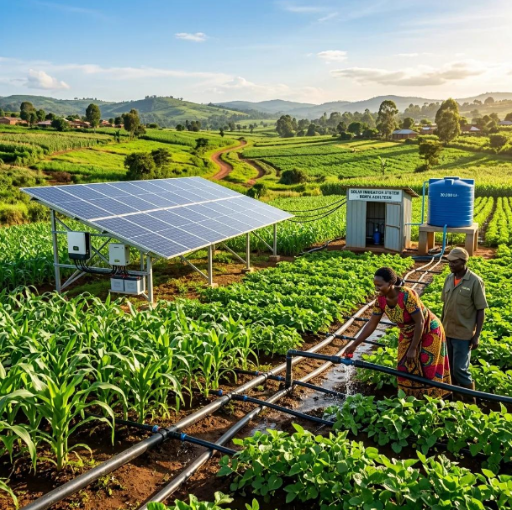
The answers lie in redefining the terms of cooperation. For rice, cotton, and aquaculture, Benin must seek partnerships that go beyond market access. The goal should be to enhance agricultural productivity, adopt modern techniques, and develop agro-processing capabilities. These advancements would not only boost local capacity but also open doors to new international markets.
Port infrastructure, too, plays a strategic role. Without efficient logistics, adequate storage, and competitive trade networks, Benin’s ambitions to expand trade will remain constrained. Upgrading these systems is not an optional luxury it is a necessity for economic diversification.
Measuring success beyond diplomatic milestones
In Africa’s economic diplomacy, the trap lies in conflating meetings with outcomes. Partnerships are not measured by the number of presidential encounters or the length of official statements. They are measured by realized investments, created jobs, transferred technologies, and retained wealth within the national economy.
Wadagni’s meeting with Lâm signals the dawn of a new phase one where Benin must negotiate with heightened economic ambition and unwavering clarity. The nation’s aspiration is straightforward: to avoid becoming an agricultural warehouse for foreign industries. Instead, it must emerge as a territory where raw materials are transformed, skills are cultivated, and investments generate direct benefits for its people.
Vietnam as a strategic partner, not a shortcut
Vietnam possesses the industrial expertise and capital that Benin needs to accelerate its development. However, this collaboration will only realize its potential if it enables Benin to surpass its current role as a raw material supplier. The goal is to position the country as an industrial player, capable of capturing a far greater share of the wealth derived from its own resources.
The path forward requires boldness. It demands policies that prioritize local processing, incentives for foreign direct investment in manufacturing, and safeguards against the export of unprocessed goods. This is not a rejection of partnership but a strategic pivot toward one that ensures sovereignty, prosperity, and sustainable growth.
By François Mvondo — Journalist