In a landmark decision, Gabon’s justice system has taken decisive action against one of its most influential figures. Jean-Boniface Assélé, a former police general and multiple-term minister under Omar Bongo, now faces prison time after a dramatic shooting incident at a Libreville football field left a 12-year-old boy critically injured.
The turning point: from political immunity to judicial accountability
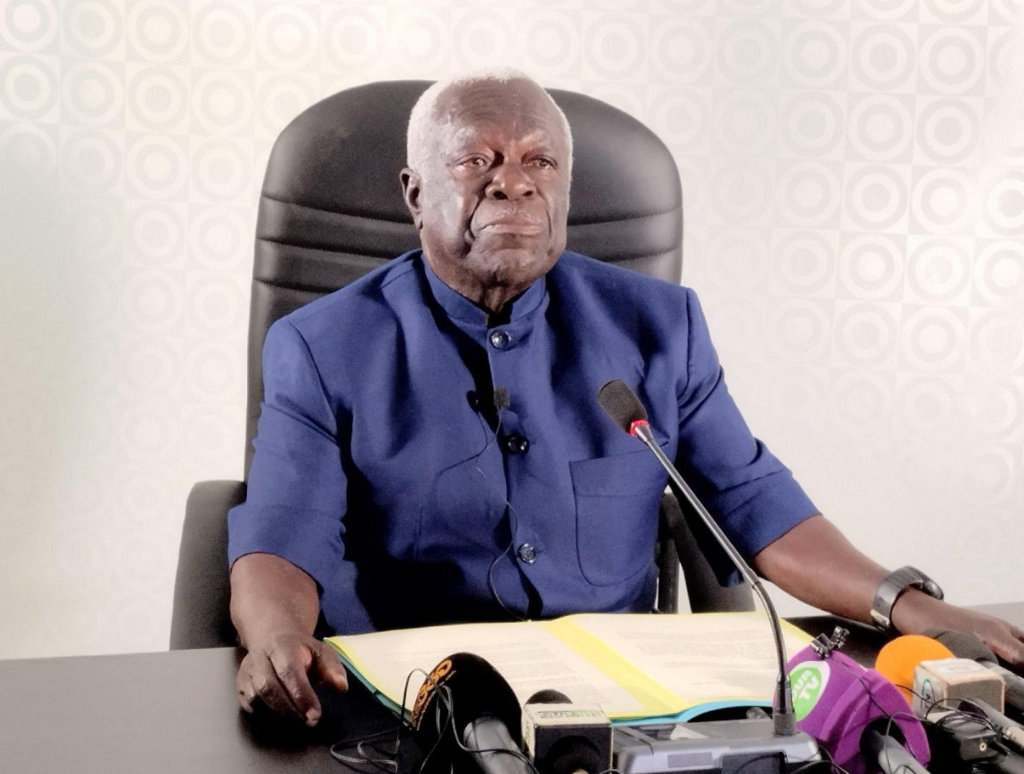
Once a pillar of Gabon’s security apparatus and political elite, Assélé, now 87, has seen his status crumble following the November 13 incident at Sibang’s Augustin Monedan stadium. The young victim, known as Dylan, was struck by a bullet during a local football match, allegedly fired by Assélé himself. Authorities allege the former official arrived at the scene armed with a 16-caliber shotgun before discharging his weapon, an account corroborated by preliminary investigations.
The aftermath saw Assélé surrender voluntarily to judicial authorities, a move that initiated formal legal proceedings. Yet this case transcends a routine investigation—it marks a pivotal moment for Gabon’s judicial system, testing its resolve to hold even the most powerful figures accountable under the law.
Dylan’s fight: a community rallies behind the wounded adolescent
The incident has galvanized public sentiment across Gabon, with widespread calls for justice under the trending hashtag #JusticeForDylan. Dylan, rushed to the Mère-Enfant Fondation Jeanne-Ebori hospital, underwent emergency surgery and remains in intensive care. Medical updates indicate stabilization, though critical concerns persist regarding long-term recovery due to the bullet’s precarious position in his body.
President Brice Clotaire Oligui Nguema’s personal visit to Dylan’s bedside underscored the gravity of the case, as did the swift mobilization of health and social services to cover his medical expenses. The outpouring of support reflects a nation watching closely—demanding not just accountability but also compassion for a child caught in a web of power and privilege.
A legacy unravels: Assélé’s fall from grace
Jean-Boniface Assélé’s story is one of deep entrenchment in Gabon’s political landscape. A former national police commander, multiple-time minister, and self-styled reformist leader, his career spanned decades under Omar Bongo’s regime. Yet on November 16, his legacy took a dramatic turn when a judge ordered his detention at Libreville’s central prison in Gros-Bouquet. The charges—attempted murder and illegal firearms possession—signal a rare moment where judicial action overshadows political clout.
While Assélé’s legal team will present his defense, the court’s decision underscores a broader constitutional principle: no individual, regardless of status, is exempt from legal scrutiny.
Beyond the incident: justice as a national reckoning
This case has ignited a national conversation about equality before the law. Observers argue that Dylan’s ordeal is not just a personal tragedy but a test case for Gabon’s judiciary. The president’s public reiteration of legal equality—“justice is the same for all”— resonates amid skepticism about selective enforcement in high-profile cases.
The Assélé family has publicly expressed regret, pledging support for Dylan’s medical care. Yet questions linger: What led to the shooting? Were protocols violated? And what role did others play in the events leading to the discharge of Assélé’s weapon? The ongoing investigation must now navigate these complexities with transparency and rigor.
A judicial milestone in the making
As Dylan continues his recovery, Gabon watches the proceedings with bated breath. The case embodies a fundamental truth of democratic governance: no figure, no matter how entrenched, is above justice. Whether this moment heralds a broader shift toward accountability remains to be seen—but for now, the wheels of justice have begun to turn in a nation eager for closure.