The August 29 mutiny: A crack in the military’s anti-jihadist front
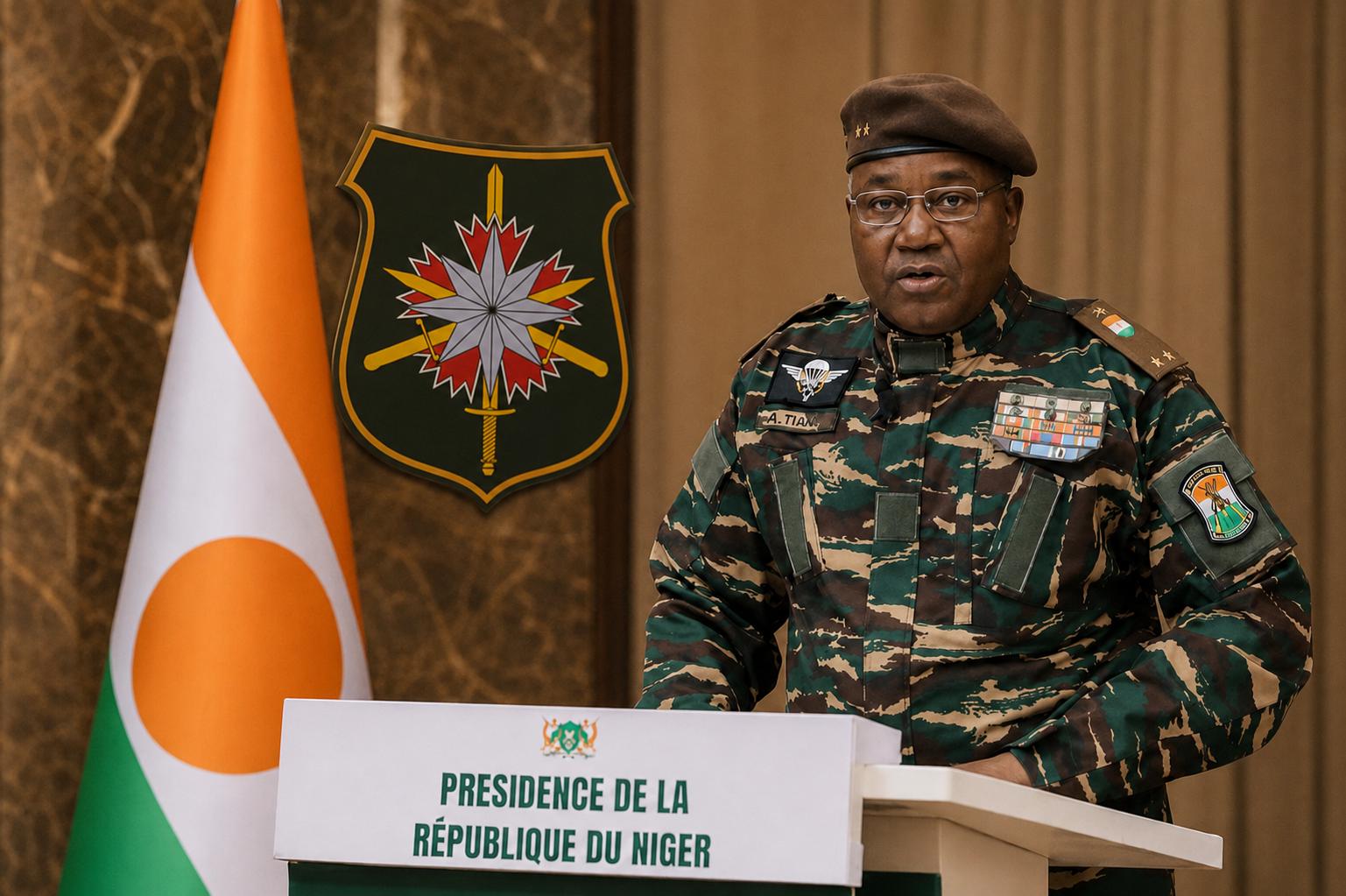
The uprising that erupted on August 29, 2026, at Niamey’s Air Base 101 exposed deeper fractures within Niger’s security apparatus than any external jihadist threat ever could. Unlike conventional battlefield challenges, this internal rebellion stemmed from the very heart of the elite forces tasked with combating terrorism along the treacherous three-border zone. The mutiny laid bare simmering grievances—mounting battlefield losses, command structure disputes, and operational fatigue—eroding the junta’s inner circle of defense from within.
From tactical support to regime protection: The evolving role of Africa Corps
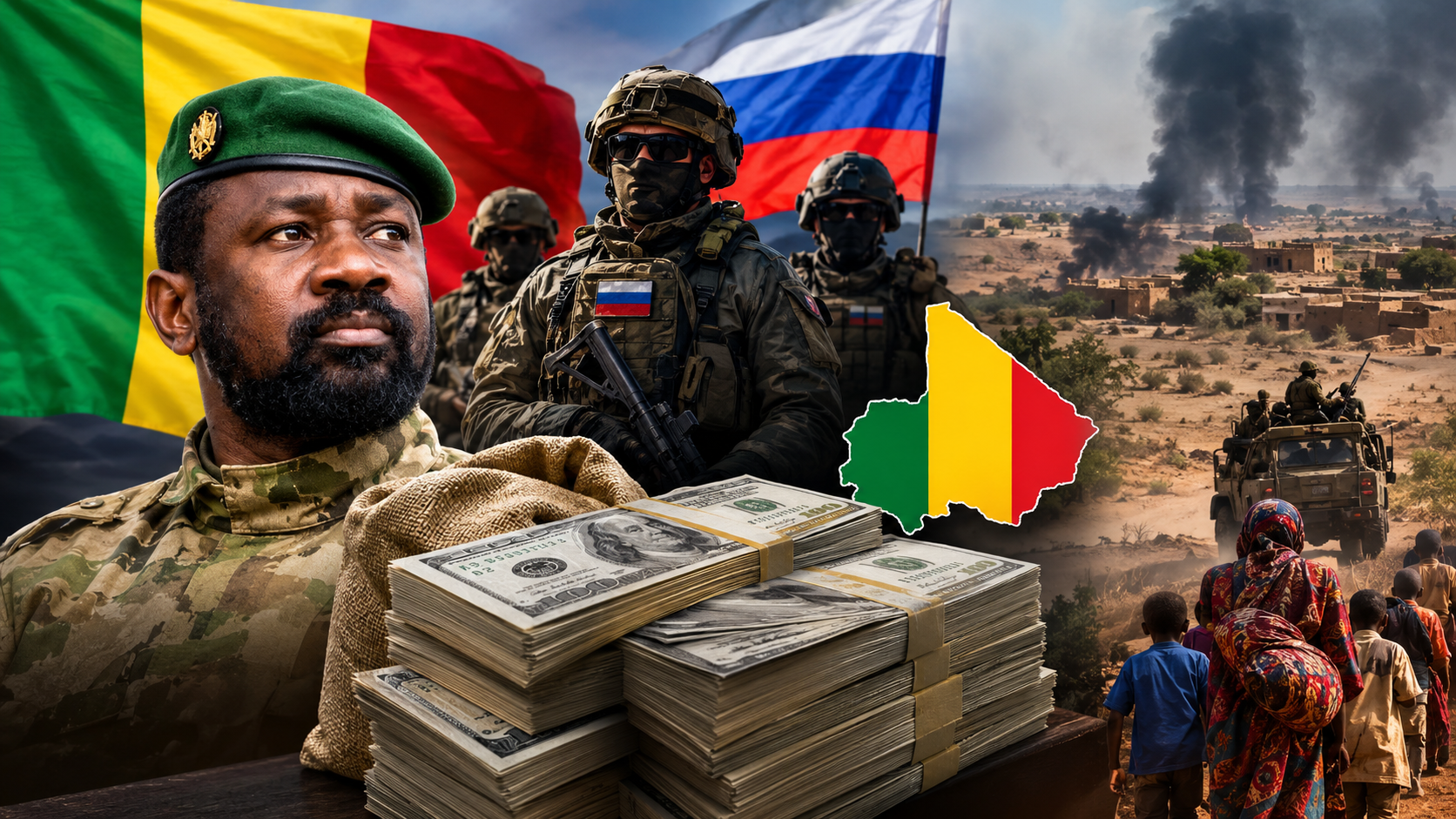
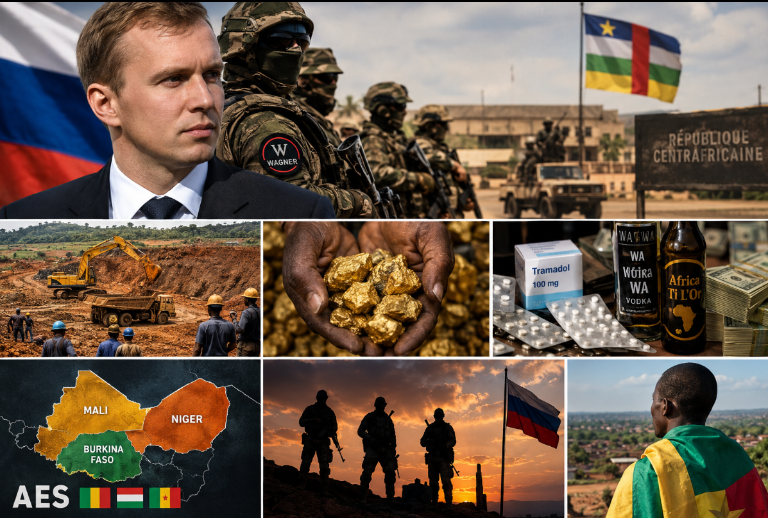
The swift intervention by Africa Corps—formerly known as Wagner Group—forces to quell the mutiny marked a pivotal shift in Niger’s security strategy. No longer confined to counterterrorism training or logistical support, these foreign fighters have become the last line of defense for Niamey’s leadership against its own military. This dependency reshapes the power dynamic: the foreign contingent now forms the backbone of palace security, pushing the broader territorial protection of Niger’s citizens to the back burner.
Security paradox: Fortified power centers vs neglected communities
A stark contrast emerges between the hyper-militarized heart of the capital and the vulnerabilities facing ordinary Nigeriens:
- An over-militarized core: While armored units and Africa Corps operatives mobilize in minutes to seal off the airport, secure the presidential palace, or suppress internal military threats, the primary focus remains on regime survival.
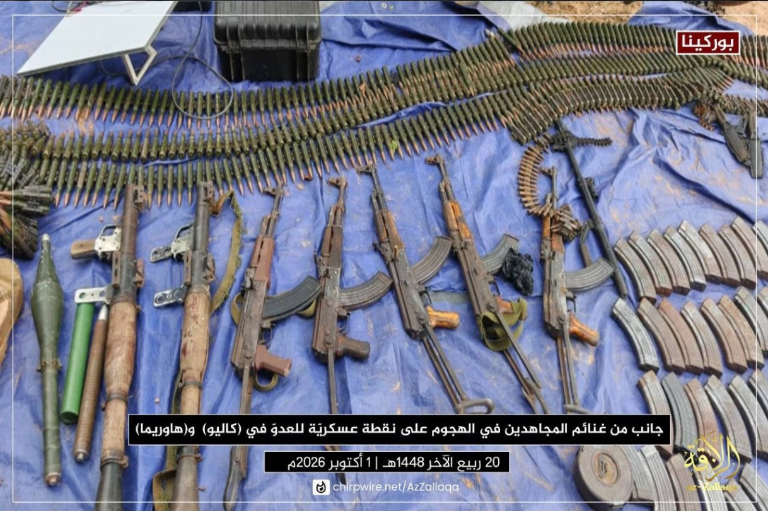
- Exposed outskirts: The September 2 assault on Koubia, just beyond Niamey’s edges, revealed how porous the capital’s security perimeter truly is. Repeated attacks on checkpoints—including Koubia, Karey Gorou, and the airport—highlight that foreign presence has failed to stem infiltrations or curb armed group boldness.
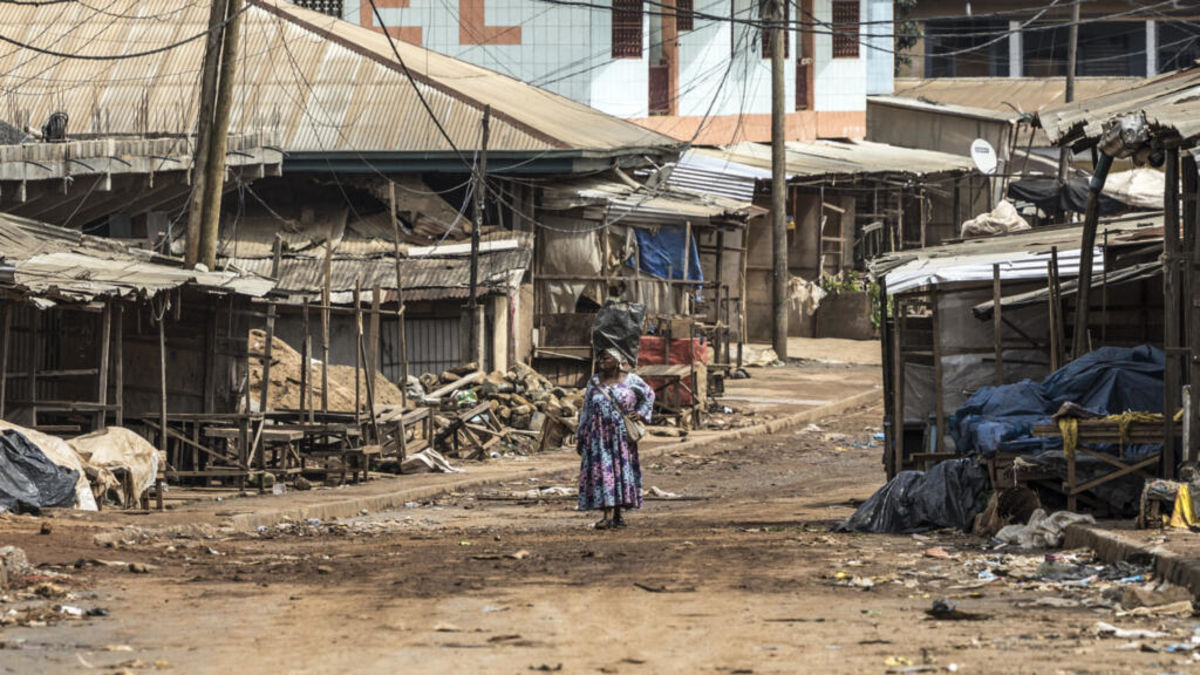
- Citizen abandonment: Despite official narratives celebrating restored sovereignty and newfound alliances, civilians near the capital face relentless insecurity, road blockades, and deteriorating conditions in Tillabéri.
The deployment of Africa Corps, in essence, serves one overriding purpose: shielding the regime. This paradox deepens Niger’s security dilemma—each foreign-backed fortification against coups or mutinies further weakens the real protective shield for its people.