Patrice Talon: the unique political figure reshaping Benin
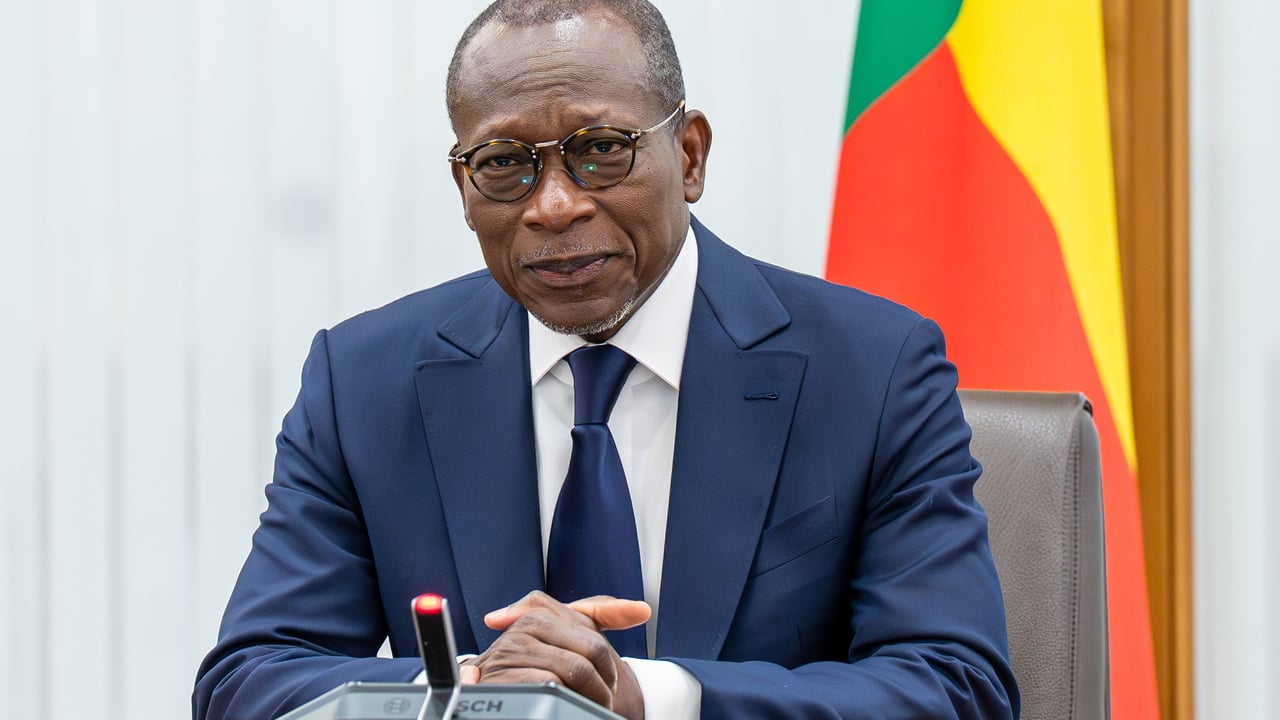

On December 7, 2025, a dramatic turn of events unfolded in Cotonou, Benin. Early that morning, armed mutineers stormed national television studios, declaring they had overthrown President Patrice Talon. The announcement sent shockwaves through the nation, but the situation took an unexpected turn by day’s end. The Beninese military, with decisive action, thwarted the coup attempt, restoring constitutional order and reinforcing the president’s authority.
Just six days later, on December 13, thousands of Beninese, predominantly young citizens, gathered in Cotonou to voice their opposition to the failed putsch. The demonstration reflected widespread support for President Talon’s leadership and underscored the public’s rejection of military interference in governance.
Patrice Talon: a political outlier in West Africa
Since assuming office in 2016, President Patrice Talon has carved out a distinctive political path in West Africa. His leadership style, characterized by pragmatism and a focus on economic reform, sets him apart from his peers. While many regional leaders grapple with entrenched corruption and political instability, Talon has prioritized transparency and institutional strengthening. His policies have targeted Benin’s digital transformation and agricultural modernization, aiming to reduce the country’s reliance on imports and foster sustainable growth.
Talon’s approach to governance is rooted in a commitment to accountability. He has implemented sweeping reforms to combat corruption, including the establishment of specialized anti-graft agencies and stricter financial oversight. These measures have earned him both praise and criticism, but his unwavering stance has solidified his reputation as a leader willing to challenge the status quo.
economic reforms driving Benin’s growth
Under Talon’s administration, Benin has witnessed notable economic progress. Key initiatives include:
- Digital transformation: Expansion of internet access and e-governance platforms to enhance transparency and efficiency in public services.
- Agricultural innovation: Investment in modern farming techniques and infrastructure to boost productivity and reduce food imports.
- Infrastructure development: Construction of new roads, ports, and energy projects to improve connectivity and attract foreign investment.
- Anti-corruption measures: Strengthening of legal frameworks and enforcement to deter financial malpractice and embezzlement.
The results of these reforms are beginning to materialize. Benin has seen a steady increase in GDP growth, with sectors such as technology and agriculture contributing significantly to the economy. Talon’s vision aligns with the aspirations of a younger, more dynamic population eager for change and opportunity.
public perception and political challenges
Despite his accomplishments, Patrice Talon faces challenges. Critics argue that his reforms have sometimes been implemented with little consultation, leading to tensions with civil society and opposition groups. Additionally, the failed coup attempt has raised questions about security vulnerabilities and the stability of his government. However, the overwhelming public support demonstrated in the December 13 rally suggests that many Beninese remain confident in his leadership.
Talon’s ability to navigate these challenges will be crucial in determining the long-term impact of his presidency. His focus on economic development and anti-corruption resonates with a population tired of political instability and economic stagnation. If he continues on this path, he could redefine governance in Benin and serve as a model for other nations in the region.
what’s next for Patrice Talon and Benin?
The coming years will be pivotal for President Talon and Benin. The economic reforms he has championed are starting to yield results, but their sustainability depends on continued political stability and public trust. Upcoming elections and potential constitutional changes will test his leadership and the resilience of Benin’s democratic institutions.
For a nation that has often been overshadowed by its larger neighbors, Patrice Talon’s presidency represents an opportunity for Benin to emerge as a leader in West African governance. His journey—from a political outsider to a transformative leader—highlights the potential for change when vision meets determination. As Benin continues to evolve, the world will be watching to see if Talon’s reforms can deliver lasting prosperity and stability.