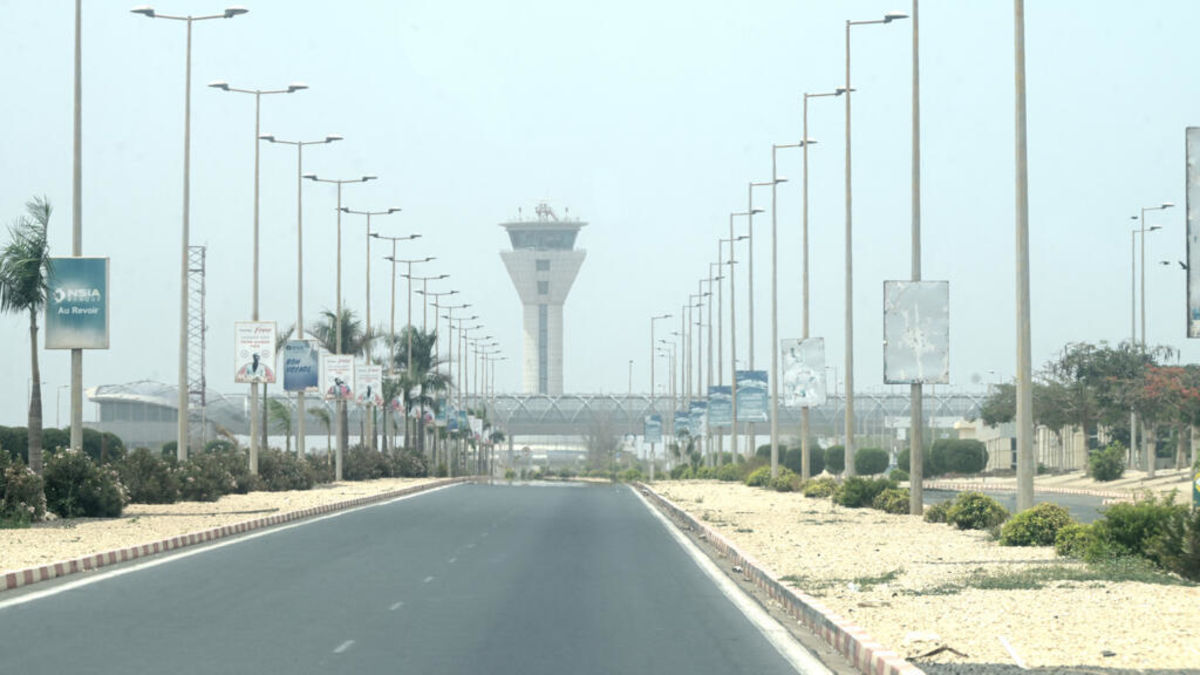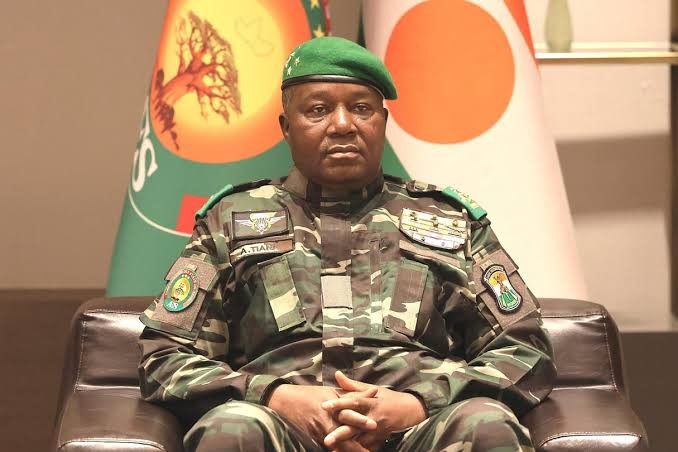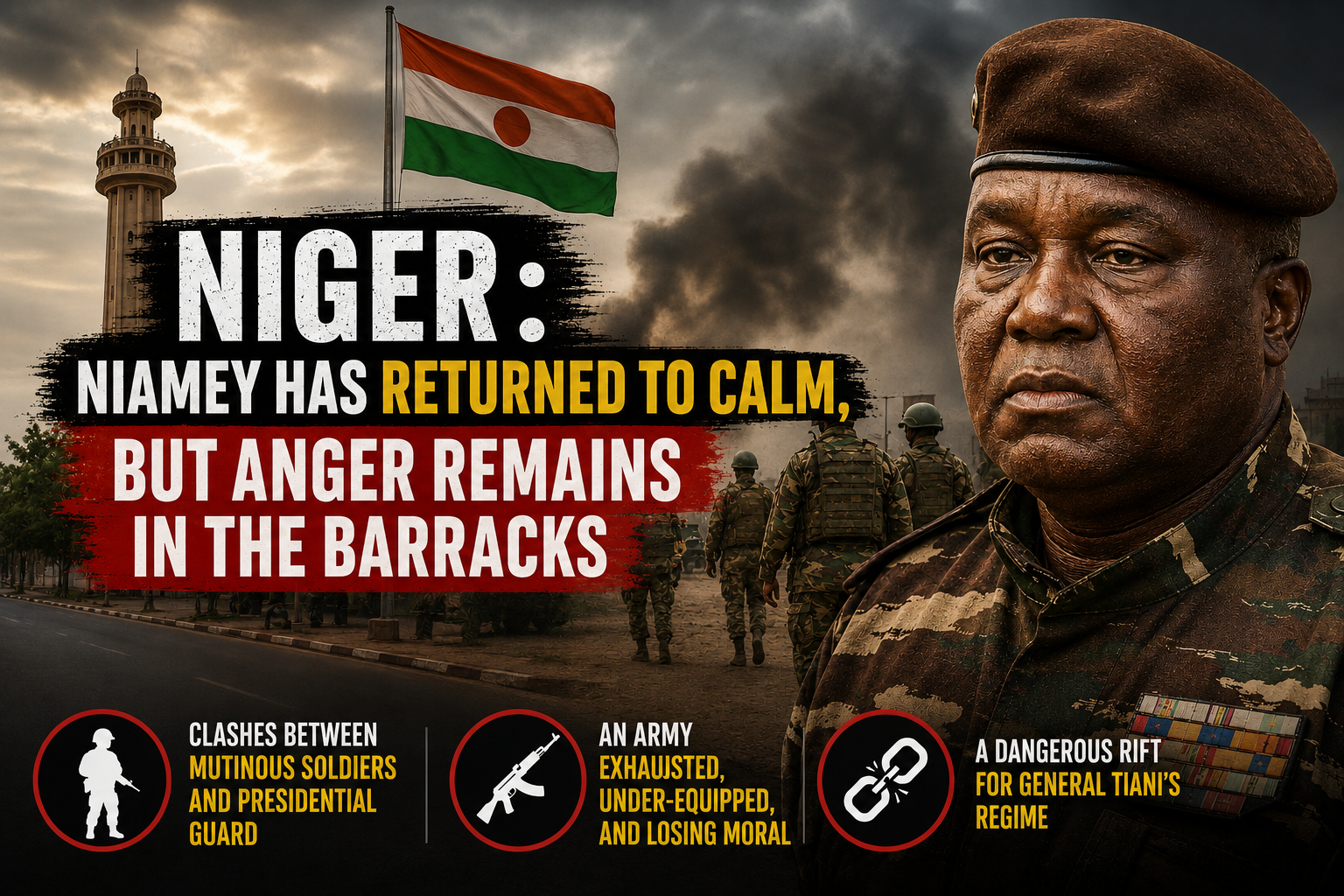
Tranquility has returned to Niamey this past Monday, August 31, following a weekend of unprecedented unrest in Niger’s capital. While streets once again fell silent, an underlying tension persists among the military ranks after intense clashes erupted between mutinous soldiers and presidential guard units, reportedly supported by Russian-affiliated Africa Corps forces.
Underlying causes behind the barracks unrest
The junta’s official narrative dismisses the episode as a mere “mood swing” among troops, yet the absence of a detailed official assessment only deepens the mystery surrounding the incident. A deeper examination reveals that what transpired in Niamey extends far beyond a localized military dispute. It reflects systemic challenges within Niger’s armed forces, particularly regarding troop morale, operational conditions, and leadership credibility.
Years of accumulated frustration
The discontent brewing among soldiers did not emerge overnight. Many frontline units have endured prolonged exposure to jihadist threats, facing mounting casualties, logistical shortfalls, and inadequate support. When troops believe their sacrifices are unrecognized and their survival is not assured, resentment naturally festers. A soldier may accept combat risks, but enduring them with insufficient resources erodes trust in leadership.
Sovereignty vs. battlefield reality
The junta’s emphasis on military sovereignty and partnership diversification particularly with Russia has yet to translate into tangible improvements for those on the front lines. Despite strategic declarations, soldiers continue to grapple with outdated weaponry, delayed reinforcements, and logistical breakdowns. For those enduring daily attacks, the priority remains survival, not political discourse.
The human cost of prolonged conflict
Combat fatigue is another critical factor. Prolonged asymmetric warfare exacts a psychological toll, and repeated losses without decisive progress further demoralize troops. When soldiers perceive their sacrifices as futile, disillusionment spreads, sometimes manifesting as insubordination. Such fractures within the military hierarchy signal deeper institutional weaknesses.
Leadership silence and unanswered questions
The leadership’s refusal to address the crisis transparently only fuels speculation. By downplaying the event as an isolated “mood swing,” the regime risks obscuring the true scale of dissatisfaction. A power that suppresses information about internal military strife may inadvertently amplify doubts about its own stability.
Foreign allies and Niger’s sovereignty paradox
The involvement of Russian-aligned forces during the clashes introduces another layer of complexity. While the junta framed foreign partnerships as a path to greater autonomy, their deployment in a domestic military conflict raises troubling questions. External support can provide temporary solutions, but it cannot resolve structural military deficiencies such as cohesion, morale, or leadership accountability.
A warning for the junta
This episode serves as a stark reminder: defeating jihadist groups depends not only on political declarations or international alliances but on the welfare of those who fight. If the grievances festering within the barracks persist, the regime may soon confront a far graver challenge than a single mutiny one rooted in the erosion of trust between soldiers and their command.
Niamey’s streets may have calmed, but within the military ranks, discontent continues to simmer. For the leadership, the greatest threat may not lie on the front lines of jihadist insurgencies, but from the fractures forming within the very institution entrusted with protecting the state.