Niger under military rule: three years of broken promises
Three years after the military takeover in July 2023, Niger remains trapped in a deepening crisis of governance, economic stagnation, and heightened insecurity. What was initially framed as a historic opportunity to restore national sovereignty has instead plunged the country into a spiral of isolation, hardship, and unmet expectations for its citizens.
An economy in freefall and rising hardship
The consequences of the political rupture have been swift and severe. Trade disruptions with neighboring countries, coupled with international sanctions and plummeting foreign investment, have crippled key sectors. Businesses across the country have scaled back operations or shut down entirely, leaving countless families without income. Meanwhile, rising prices for essentials—food, fuel, and household goods—have eroded purchasing power, making daily survival a growing challenge for ordinary Nigeriens.
Local governments, traders, and farmers face mounting financial constraints, with limited access to credit and an atmosphere of deep uncertainty. Investment in agriculture, once a pillar of the economy, has dwindled, threatening food security and rural livelihoods. The fragile economic climate shows no signs of improvement, casting a long shadow over the nation’s future.
Shrinking civic freedoms and a climate of fear
Beyond economic strain, Niger’s civil society is operating under unprecedented pressure. Human rights groups report a tightening grip on public dissent, with critics of the regime facing legal repercussions or arbitrary detention. Independent media outlets operate under constant threat, as journalists describe a climate of intimidation that chills free expression.
Public gatherings are heavily restricted, and political opposition is effectively sidelined. In this stifling environment, many citizens choose silence to avoid reprisal, while others flee the country in search of safety or opportunity. The erosion of civic space has not only silenced dissent but has also stifled innovation and public debate essential for national progress.
Security failures and unanswered threats
The junta’s rise to power was justified by promises to restore security and dismantle terrorist threats. Yet three years later, attacks by armed groups continue to ravage border regions, displacing communities and disrupting daily life. Villages in conflict zones face persistent violence, forcing families to abandon their homes and livelihoods. The inability to protect citizens has fueled widespread frustration, with growing skepticism about the regime’s security strategy.
Healthcare, education, and basic services remain out of reach for many in affected areas, compounding the humanitarian toll. The military’s failure to curb insecurity has not only undermined public trust but has also raised doubts about the viability of its governance model.
A leadership out of touch with reality
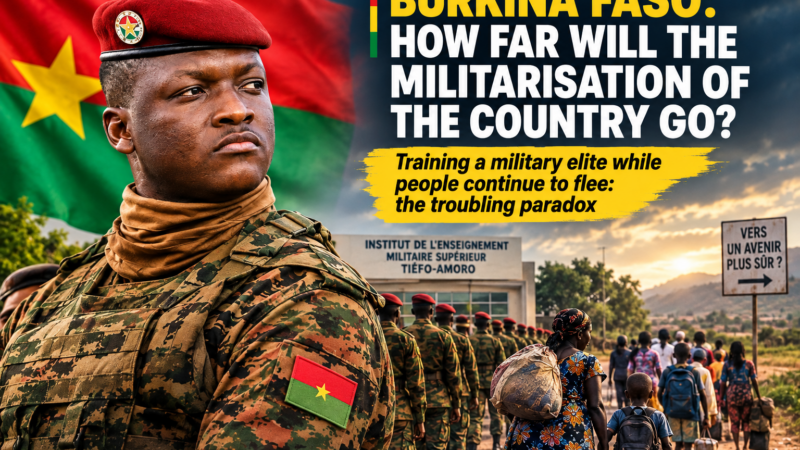
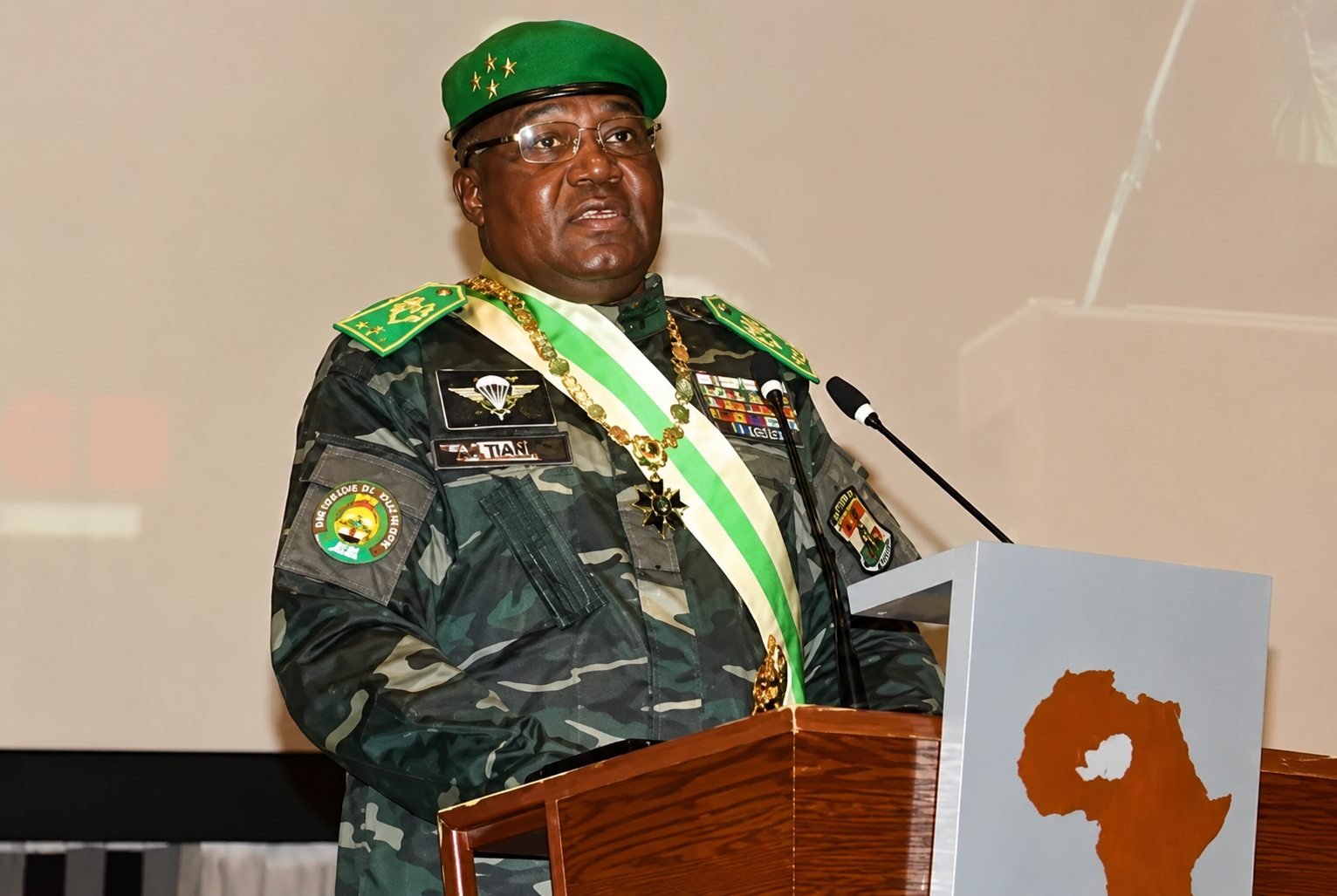
The recent national address by General Abdourahamane Tiani underscored the widening gap between official rhetoric and ground realities. Rather than unveiling concrete steps to address economic stagnation or security failures, the speech focused on external threats and blaming foreign actors. For many observers, this approach reveals a leadership struggling to deliver on its core promises.
As frustration mounts, public discourse is shifting from assigning blame to demanding tangible solutions. The population’s patience is wearing thin, with calls for accountability and immediate action growing louder.
Political stagnation and a closed future
The prolonged military rule has also stifled political renewal. Without a clear roadmap for a return to civilian governance, Niger’s institutional future remains uncertain. Political parties operate under severe restrictions, and public debate is confined to narrow channels. The concentration of power in military hands has deepened concerns about the erosion of democratic norms and citizen participation.
Three years into this transition, the gap between the junta’s promises and the lived experience of Nigeriens has never been wider. The economy remains fragile, livelihoods are under threat, freedoms are curtailed, and insecurity persists. For many, the pressing question is no longer about the regime’s legitimacy but about tangible steps to restore stability, security, and hope for a better tomorrow.