Niger: drone strikes mar funeral in Tillabéri region
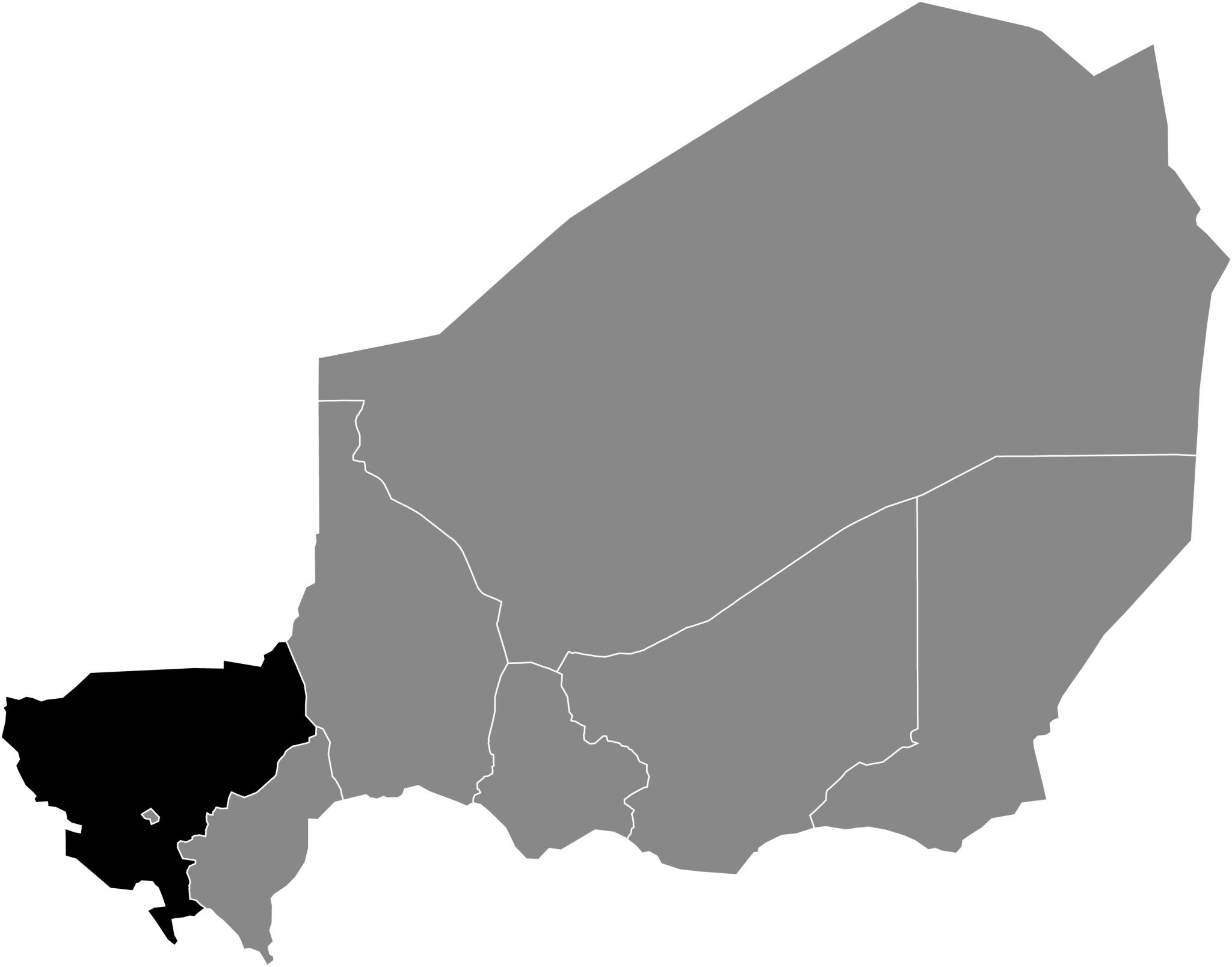
What was meant to be a moment of solemnity and community support turned into a nightmare on July 24 in the village of Chinagodrar, located in northern Tillabéri. Two military drone strikes shattered a funeral gathering, leaving at least seven people dead and multiple injured, according to local accounts.
The attack plunged an already beleaguered community into further despair. Survivors describe frantic scenes—families scattered in panic, and rescuers themselves becoming victims as they rushed to aid the wounded.
The ‘Three Borders’ region under relentless military pressure
Tillabéri has long been one of Niger’s most volatile areas, sharing borders with Mali and Burkina Faso. Known as the ‘Three Borders’ zone, it has become a hotspot for recurring clashes between security forces and jihadist armed groups.
In response to the persistent threat, Nigerien authorities have escalated military operations, increasingly relying on surveillance and combat drones. These aerial assets enable rapid strikes against perceived hostile targets. However, their deployment in areas with dense civilian presence raises concerns about intelligence accuracy and target validation procedures.
In villages where gatherings—whether markets, religious ceremonies, or funerals—draw large crowds, the margin for error remains dangerously narrow when information is incomplete or unverified.
Consecutive strikes deepen the tragedy
Witnesses recount that the first explosion struck the funeral crowd, triggering immediate chaos. As villagers scrambled to evacuate the wounded, a second strike hit moments later, worsening the human toll. Several injured individuals were caught in the second blast, and nearby homes sustained damage. Survivors describe a nightmarish scenario of screams, fleeing families, and the struggle to organize emergency response in an already isolated area.
A heavy human toll and shattered families
The provisional death toll stands at seven, though locals warn the number could rise as some injured remain in critical condition. Among the victims were civilians who had simply come to pay their respects, deepening the community’s sense of shock and disbelief.
Beyond the lives lost, the incident has left families grieving and a population traumatized. In a region already haunted by jihadist attacks, this tragedy amplifies fears of being caught in the crossfire between armed groups and military operations meant to counter them.
Questions over engagement protocols
The attack has reignited debates about the rules governing drone strikes in counterinsurgency operations. Experts emphasize that international humanitarian law requires continuous distinction between military objectives and civilians, alongside rigorous precautions before any strike.
Human rights advocates stress that aerial operations in densely populated zones demand flawless intelligence to minimize civilian casualties. Yet in Chinagodrar, the absence of clear explanations has deepened mistrust.
Authorities have yet to release a detailed account of the operation or confirm how targets were identified. This lack of transparency fuels local skepticism about the circumstances of the strikes and the steps being taken to address civilian harm.
A fracture in trust
The human cost of the incident could have lasting consequences for relations between communities and security forces. In regions plagued by chronic insecurity, public trust is a cornerstone of efforts to combat armed groups—particularly in gathering intelligence and fostering cooperation with authorities.
Each civilian casualty risks eroding that trust, complicating future military operations, and reinforcing feelings of abandonment among rural populations already battered by years of conflict.