Fresh evidence reveals army-led atrocities in Mali’s conflict zones
BAMAKO — Government troops and allied militias have carried out multiple deadly raids in the Ségou region of central Mali, leaving at least 31 civilians dead and homes burned during early October operations, according to field investigations.
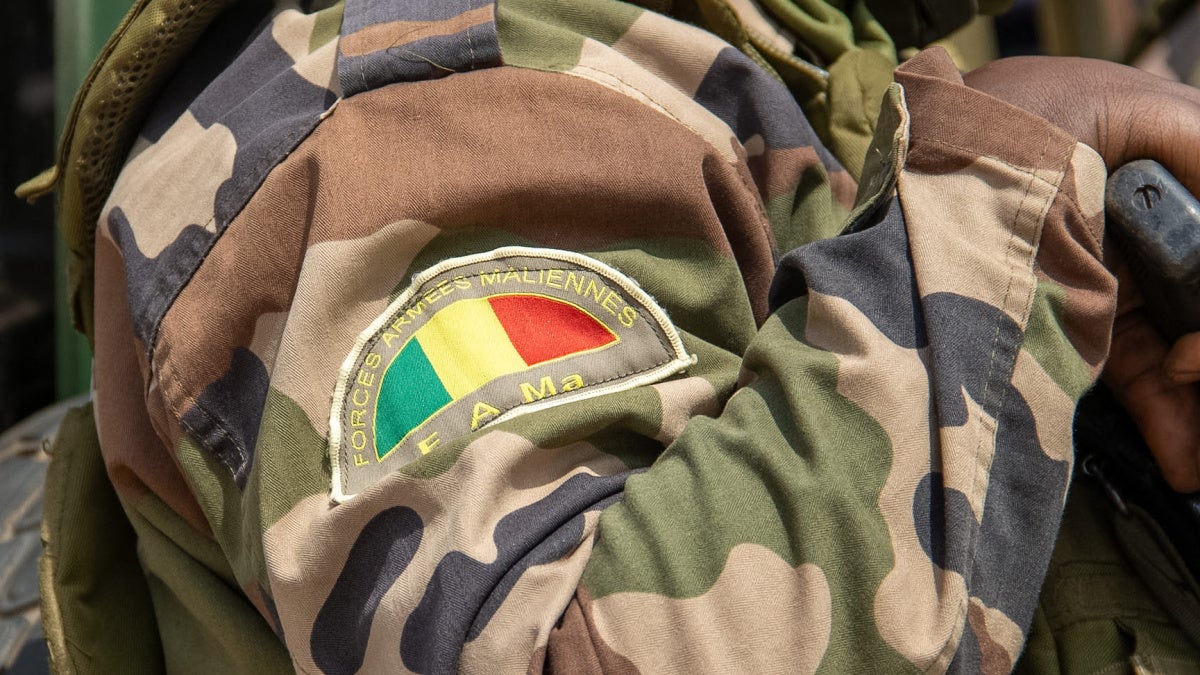
On October 2, soldiers in camouflage uniforms and traditional hunters known as dozos, predominantly from the Bambara ethnic group, descended on Kamona village. Witnesses reported that troops and militiamen executed at least 21 men and torched over ten homes after accusing residents of aiding Islamist insurgents. The village lies in an area controlled by the Group for the Support of Islam and Muslims (JNIM), an al-Qaeda-linked coalition.
« The October killings in Ségou are the latest in a long chain of abuses linked to Malian forces and their allied militias, » said a senior Sahel researcher who interviewed survivors and community leaders. « Authorities must launch prompt, transparent investigations and hold perpetrators accountable through fair trials. »
Operation without confrontation
Investigations show no direct clashes occurred during the raid. Residents told investigators that JNIM fighters had already fled the village before the military arrived, leaving civilians exposed. Survivors described how soldiers and dozos systematically rounded up and executed men, including elderly residents and a 9-year-old child found hiding in an abandoned home.
« Those who couldn’t escape were gathered and shot, » one survivor recounted. « Bodies lay scattered with bullet casings nearby. One man’s head was completely crushed. »
Villagers later discovered 17 bodies under a tree and four more north of Kamona. All were men aged 20 to 65, and many showed signs of torture. Locals also reported that soldiers burned homes belonging to Fulani families, a group often targeted by Malian forces amid accusations of supporting insurgents.
By the end of the day, residents estimated that up to 15 additional men may have been killed in surrounding bushland, though fear prevented them from confirming the exact toll.
Second attack confirms pattern of abuse
Thirteen days later, on October 13, soldiers and dozos launched a second assault on Balle village, roughly 55 kilometers from Kamona. Witnesses said troops in pickup trucks and militants on motorcycles arrived around 1 p.m., triggering panic among residents. « We knew what was coming, » one man recalled. « Some fled immediately, but others were beaten or kicked during door-to-door searches. Gunfire followed. »
The attack left ten civilians dead, including a 55-year-old woman. Survivors described finding the bodies in a central clearing, some with broken limbs, all riddled with bullets. Militants also stole over 100 cattle, depriving families of their livelihoods.
The slain woman’s daughter, aged 21, described how her mother confronted soldiers, accusing them of brutality before being dragged away and shot. « She shouted at them, » the daughter said. « Then they took her to where the men were held and killed her. »
Military denies targeting civilians
Mali’s army chief claimed the October 13 operation was a « reconnaissance mission » that « neutralized about twenty terrorists » and seized weapons. However, residents firmly rejected this account, stating Balle had been under JNIM control for years, where the group enforced its own justice system and collected Islamic taxes. « We’ve paid zakat to them for years, » one villager explained. « If there’s a dispute, the jihadists settle it. There are no soldiers, gendarmes, or police here. The army treats us all as enemies. »
Cycle of violence deepens Sahel crisis
Since 2012, Mali has battled Islamist insurgencies, forcing over 400,000 people from their homes and claiming thousands of civilian lives. Both government forces and armed groups have been implicated in grave violations. Recent escalations, including a blockade on Bamako by JNIM in September, have cut fuel supplies and shuttered schools nationwide, exacerbating the humanitarian fallout.
International humanitarian law prohibits deliberate attacks on civilians and cruel treatment of detainees. Those responsible for war crimes, including commanders, may face prosecution. Although Mali withdrew from the International Criminal Court in 2025, it remains bound by the Rome Statute until 2026, when the withdrawal takes full effect.
A call for accountability
Human rights advocates urge regional bodies like the African Union to prioritize Mali in peace and security agendas. « The AU Peace and Security Council must act swiftly, » a regional analyst emphasized. « Regular briefings, diplomatic pressure, and coordinated regional efforts are essential to end impunity and protect civilians across the Sahel. »