Intriguing note on Wagner defector signals shifting Sahel dynamics
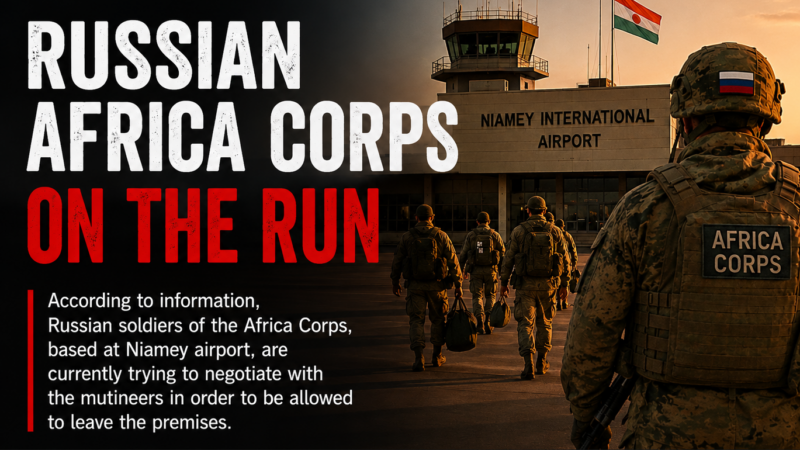
In a move that underscores evolving geopolitical pressures, a classified note from France’s Directorate General of National Police (DGPN) has cast a spotlight on a former Wagner Group operative now residing in France. The document, which has quietly circulated among European security circles, highlights concerns over the defector’s potential intelligence value and the broader implications of foreign mercenary networks operating in Africa.
Brussels’ crackdown on Russia’s shadow fleet fuels diplomatic tensions
The European Union’s intensified scrutiny of Russia’s so-called “ghost fleet”—a network of vessels used to circumvent sanctions on Russian oil—has triggered a ripple effect across African capitals. Brussels has stepped up diplomatic pressure on states accused of enabling these covert maritime operations, with Cameroon emerging as the first to act by tightening regulations on vessel registrations under its flag.
National intelligence feeds into EU-wide sanctions strategy
While the EU bears the brunt of the political fallout from these enforcement actions, a select group of member states has taken a proactive role in feeding critical intelligence back to Brussels. These behind-the-scenes efforts reveal a strategic alliance among European nations, each contributing insights gleaned from their own surveillance and investigative work to strengthen the bloc’s sanctions regime.
The convergence of these initiatives—from maritime enforcement to countering foreign mercenary influence—paints a picture of a continent grappling with the unintended consequences of global power plays. As African states navigate these pressures, the continent’s role in shaping the response to Russian activities in Africa remains a pivotal, yet often overlooked, factor.