The strategic subtext of Chad’s un message
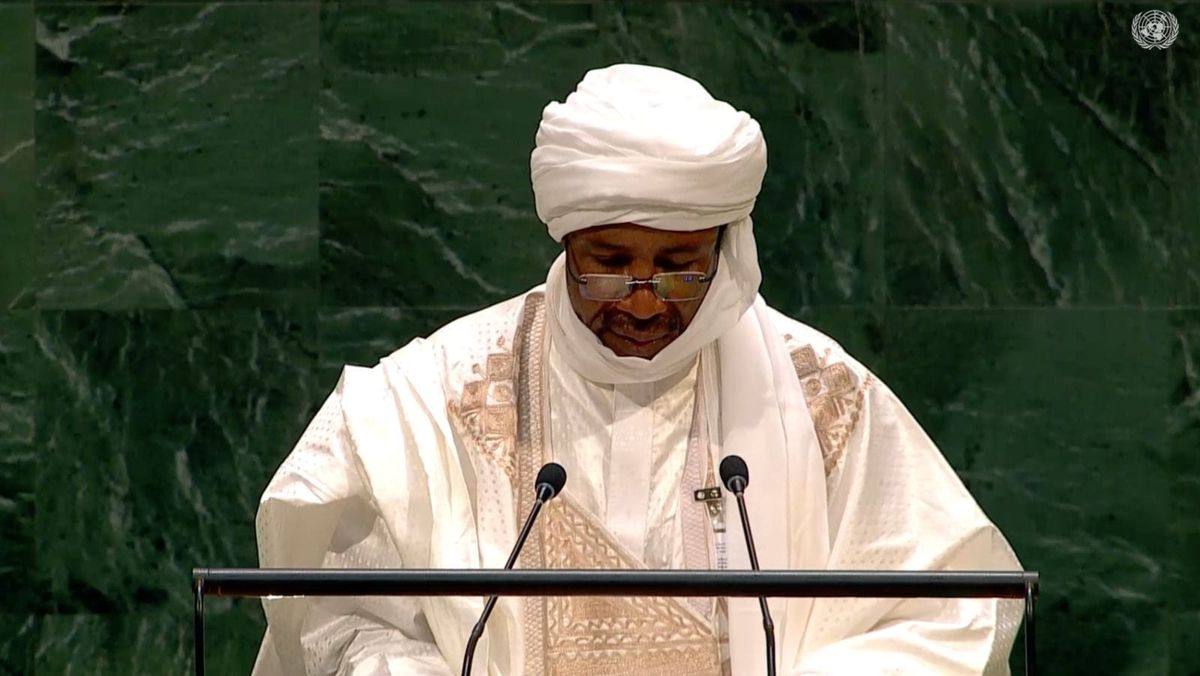
When Chad’s health minister, Dr. Abdelmadjid Abdelrahim Mahamat, stepped up to the podium at the 81st un General Assembly, he delivered more than a routine diplomatic address. Speaking on behalf of President Mahamat Idriss Déby Itno, he outlined a vision that went beyond Chad’s immediate concerns, touching on the deeper currents shaping regional stability. The speech, while measured in tone, carried an unmistakable message: Chad is prepared to defend its sovereignty, and it expects the international community to take notice.
The lake Chad basin and the climate finance gap
At the heart of Chad’s appeal was the precarious state of the Lake Chad basin, a region where environmental degradation and insecurity are deeply intertwined. Dr. Mahamat urged developed nations to fulfill their financial commitments on climate adaptation and resilience, framing these pledges not as charity but as essential investments in a shared future. The message was clear: without adequate support, the basin’s fragility will continue to fuel instability that knows no borders.
Chad’s peacekeeping contributions under scrutiny
Chad used the global stage to remind the world of its concrete contributions to international peace and security. The country highlighted its deployment of 1,500 troops to Haiti as part of a Security Council-authorized mission, a move that underscores N’Djamena’s willingness to shoulder burdens far from its own borders. This point served a dual purpose: it showcased Chad’s reliability as a partner while implicitly questioning whether other nations are pulling their weight.
The humanitarian strain and the Sudan conflict
Beyond security, Chad painted a stark picture of the humanitarian pressures bearing down on its territory. The country is currently hosting over two million displaced persons, including more than a million Sudanese refugees who have fled the conflict in their homeland since April 2023. Despite this immense burden, Chad reaffirmed its strict neutrality in the Sudanese conflict and its support for peace initiatives. Yet the government did not shy away from raising an alarm: it condemned in the strongest terms recent airstrikes in the Ennedi-East province, calling them an unacceptable violation of its territorial integrity and reserving the right to respond if such acts recur.
Global flashpoints and the call for multilateral reform
Chad also addressed broader international issues, rejecting acts of aggression against sovereign states from Iran to the Gulf, and from Gaza to Cuba. The delegation reiterated its support for a two-state solution in the Middle East and called for a thorough overhaul of multilateral institutions. This positions Chad not merely as a regional player but as a voice advocating for a more equitable global order—one where sovereignty and justice are not selective principles.
What lies beneath the diplomatic language
The subtext of Chad’s un intervention reveals a country navigating a complex web of pressures. By highlighting its peacekeeping sacrifices and humanitarian burdens, Chad is building a case for greater international support while also drawing a red line against external violations. The mention of the Ennedi-East airstrikes, though brief, signals a willingness to escalate if diplomacy fails. This balancing act—between engagement and deterrence—reflects the broader challenges facing Sahel nations as they seek to assert sovereignty amid overlapping crises.