Inside Senegal’s BRVM bond listing: the strategy behind the 305 billion FCFA move
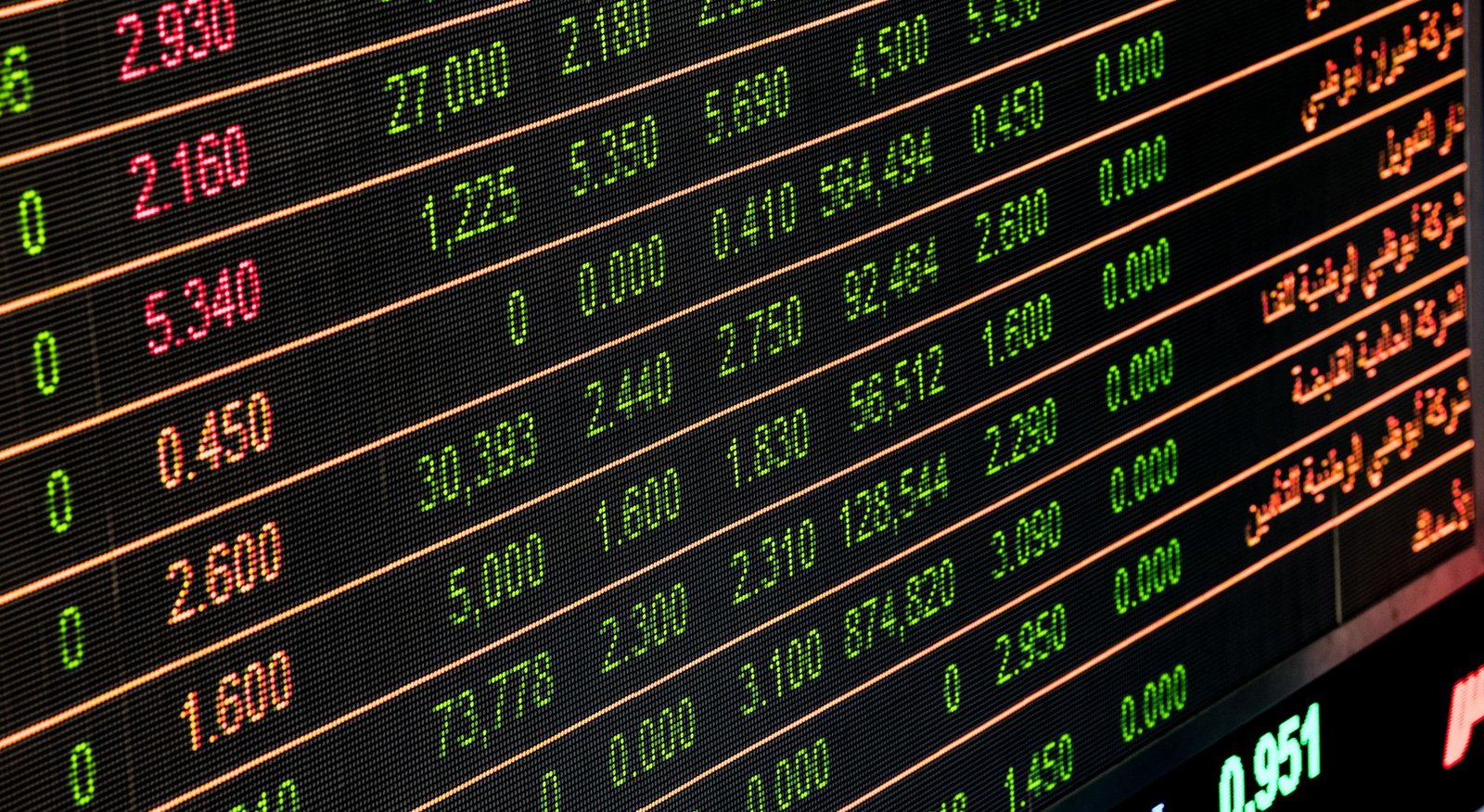
Senegal has secured a landmark position on West Africa’s regional exchange. The country’s public treasury successfully listed four bond lines on the Bourse Régionale des Valeurs Mobilières (BRVM), representing a cumulative 305 billion FCFA. This marks the first time Senegalese sovereign debt has been admitted to the bond compartment of the Abidjan-based bourse, signaling a deliberate shift in how Dakar manages its public financing.
The strategic logic behind listing four bond lines at once
Bringing four separate bond lines to market simultaneously was far from a routine move. It gives Senegal’s Treasury unprecedented visibility among institutional investors across the West African Economic and Monetary Union (UEMOA), while offering bondholders a genuine exit route through the secondary market. Until now, a large share of Dakar’s sovereign borrowing was raised through auctions on the public securities market run by the UMOA-Titres agency, with no subsequent exchange listing. The transition to the BRVM fundamentally alters the liquidity equation.
The 305 billion FCFA total—roughly 465 million euros—demonstrates Senegal’s capacity to mobilize substantial resources even under fiscal strain. Since the 2024 audit of public finances, Dakar has had to contend with upward revisions to its debt ratios, which weighed on how rating agencies perceived the country. A smooth listing therefore carries weight as a signal to regional markets.
How the BRVM strengthens its position as a regional hub
For the regional exchange, the simultaneous arrival of four Senegalese sovereign securities deepens a bond segment historically dominated by Ivorian issuers. The Abidjan bourse has spent recent years rolling out initiatives to attract more public and corporate issuance from the eight UEMOA member states. Bonds remain one of the primary engines of its activity, with market capitalization exceeding several thousand billion FCFA.
Listing also provides a standardized framework for investors—particularly insurance companies, social security funds, and regional banks operating under strict prudential rules. These players favor listed sovereign securities that are eligible for refinancing at the Central Bank of West African States (BCEAO) and straightforward to value on their balance sheets. In practical terms, Senegal’s approach could nudge other UEMOA treasuries to structure more of their bond issuance around the BRVM.
A confidence signal in a scrutinized fiscal environment
This successful debut comes as President Bassirou Diomaye Faye’s government works to rebuild lender confidence following disclosures about the true scale of inherited debt. Talks with the International Monetary Fund (IMF) for a new support program remain contingent on clarifying the budget trajectory. Against that backdrop, every completed financial operation carries political significance beyond its technical dimensions.
Yet greater reliance on the regional market comes at a price. Interest rates demanded by UEMOA investors on Senegalese paper have tightened in recent months, reflecting a perceived risk premium. Over the medium term, a BRVM listing can help compress that premium by widening the investor base and making securities more liquid. The pace of issuance, however, must remain sustainable relative to the country’s tax revenues.
The operation also illustrates the growing appetite among West African treasuries for more sophisticated instruments capable of continuous trading. Dakar now joins Abidjan, Cotonou, and Lomé among sovereign issuers whose debt trades on the regional exchange. This gradual pooling of bond financing represents one of the pillars of the financial integration that UEMOA has pursued for two decades.
Further context
Cameroon: Yaoundé favors private financing in London over eurobonds · General Bank of Cameroon loses 111 billion FCFA in deposits in August · AfDB transfers 293 billion FCFA of Cameroonian risk to IDB and ADB